Four Naga civilians were shot dead on National Highway 202 on Friday afternoon, a few hundred metres from a Border Security Force outpost, at a spot where Naga groups say it was the fourth attack. By Saturday their families had refused to claim the bodies, and the Tangkhul Naga bodies had given the federal and state governments until Monday, November 16, to hand the case to the National Investigation Agency and remove the gunmen they blame from Naga areas. Less than two weeks earlier, the bodies of two young Kuki men abducted on another highway were found in a neighbouring district, and a Kuki committee has refused to accept them until its own demands are met. Manipur’s second conflict, between Naga and Kuki communities in the hills, now runs on a script both sides know by heart: an ambush on a road, an ultimatum, a shutdown, and a body that stays unburied. Monday will show whether anyone in Imphal or New Delhi can change it.
Manipur’s conflict is usually told as a story of two communities: the Meitei majority of the Imphal valley and the Kuki-Zo people of the hills around it. Fighting between them since May 2023 has killed at least 306 people and left 49 missing, and has split the state into zones divided by buffer areas that federal forces patrol. That war has not ended. On October 19, gunmen fired on a group of Meitei men collecting firewood in the Sunurok hills, killing three, and angry residents carried two of the bodies to the gate of the chief minister’s residence.
Since February, a second front has opened inside the hills themselves, between Tangkhul Naga and Kuki communities in and around Ukhrul district. It has killed more than 50 people, most of them unarmed civilians, according to local tallies. In a single month, from August 27 to September 27, at least 23 civilians were killed, 12 of them Naga and 11 of them Kuki. Villages have been burned on both sides, homes and churches among them.
The near-even split in that month is the most important number in the chart. Neither community can claim to be only the victim, and both do. Each side keeps its own ledger of the dead, and reads every new killing against it. The two sides also have different allies. Meitei and Naga groups marched together through Imphal on October 31, under banners accusing New Delhi of a “proxy war” through Kuki armed groups. The Kuki-Zo Council, for its part, says Naga armed groups have killed 32 Kuki-Zo civilians since March and asks why one of them operates in Manipur at all.
In the hills, the fight is less about land than about movement. The mostly Naga districts of Ukhrul and Kamjong reach Imphal along National Highway 202, which passes Kuki villages around Litan. Kuki villages in Kangpokpi depend on National Highway 2, which runs north through Naga-majority Senapati towards Nagaland. Each community’s lifeline crosses the other’s ground. That geography has turned two highways into the conflict’s front line, and made every lorry of rice and every car of passengers a target, a bargaining chip, or both.
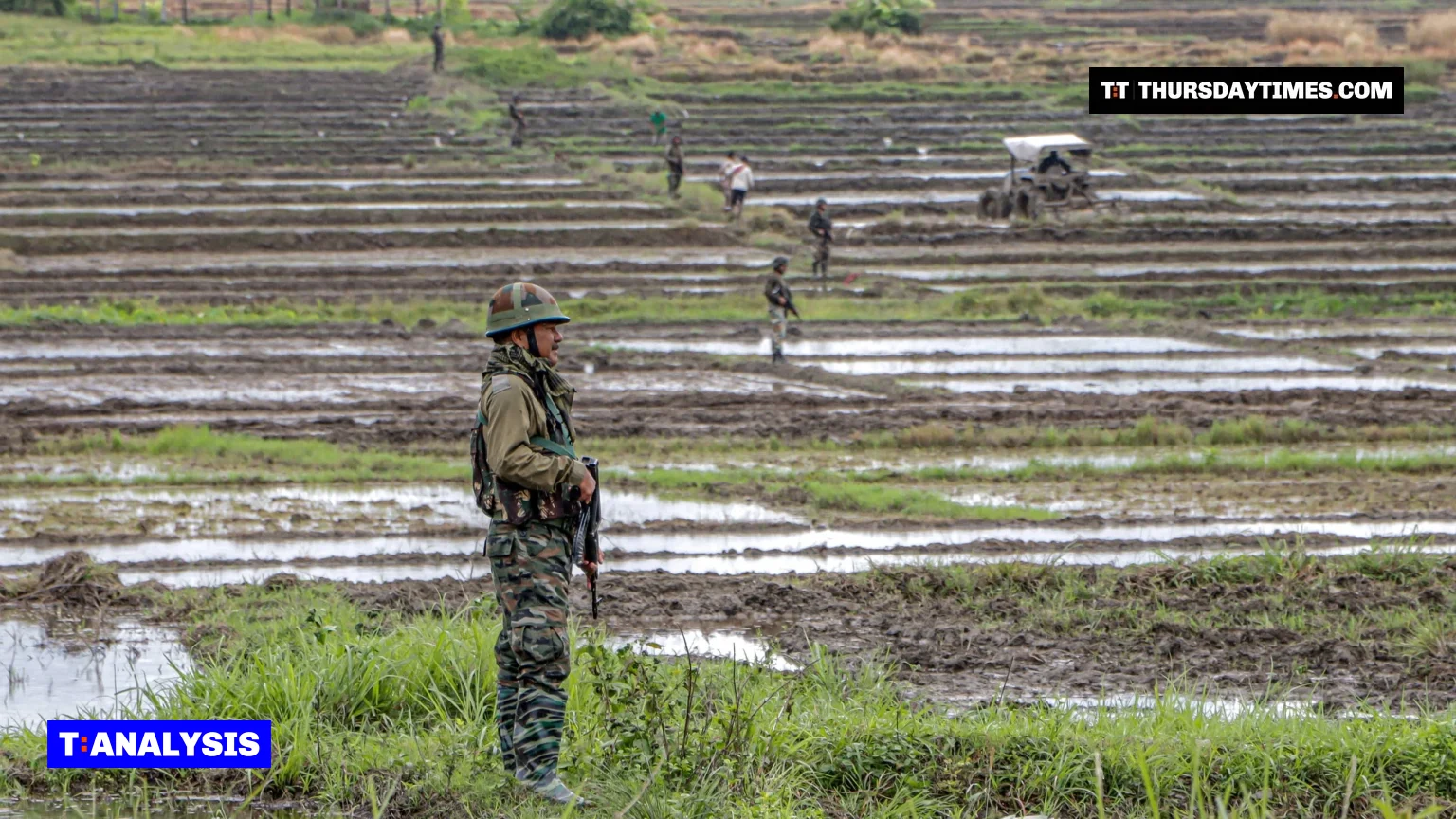
The state’s answer has been the escort. Vehicles on Highway 202 travel under guard between Mahadev and Litan, and the chief minister ordered daily road opening parties after touring Ukhrul villages in April. But the stretch beyond Litan towards Ukhrul has seen most of the killings, and the escorts have not stopped them. Friday’s ambush happened just outside the escorted stretch, on a road that many residents had already learned to avoid.
The cost falls on people who have nothing to do with either armed camp. Since February, residents of Ukhrul and Kamjong have used a narrow village road through Ramva and Napetpali to reach Imphal instead. It cannot take buses, turns to mud in the monsoon, and doubles the journey. The fare has more than doubled with it. Farmers now take their produce to Imphal’s markets far less often, and one errand in the capital can mean two or three nights away.
What is striking about this week is how closely the two communities’ responses mirror each other. On the Kuki side, Thangginlun Chongloi, 21, and Paoginlal Hangsing, 20, were abducted on October 28 while returning from the Hengbung police outpost on Highway 2, and their bodies were found on November 1. Their village blames Naga armed groups. The chief minister has said the case has gone to the National Investigation Agency. The Committee on Tribal Unity, a Kuki body in Kangpokpi, has left the bodies in the mortuary of the state’s main hospital in Imphal and begun sit-ins, saying the government’s response to its demands was “unsatisfactory”.
On the Naga side, the Tangkhul Naga Long wants the New Haven killings handed to the NIA, the removal of what it calls “Kuki terrorists” from Naga areas, and the withdrawal of the central forces it says it no longer trusts. The families will not take the bodies home until those demands are met. “Our restraint is not weakness,” the body said.
Meanwhile the Kuki Inpi Manipur has given the state police 72 hours to explain statements it says showed ethnic bias. Police called the killing of a Kuki woman in Kangpokpi on Thursday a “firing incident” without naming her attackers, it says, while describing the men who wounded a Tangkhul Naga civilian as “suspected Kuki armed miscreants”. Kuki-Zo groups in Ukhrul have condemned Friday’s ambush and denied that their community had any part in it.
Both sides, in other words, are using the same leverage, the unburied dead, for the same ends. And both aim their ultimatums not at each other but at Imphal and New Delhi, which says a good deal about who they think can deliver.
Part of the answer lies in an agreement that no longer exists. For years, Kuki armed groups lived in designated camps under the Suspension of Operations pact with the federal and state governments. It expired in September and has not been renewed. When security forces inspected one camp in Kangpokpi in October, they found 18 people instead of 159 registered fighters, and only one of the 18 was on the list. Checks at three or four other camps since May found only 30 to 40 per cent of registered members present, officials said.
For Meitei and Naga groups, those numbers confirm what they have argued for years: that the camps hide more than they hold, and that the paramilitary Assam Rifles look the other way. Their joint demand on October 31 was to scrap the pact and withdraw the force. For Kuki groups, the raids prove the opposite: that the state acts against them while Naga armed groups move freely. The Kuki-Zo Council has threatened to pull its legislators from the state government and to urge Kuki armed groups to reconsider their truce altogether, and it points out that the NSCN-IM ceasefire with New Delhi does not cover Manipur.
Both readings can be partly true at once. A lapsed truce with half-empty camps is a security problem. A security response that falls on one community and not the other is a political one. Manipur now has both, and the weapons to make either worse: police seized a 10-foot rocket and Chinese-made mortars in Churachandpur district this week.
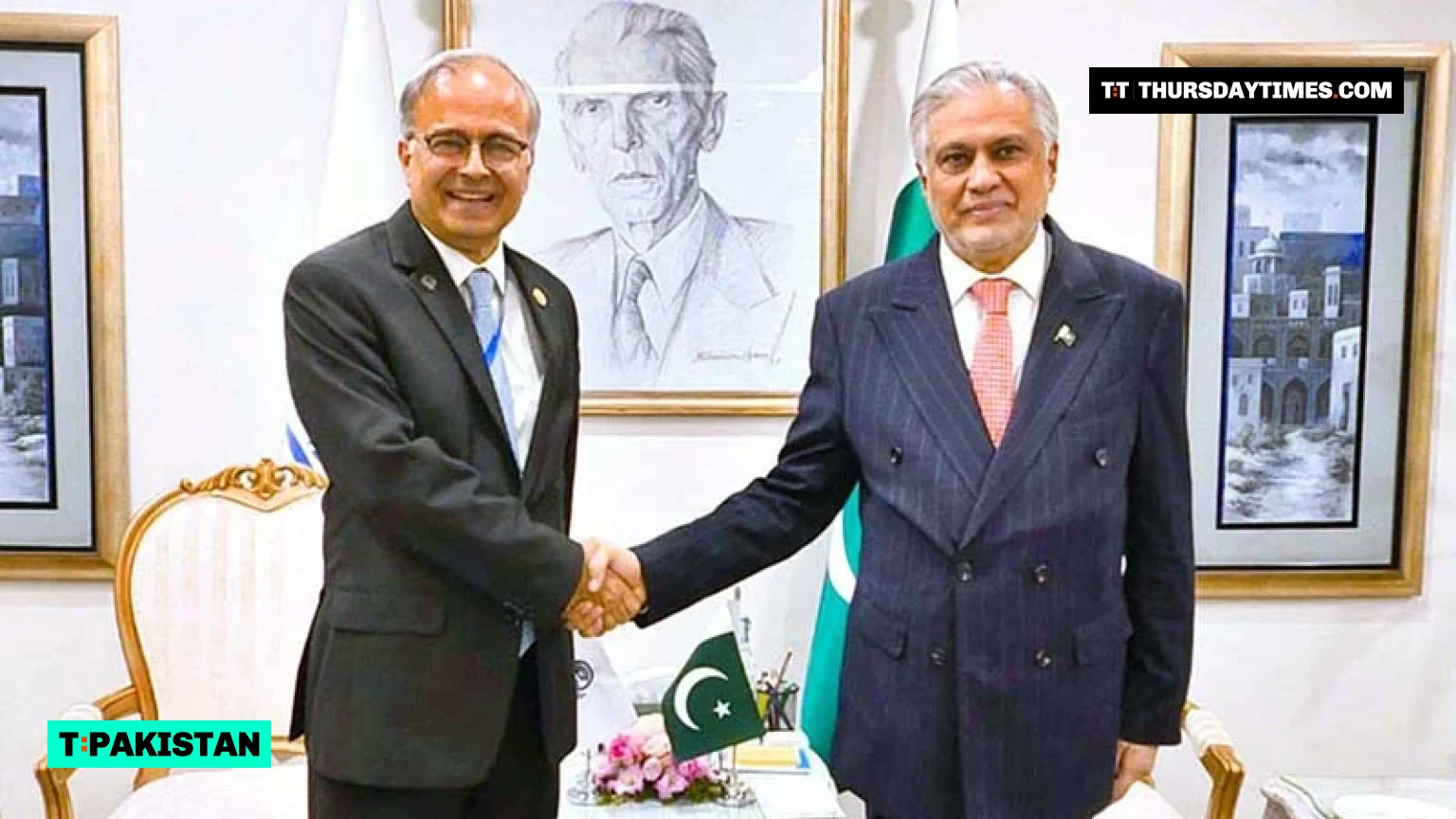
Manipur’s elected government, formed in February, has a member of each community at the top. Chief Minister Yumnam Khemchand Singh is Meitei. One deputy chief minister, Losii Dikho, is Naga; another, Nemcha Kipgen, is Kuki, and her appointment in February drew protests and shutdown calls from those who saw any Kuki role in the government as betrayal. On Friday Dikho condemned the New Haven killings, appealed for dialogue, and said the government would not rest until those responsible were punished.
The arrangement gives every community a seat at the table. What it has not yet given any of them is a police force they trust on the highway. That is why the National Investigation Agency has become the default answer to every killing. The April ambush near Litan went to the agency. The abduction of the two Taphou youths has gone to it. Now the Naga bodies want New Haven added. Each referral calms a crisis for a few days. None has yet produced a trial that either community can point to, and federal processes in Manipur move slowly: the commission investigating the violence of 2023 was given its seventh extension on Friday, and now has until May 20, 2027, to report.
Read in full at thursdaytimes.com ›