Steel in silk gloves
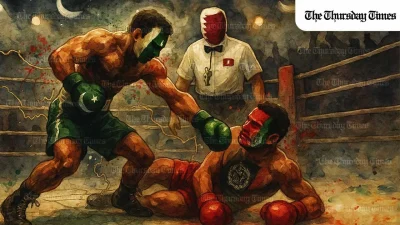
Pakistan came with one demand and departed with verification, guarantors and a timetable; Kabul kept its face, Islamabad kept the substance. A new regional normal now bears Pakistan’s imprint.
Pakistan came with one demand and departed with verification, guarantors and a timetable; Kabul kept its face, Islamabad kept the substance. A new regional normal now bears Pakistan’s imprint.
Critics insist that Pakistan’s sympathy for Gaza is performative. They are wrong. It is historical, ethical, and intensely practical. War does not stop at borders. It migrates into prices, into power cuts, into classrooms, into the psychology of a young man who has seen too many funerals and too few pay cheques.

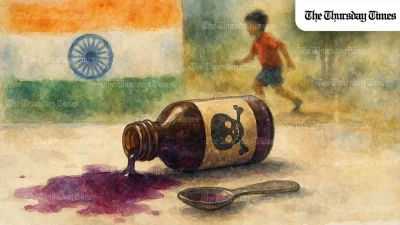
India cannot claim the title Pharmacy of the World while children die from poisoned cough syrup. Pride means nothing without transparent regulation, lot-by-lot testing, and accountability from factory floor to cabinet table.
For fifty years Pakistan sheltered millions of Afghans while richer capitals sermonised from afar. If promises are paused in the West, do not scold the neighbour for enforcing its borders; honour your pledges and share the burden.

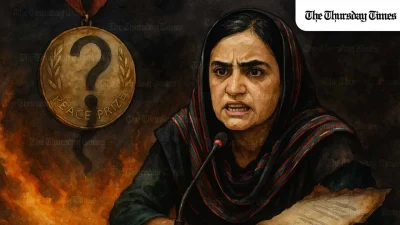
The Nobel Peace Prize risks turning from conscience into stagecraft when nominees with alleged militant proximities are amplified by friendly institutions, eroding the firewall of secrecy and trust.
Anchored by the Hafiz effect, Pakistan has shown that deterrence with restraint, tighter borders, cleaner markets, and a geo-economic push via the SIFC have recast the state as reliable, ensuring that routines, not miracles, move the country forward.

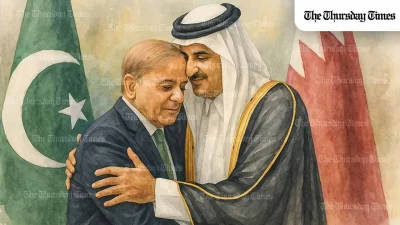
Israel's attack tried to shrink Qatar, and Pakistan answered with presence, not bluster, drawing a hard line for sovereignty. In Doha, mediation became infrastructure: solidarity turned from pose to policy.
Charlie Kirk built his career defending guns at home and Israel abroad; yet he died by the very force he glorified. His death reveals the brittleness of ideologies that mistake force for security.
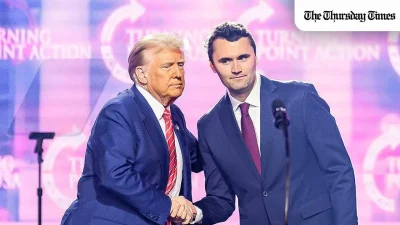
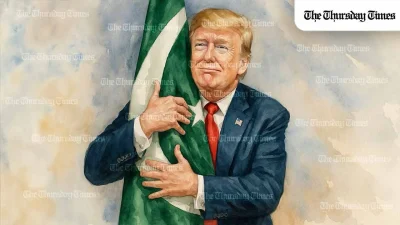
Trump may be isolating the U.S. from the world, tearing up alliances and redrawing the map on his own terms, but as others scramble for relevance, Pakistan has walked out the front door of the White House with an oil deal in hand, signalling a comeback for Pakistan's place on the American mantle.
The Field Marshal hasn’t come to charm headlines or peddle illusions; he’s come to stitch a broken republic back together, and in a region entranced by spectacle and the echo of its own bravado, his silence feels less like absence and more like authorship.
