Economy

Islamabad’s cashless deadline is easy for offices, hard for shops

Government offices in Islamabad stop taking cash after November 30, and every merchant is meant to take digital payments by December 31. State Bank figures and a study of 816 merchants show why the offices are the easy part, and what it will take to bring the corner shop along.
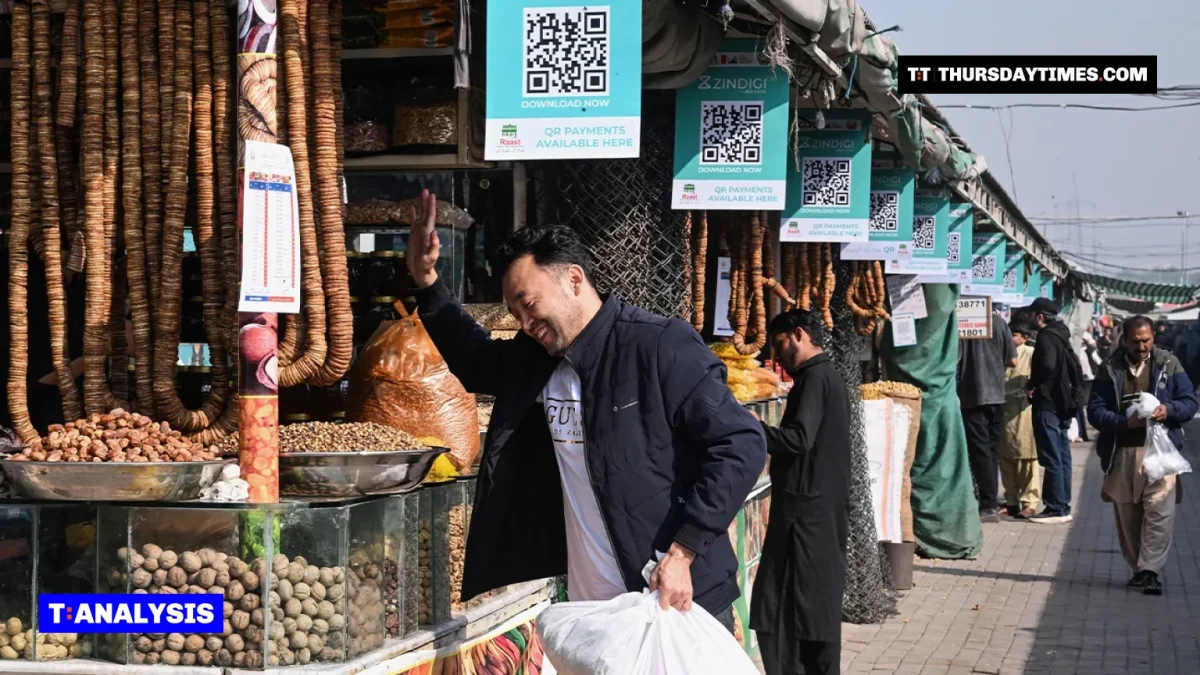
QR codes for Raast digital payments displayed over market stalls in Islamabad
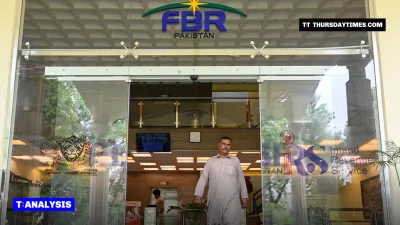
The entrance of the Federal Board of Revenue office in Islamabad
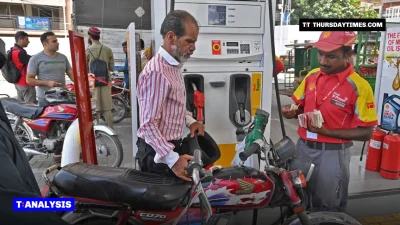
A motorcyclist buys petrol at a fuel station in Lahore
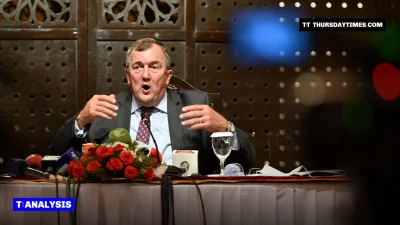
Barrick chief executive Mark Bristow speaks at a press conference table with microphones and flowers
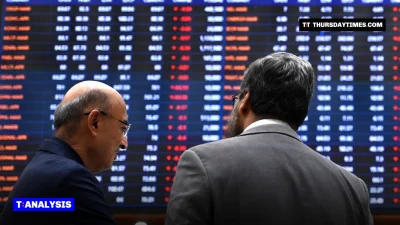
Two stockbrokers watch an electronic board of share prices at the Pakistan Stock Exchange in Karachi
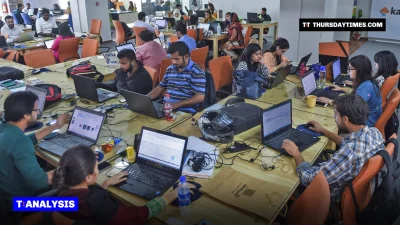
Rows of young Pakistani men and women working at laptops in an open-plan office in Karachi

What peace in the Gulf would be worth to Pakistan

Cheaper fuel, Qatari gas back for the winter, a safer path for Reko Diq and protection for the Gulf jobs behind Pakistan’s remittances: the sums behind the country’s stake in a US-Iran deal

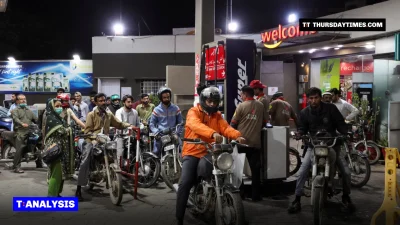
Motorcyclists queue at night at a brightly lit petrol station forecourt in Karachi

Pakistan’s economy has stabilised, but now the hard part begins

The State Bank of Pakistan’s Half Year Report shows stronger growth, lower inflation, rising reserves and a rare fiscal surplus, but warns that weak exports, low investment, climate shocks and Middle East instability could still test the recovery.

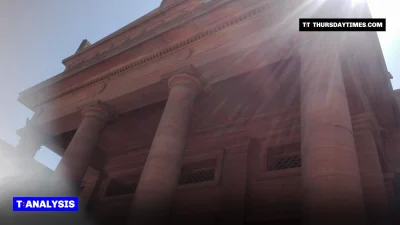
The red stone columns of the State Bank of Pakistan building seen from below with the sun behind
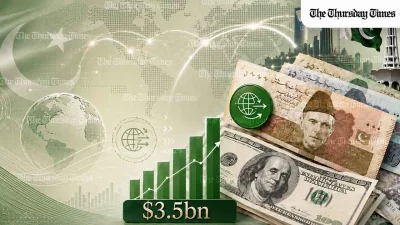
Pakistan received $3.5 billion in workers’ remittances in April 2026 as Saudi Arabia, the UAE, the UK, EU countries and the United States led overseas inflows and strengthened the country’s external account. — FILE/THE THURSDAY TIMES
Published by Thursday Media International thursday.media