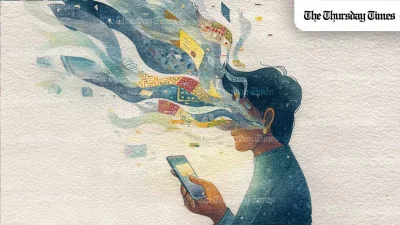
False is the new true
From slacktivism to viral political narratives, Pakistan’s low digital literacy and algorithmic feeds are turning falsehood into habit, weakening trust, polarising society, and making reality itself feel negotiable.
From slacktivism to viral political narratives, Pakistan’s low digital literacy and algorithmic feeds are turning falsehood into habit, weakening trust, polarising society, and making reality itself feel negotiable.
Joyland doesn’t lecture on patriarchy, but rather makes you live inside its soft violence. It insists on the intimacy of consequences: posture, mood, shame, and what they do to a life.

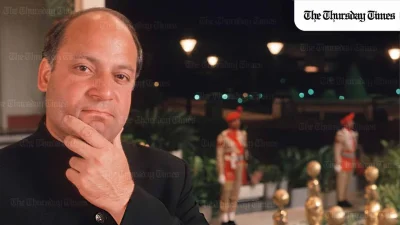
Ten years after Lahore’s birthday stopover, a portrait of Nawaz Sharif as the rare Pakistani leader who pursued peace with India and Afghanistan while insisting minorities belonged at the centre of the nation.
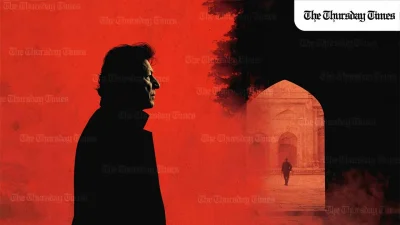
Why Pakistan remains trapped in the emotional afterlife of a failed promise, and why moving forward may require letting one man fade from the centre of politics.
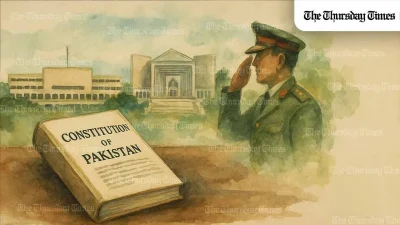
By writing real power into the Constitution, the Twenty Seventh Amendment does not create domination, it drags it out of the shadows and subjects it to text, structure and scrutiny. What unsettles its critics is not authoritarianism, but honesty: this amendment ends the comfortable lie that Pakistan’s true centres of command live outside the law.
The name Indus comes from the ancient Sanskrit Sindhu, which evolved through Persian, Greek, and Latin adaptations reflecting the river's role in identity, conquest, and civilisation; this transformation tells a larger story of how geography shapes names and history through foreign tongues, empires, and time.

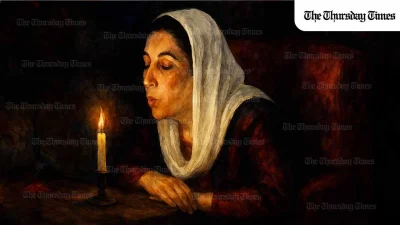
Benazir Bhutto was not flawless. That would have made her forgettable. She was urgent. She was unfinished. She was fury wrapped in grace. And she walked straight into history with her head high, her voice clear, and her fate already sealed. But she did not flinch.
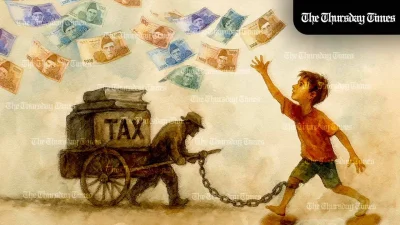
The 2025–26 federal budget, while notable for its aggressive revenue ambitions, fails to articulate a cohesive development vision and ultimately resembles a consolidation mechanism rather than a transformative roadmap.
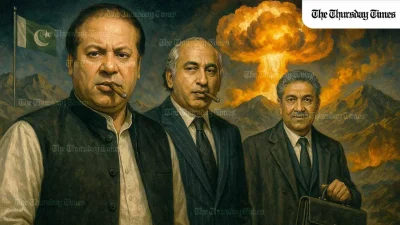
History is not made in conference rooms or cocktail parties. Sometimes, it is written in the dark, among men who refuse to beg for survival. Pakistan’s nuclear program was one of those moments — a nation wounded, cornered, and left with no choice but to fight its way into the club of the untouchables.
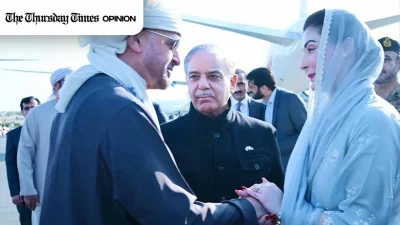
The backlash from PTI circles over Maryam Nawaz’s diplomatic handshake with the UAE President lays bare the deep-seated misogyny overshadowing her leadership. This fixation on protocol exposes a calculated attempt to undermine her transformative initiatives through gendered criticism.