FOR YEARS, THE STORY OF Pakistan in global financial circles was written in the language of crisis. The country was described through shortages, bailouts, debt deadlines and the endless question of whether it could simply endure the next quarter. Markets watched nervously, allies were asked for emergency support, and headlines too often reduced a nation of more than 240 million people to a balance-sheet problem. That story, while grounded in real pressures, missed something important: countries do not remain frozen in their weakest moment forever.
Now, quietly but unmistakably, Pakistan appears to be stepping into a different chapter. The shift is not dramatic enough to satisfy cynics who demand miracles, nor loud enough to dominate every international front page. But it is visible in the places that matter. Debt is being repaid on time. International market access is reopening. Strategic partners are extending support. Investors are returning. Diplomatically, Pakistan is again being taken seriously. These are not fantasies. They are the building blocks of recovery.
The reported return to international borrowing markets through a $500 million three-year Eurobond, priced below seven per cent, carries significance beyond the size of the transaction. In pure numerical terms, $500 million does not transform a large economy. Symbolically, however, it signals that investors who once saw only risk now see possibility. Sovereign borrowing markets are not sentimental institutions. They respond to confidence, discipline and expectation. Pakistan’s re-entry suggests that trust, while still cautious, is being rebuilt.
Equally important was the timely repayment of external obligations, including a maturing Eurobond. Countries restore credibility not through speeches but through performance. Paying what is due, when it is due, is among the clearest statements a government can make to markets. It says that obligations are being managed, priorities are being aligned and the state intends to be treated as a serious borrower once more.
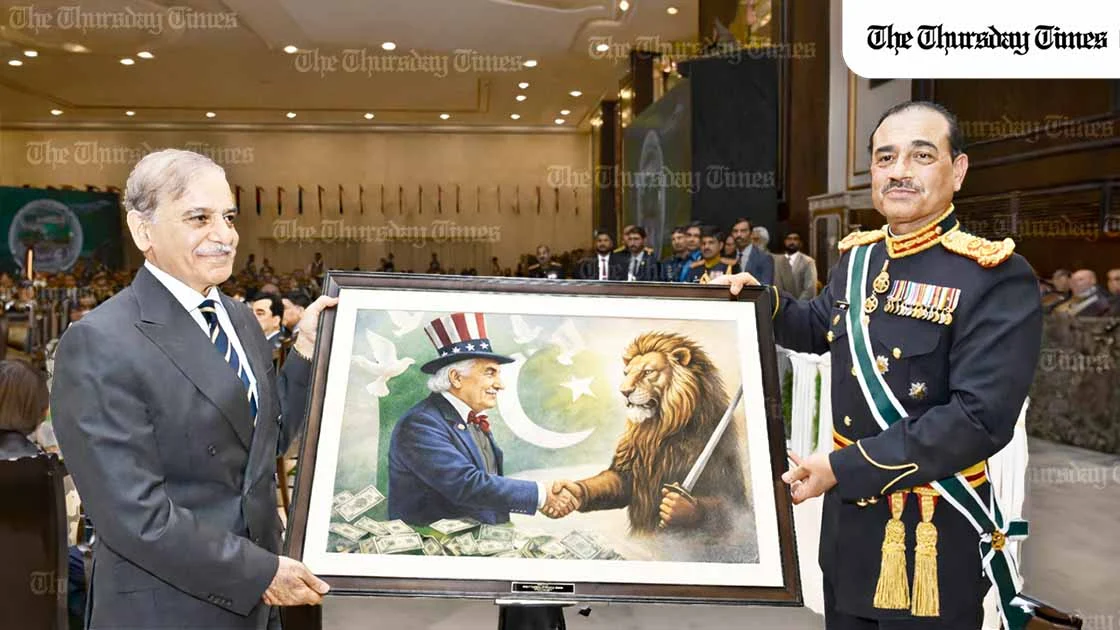
Support from Saudi Arabia, including the extension of existing deposits and additional financial backing, adds another layer to the moment. Critics often dismiss bilateral assistance as mere rescue finance. But strategic support from long-standing partners can also function as a vote of confidence. It tells markets that influential states with deep regional interests believe Pakistan remains worth backing. In times of transition, confidence from allies can become confidence from investors.
The rise of the Pakistan Stock Exchange offers a domestic mirror to that external sentiment. Equity rallies do not solve structural problems, but they do reveal changing expectations. Markets rise when participants believe tomorrow may look better than yesterday. Pakistan’s recent stock performance reflects an economy that is beginning to generate optimism rather than merely defend itself from pessimism.
There is also a deeper psychological change underway. Nations in prolonged economic stress often become trapped in a politics of emergency. Every decision is reactive. Every debate is short-term. Every success is judged only by whether disaster was delayed. Pakistan now has an opportunity to move from emergency management toward strategic management. That transition may prove more valuable than any single bond issue or market rally.
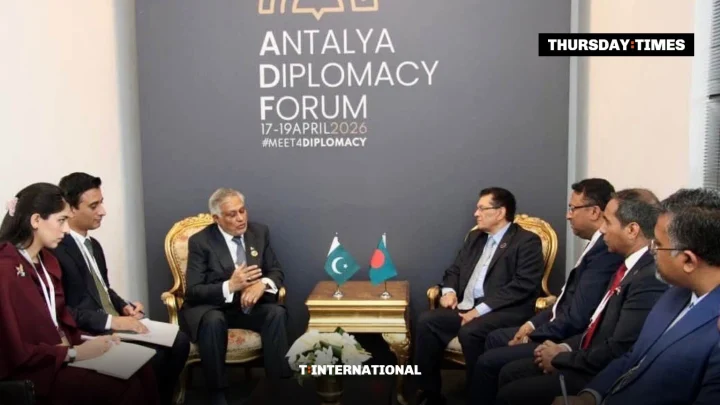
Diplomatically, the country’s renewed relevance matters just as much as its financial indicators. In a fractured region and an unsettled world, states that can communicate across divides gain value quickly. Pakistan’s growing role in regional conversations, and its ability to maintain relationships with Gulf partners, China, Western capitals and neighbours alike, creates leverage that cannot be measured only in currency reserves. Influence, when used wisely, becomes an economic asset.
This is also a reminder that international narratives can be slow to adjust. Pakistan has often been spoken about abroad in static terms: unstable, dependent, perpetually at risk. Such labels are convenient because they save outsiders the trouble of noticing change. Yet countries evolve unevenly. Reforms accumulate quietly. Institutions adapt. New confidence emerges before old stereotypes fade. Pakistan’s recent headlines suggest the world may again be underestimating the speed at which perceptions can turn.
None of this means the hard work is over. Inflation pressures can return. Political uncertainty can unsettle gains. Structural reforms remain essential. Tax collection, exports, productivity and governance still require sustained attention. But it is possible to acknowledge unfinished business while also recognising genuine progress. Too often, commentary on developing economies allows only two moods: euphoria or despair. Serious analysis demands room for something more mature, namely momentum.
What makes the current moment encouraging is that several positive signals are arriving together. A successful market raise, timely debt repayment, strong partner backing, rising equities and improving diplomatic standing each tell a useful story on their own. Together, they tell a larger one. Pakistan is becoming less defined by vulnerability and more by resilience.
There is dignity in survival, especially after years of pressure. But survival cannot be the final ambition of a serious nation. The more compelling goal is renewal. Pakistan now has a chance to prove that crisis was not its identity but merely a phase. If policymakers use this opening with discipline and imagination, the country may discover that the world is ready to see it differently because it has already begun to see itself differently.
The old question was whether Pakistan could make it through the next emergency. The new question is far more interesting: what can Pakistan become once it is no longer governed by fear of collapse? That is the kind of question investors notice, allies respect and citizens deserve.∎