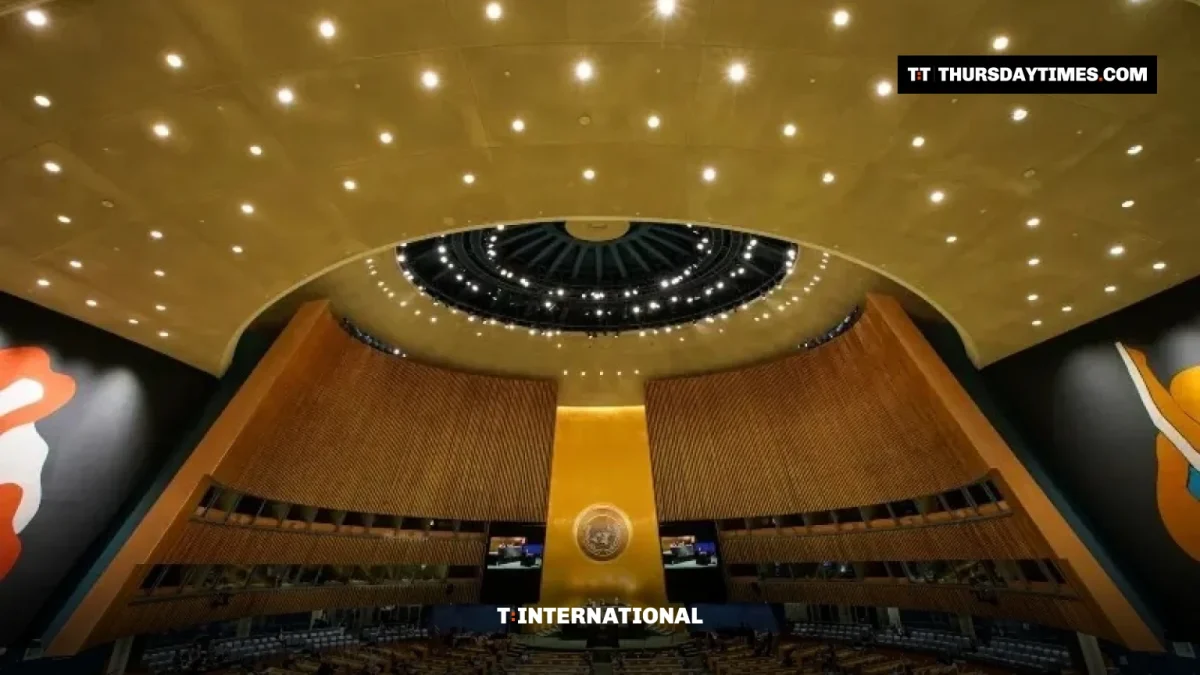
NEW YORK (The Thursday Times) — Pakistan has warned the United Nations General Assembly that adding permanent members to the Security Council or extending the veto to more countries would deepen inequality at the UN and make the Council more likely to freeze.
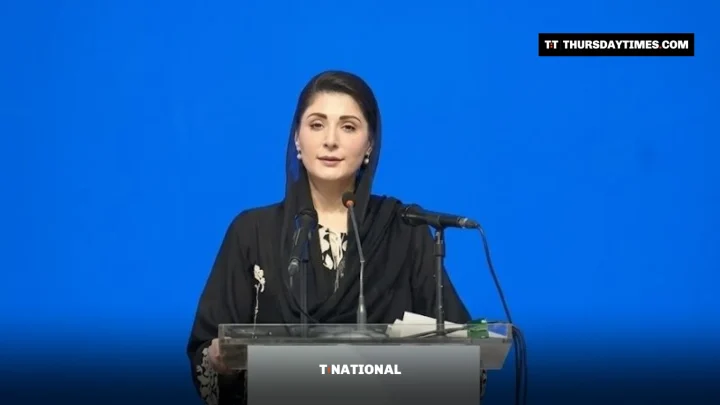
Speaking at the General Assembly’s debate on the use of the veto, Gul Qaiser Sarwani, a counsellor at Pakistan’s Mission to the UN, said new permanent seats would “deepen existing inequalities, perpetuate historical advantages and increase the risk of Council paralysis.”
He said strategic rivalries and narrow interests among the five permanent members had “repeatedly impeded collective action”, and called for “comprehensive, democratic and equitable reform of the UN Security Council.”
Abolish or restrict the veto
Pakistan favours abolishing the veto or, failing that, placing “severe restrictions on its use”, Sarwani said, and opposes giving it to any new members. Any limits must be consistent with the UN Charter.
He backed General Assembly resolution 76/262, under which the Assembly meets to debate every time a veto is cast, and said veto curbs should go hand in hand with fairer representation and a bigger role for the Council’s elected members, making the body “more democratic and providing an effective check on the exercise of veto power.”
Sarwani said the veto could not be dealt with in isolation. It should be negotiated as a package with the four other clusters of the Intergovernmental Negotiations on Council reform.
‘Privilege for none’
He reaffirmed “Pakistan’s strong commitment to reform that corrects existing imbalances, strengthens accountability”, and closed with the line: “Reform for all. Privilege for none!”
Pakistan, part of the Uniting for Consensus group, has long opposed bids by India, Germany, Japan and Brazil for permanent seats. A recent UN report listed the veto among the reasons multilateral efforts have failed to stop conflicts between states.