Rethinking Musharraf
I grew up in a PML-N house where the general was the villain of every story. Fifteen years on, I've stopped believing it.
The author is a student of common law and politics in the EU.
I grew up in a PML-N house where the general was the villain of every story. Fifteen years on, I've stopped believing it.

Zohran Mamdani is not Pakistani, yet he has stirred a rare warmth in Pakistan. His comfort with Urdu and Hindustani, his visible Muslim identity and his wider South Asian cultural ease have made him feel less like a distant foreign politician and more like someone many Pakistanis instinctively understand.

Joyland doesn’t lecture on patriarchy, but rather makes you live inside its soft violence. It insists on the intimacy of consequences: posture, mood, shame, and what they do to a life.

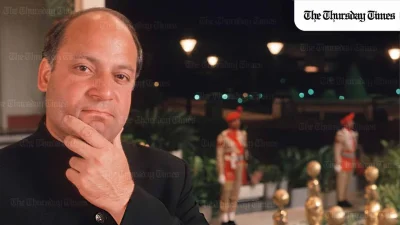
Ten years after Lahore’s birthday stopover, a portrait of Nawaz Sharif as the rare Pakistani leader who pursued peace with India and Afghanistan while insisting minorities belonged at the centre of the nation.
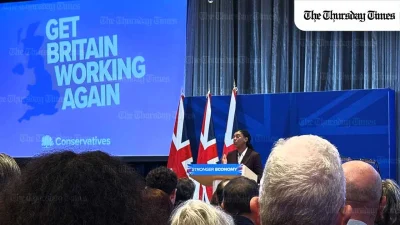
In a blistering London speech, the Conservative leader tore into mental-health diagnoses, child-poverty metrics, and Labour’s welfare vision — igniting the fiercest policy fight of her campaign.
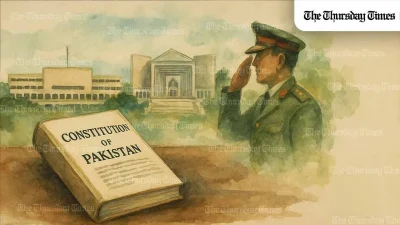
By writing real power into the Constitution, the Twenty Seventh Amendment does not create domination, it drags it out of the shadows and subjects it to text, structure and scrutiny. What unsettles its critics is not authoritarianism, but honesty: this amendment ends the comfortable lie that Pakistan’s true centres of command live outside the law.
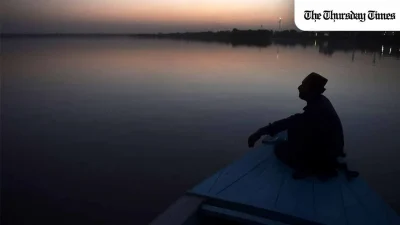
The name Indus comes from the ancient Sanskrit Sindhu, which evolved through Persian, Greek, and Latin adaptations reflecting the river's role in identity, conquest, and civilisation; this transformation tells a larger story of how geography shapes names and history through foreign tongues, empires, and time.
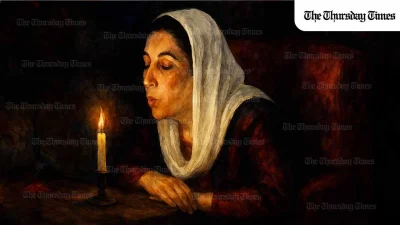
Benazir Bhutto was not flawless. That would have made her forgettable. She was urgent. She was unfinished. She was fury wrapped in grace. And she walked straight into history with her head high, her voice clear, and her fate already sealed. But she did not flinch.
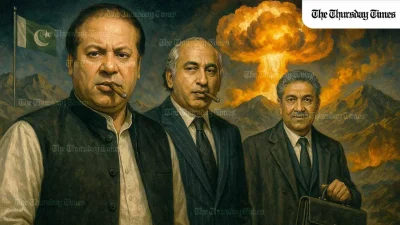
History is not made in conference rooms or cocktail parties. Sometimes, it is written in the dark, among men who refuse to beg for survival. Pakistan’s nuclear program was one of those moments — a nation wounded, cornered, and left with no choice but to fight its way into the club of the untouchables.
In London, PTI supporters protesting against former Chief Justice Qazi Faez Isa may have breached English law on harassment and criminal damage. Legal implications hinge on whether actions, like allegedly striking Isa’s car, could be considered reckless or intimidating under UK statutes.