
ISLAMABAD (The Thursday Times) — Pakistani officials believe a potential breakthrough may be emerging in negotiations over Iran’s nuclear programme, as Islamabad deepens its role as the central intermediary in efforts to end the escalating U.S.–Israeli conflict with Tehran.
According to officials familiar with the talks, Pakistan’s diplomatic push has entered a more decisive phase, with expectations that movement on the nuclear issue — long the most entrenched obstacle — could unlock a broader agreement.
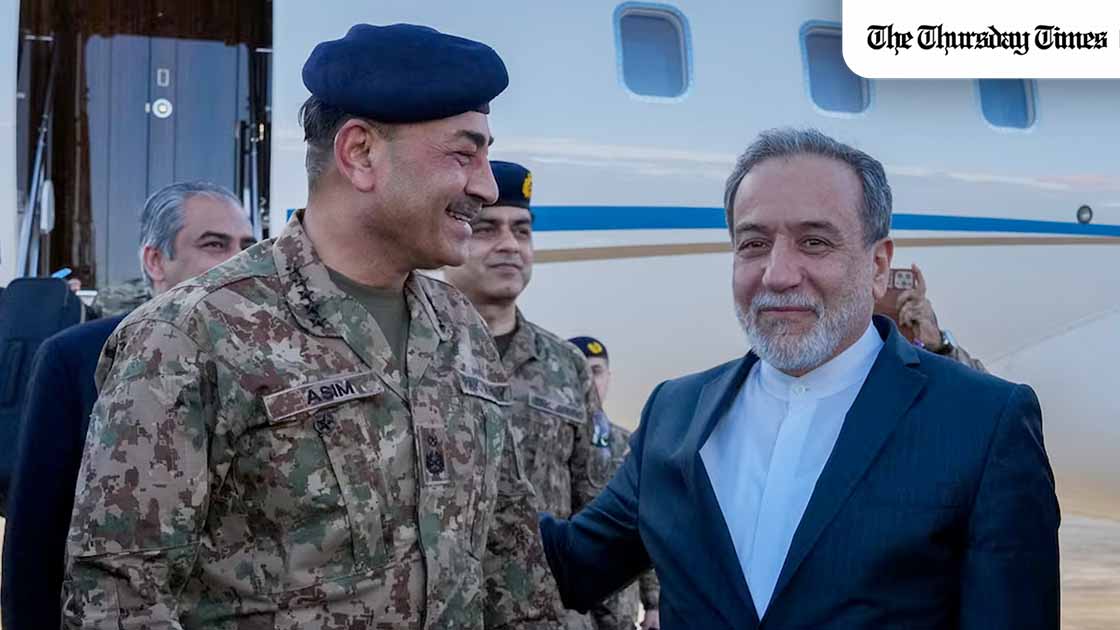
The optimism comes amid a flurry of high-level meetings involving Pakistani military and government figures, including Field Marshal Asim Munir, who travelled to Tehran this week carrying messages between Washington and Iranian leadership. There, he met Iran’s foreign minister, Abbas Araghchi, as part of what officials describe as ongoing “shuttle diplomacy” aimed at bridging gaps between the two sides.
Pakistan has also coordinated closely with regional powers, including Saudi Arabia, in an effort to build a broader diplomatic framework capable of sustaining any agreement.
Nuclear issue remains central obstacle
Despite growing optimism, the negotiations remain highly sensitive, with Iran’s nuclear programme still the core point of contention.
At issue is the future of uranium enrichment and the fate of Iran’s existing stockpile of highly enriched material. Western officials have pushed for long-term or even permanent restrictions, while Tehran has insisted on preserving its right to civilian nuclear development and has proposed shorter-term limits.
The gap between the two positions has stalled previous rounds of talks, including negotiations held in Islamabad that ran for nearly a full day without producing a deal.
Yet diplomats now suggest there may be room for compromise, with discussions focusing on a middle-ground arrangement that could involve temporary limits on enrichment combined with phased sanctions relief and international monitoring.
Pakistan’s involvement has grown significantly since the outbreak of the conflict earlier this year, positioning itself as a rare intermediary with working relationships across all sides.
With a shared border with Iran and longstanding ties to Gulf states, Islamabad has leveraged its diplomatic channels to maintain communication between adversaries who have otherwise had little direct contact.
Officials say Pakistan is not only facilitating talks but also helping shape their structure, including efforts to organise a second round of negotiations, potentially again in Islamabad.
The country’s approach has combined formal diplomacy with backchannel messaging, with Pakistani officials relaying proposals, counterproposals and security assurances between Washington and Tehran.
Even as expectations of a breakthrough grow, diplomats caution that the process remains fragile.
Key disagreements persist not only over nuclear timelines but also over sanctions, maritime access in the Strait of Hormuz and broader regional security guarantees.
There are also internal pressures on all sides, with political factions in both Iran and the United States sceptical of compromise.
Still, markets and policymakers alike have begun to respond to signs of progress, with hopes that even a limited interim agreement could stabilise energy flows and reduce the risk of further escalation.
For now, Pakistan’s mediation has shifted from simply keeping dialogue alive to attempting something more ambitious: delivering a deal where previous efforts have repeatedly failed.
Whether the anticipated breakthrough materialises may depend on whether both sides are prepared to narrow their demands on the nuclear issue — the very question that has defined this conflict from the outset.