
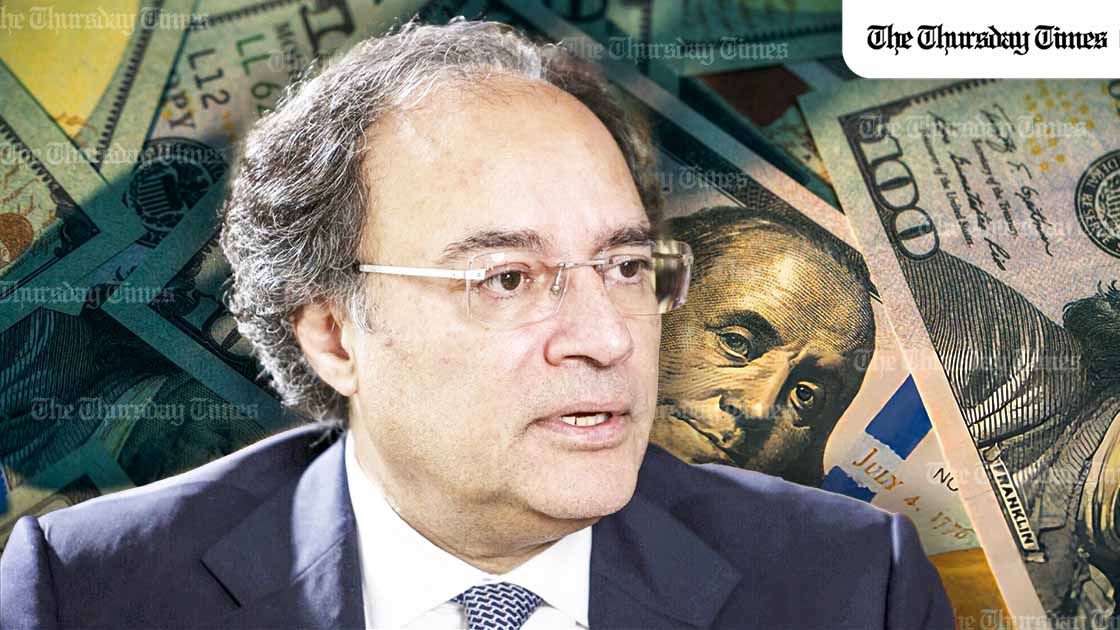
WASHINGTON, D.C. — Pakistan is pressing for early approval of the next disbursement under its International Monetary Fund programme, as officials in Washington seek to turn a tentative economic stabilisation into a more durable recovery. Finance Minister Muhammad Aurangzeb said a Fund team would travel to Pakistan next month for consultations tied to the upcoming review, as Islamabad pushes to secure the next tranche as early as possible. Fresh reporting on Saturday said the expected release is around $1.2 billion.
The effort reflects a familiar truth in Pakistan’s economic life: confidence can be as important as cash. For a country that has spent much of the past several years fending off default fears, negotiating emergency financing and trying to rebuild depleted foreign exchange buffers, the symbolism of uninterrupted IMF support carries weight well beyond the nominal value of a single tranche.
Mr Aurangzeb’s comments come at a moment when Pakistan’s economic managers are attempting to project something they have rarely been able to offer markets for long: continuity. The government has spent recent weeks arguing that it is no longer merely plugging financing gaps, but laying the groundwork for a broader re-entry into international capital markets through instruments including Eurobonds, Panda bonds and rupee-linked financing structures.
That broader pitch depends heavily on the IMF remaining visibly onside. In late March, Pakistan reached a staff-level agreement with the Fund that could unlock about $1.2 billion in financing, including support under the Extended Fund Facility and the Resilience and Sustainability Facility, though the package still requires executive board approval.
In practical terms, the next IMF release would not by itself transform Pakistan’s finances. But it would help reinforce a narrative the government has been eager to sell to creditors and investors alike: that the worst phase of the crisis has passed, that reforms remain on track, and that official lenders still regard Pakistan as broadly compliant. That matters in a country where reserve levels, exchange-rate stability and sovereign credibility are watched almost as political indicators.
The government’s urgency is also shaped by external pressure. Pakistan has been managing a demanding repayment schedule while trying to preserve reserve targets linked to its IMF programme. Reuters reported this week that Saudi Arabia had pledged an additional $3 billion in support, helping Pakistan manage a looming repayment obligation to the United Arab Emirates and shoring up investor sentiment in its international bonds.
That Saudi support, while significant, does not lessen the centrality of the Fund. Pakistan’s economic history is littered with temporary reprieves that eased immediate pressure without resolving deeper vulnerabilities. IMF backing, by contrast, serves as both financing and certification. It tells bilateral partners, bondholders and ratings-sensitive investors that Pakistan remains under a disciplined framework, however imperfectly implemented. This is an inference from the pattern of official financing and market response reported by Reuters.
Mr Aurangzeb has tried to present Pakistan as a country moving from emergency management to structured recovery. In interviews during the spring meetings of the IMF and World Bank, he pointed to improving growth expectations, stronger remittance inflows and a wider financing toolkit, while also acknowledging that global shocks, including higher energy costs and regional instability, remain a threat.
The political value of an early IMF approval is equally clear. A smooth board sign-off would allow Islamabad to argue that its reform commitments retain international credibility even as it balances domestic pressure over inflation, taxation and growth. A delay, by contrast, would risk reviving the sense that Pakistan’s stabilisation remains fragile and conditional.