ISLAMABAD (The Thursday Times) — First production at the Reko Diq copper-gold project in Balochistan could slip by two years to 2030 because of security concerns in the province and the war in neighbouring Iran, government sources and industry insiders said.
Barrick Mining, the Canadian company that holds half of the project, is expected to resume full-scale development by the middle of 2027 once an internal review ends, the sources said. The company has not announced a new timeline, and neither it nor federal and provincial officials immediately responded to requests for comment.
People at the project said work had not stopped. All 700 permanent staff and about 2,000 contract workers have been kept on, although some third-party service contracts were allowed to lapse. A company employee, speaking anonymously, said research, administration and community projects were carrying on normally and called talk about the project’s future baseless. Another official said nearly $1 billion had already been invested, and that the stakes were too high for any shareholder to walk away.
Barrick began its review in February, slowing development and extending its assessment into early 2027. Its chief executive said last month that the company wanted “some sort of security improvement” before starting a full construction schedule. Chairman John Thornton is expected in Islamabad later this month for the Pakistan Minerals Investment Forum 2026.
Estimates of what a delay would cost vary widely. One private-sector source involved in another Balochistan mining venture said costs could rise by $8 billion to $10 billion even if work resumed within a year. An insider with business ties to the project dismissed that as close to absurd and put the increase at no more than about 10 per cent, or $450 million to $900 million.
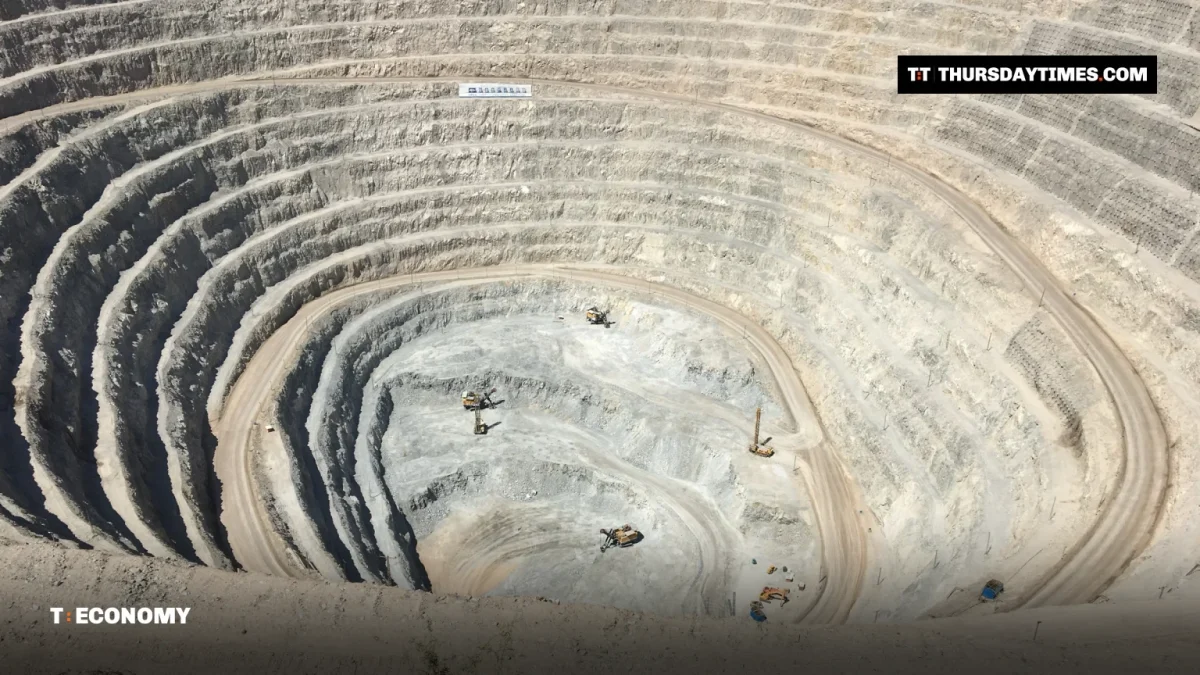
The first phase is now estimated at $5.6 billion, up from $4 billion, and a second phase at $3.5 billion, taking the total to about $9.1 billion. The other half of the project is split equally between the Balochistan government and three Pakistani state-owned companies. The open-pit mine is expected to handle 45 million tonnes of ore a year, doubling after the second phase, and to create 7,500 jobs at the peak of construction and about 4,000 permanent ones. Projected free cash flow over its 37-year life is about $74 billion.