Imagine living in Karachi, Lahore, Peshawar or Islamabad. You may be surrounded by some of the country’s largest hospitals, medical institutions and specialist facilities. Yet, when you need medical advice, you may still have to find a doctor, arrange transport, wait for an appointment and navigate a fragmented healthcare system. Now imagine accessing a connected public healthcare service, free of charge, with a single click on your personal or family mobile phone — a doctor consultation, electronic prescription, referral to a hospital and continuity of medical records. And imagine that this 24/7 service comes not from one of the country’s traditionally better-resourced urban centres, but from Balochistan!
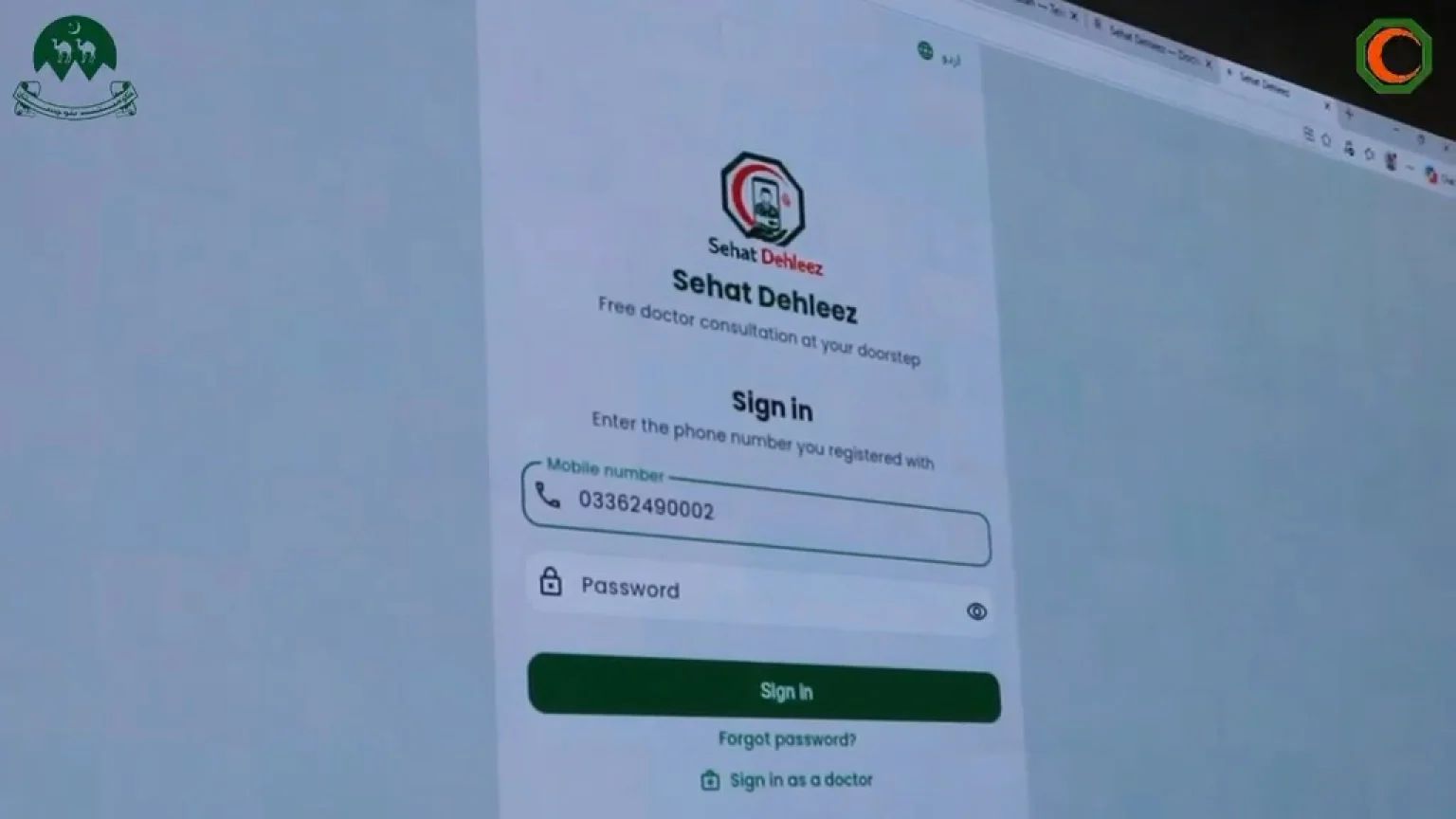
This is the proposition of Sehat Dehleez, an initiative of PPHI Balochistan. More than a mobile or web application, it represents a different way of organising public healthcare: bringing the system closer to every citizen, rather than making the citizen struggle to reach the system. Open to citizens of Pakistan from anywhere in the country and across the world, it challenges the conventional boundaries of provincial public service delivery.
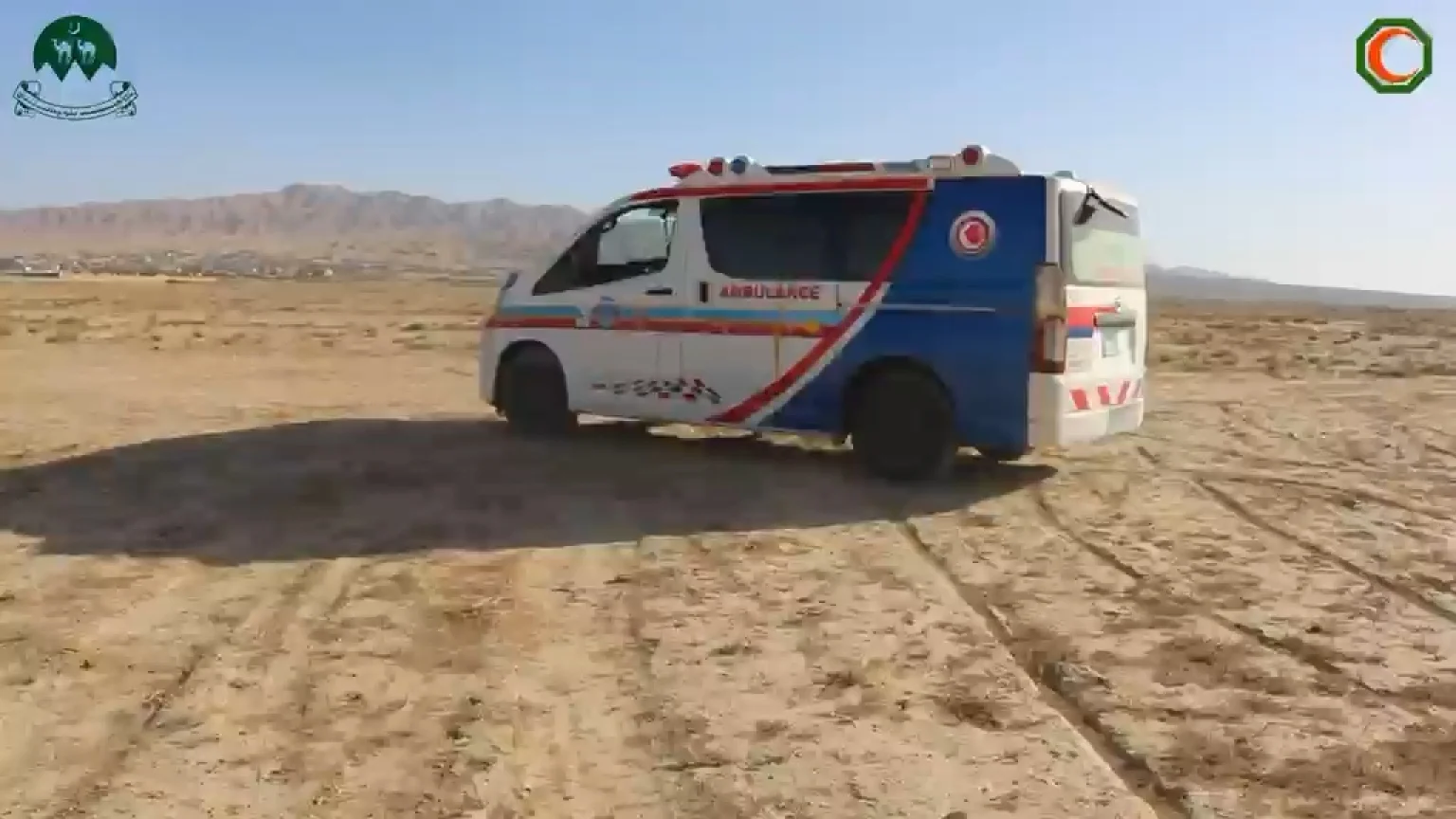
The distinction lies in integration. Teleconsultation alone is not a healthcare system. A digital prescription alone does not guarantee continuity of treatment. A referral alone does not ensure that a patient reaches the appropriate facility. Sehat Dehleez seeks to connect these essential elements into one coordinated pathway to ensure continuum of care and universal health coverage. A citizen can obtain a free consultation with a doctor, receive an electronic prescription, and, where further treatment is required, be referred to an appropriate hospital. Hospitals and ambulances are linked to the referral mechanism, with the objective of making the patient’s transition from consultation to further care more organised and traceable.
Its most significant dimension may be the Electronic Medical Record. Each family member has a separate digital health record, allowing consultations, prescriptions, diagnostic information and follow-up to contribute to an evolving medical history. Healthcare should not begin from zero every time a patient meets a new doctor. Nor should a person’s medical history remain scattered across pieces of paper, different facilities and disconnected encounters. A connected record can help make care more informed and continuous.
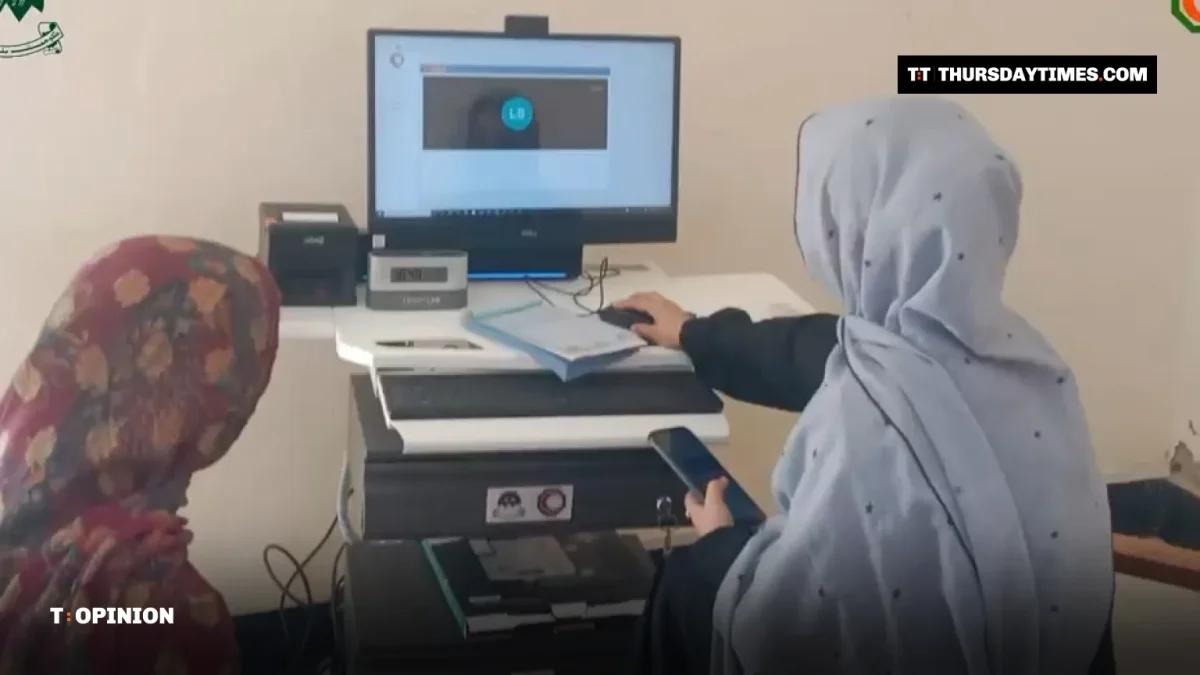
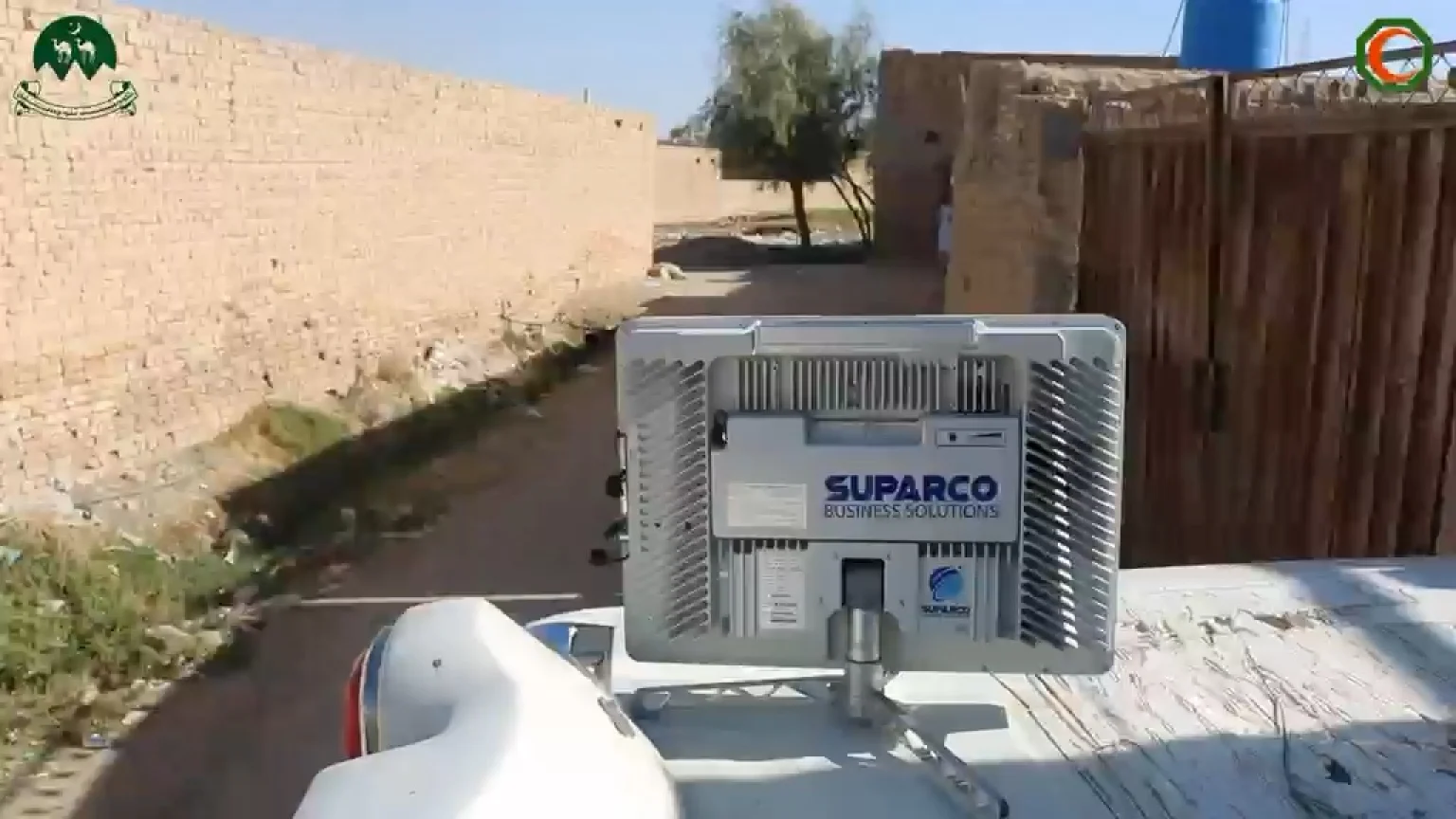
The scale of the supporting infrastructure is equally important. PPHI Balochistan has connected 185 Basic Health Units to satellite-enabled TeleHealth services. Its TeleHealth Nerve Centre in Quetta operates 24/7 consultation stations with 115 Lady Medical Officers and 15 Consultants. The pilot intervention in Balochistan recorded 437,569 consultations, with women accounting for 85 per cent of consultations. These figures reflect the potential of technology to overcome geographical barriers, particularly for women and communities living far from conventional healthcare facilities.
There is a larger national significance to this development. Sindh, Punjab and Khyber Pakhtunkhwa have their own healthcare initiatives, resources and digital interventions. But the benchmark should not be the number of applications launched or the size of a budget announced. It should be the completeness of the service a citizen can actually access. Sehat Dehleez puts forward an integrated model in which consultation, prescription, referral, hospital connectivity, ambulance linkage and family health records are brought together through a single public platform. This is the distinction that deserves national attention, as it is the first of its kind in Pakistan.
For too long, Balochistan has been viewed primarily through the lens of deprivation, distance and institutional constraints. Its challenges are real; so is its capacity to innovate. The province that has often been expected to follow is now presenting an approach from which the rest of the country can learn. It is a reminder that innovation is not the exclusive privilege of wealthier regions, larger cities or bigger institutions. Vision, institutional commitment and the intelligent use of technology can create possibilities even where resources are constrained.
Sehat Dehleez does not suggest that digital consultations can replace hospitals, emergency care or physical medical examinations. It offers something equally important: a more accessible first point of contact and a gateway into the healthcare system for completing the entire loop of continuum of care — a more connected journey through the healthcare system.
The real measure of this initiative will be the patient who receives timely advice, the woman who avoids an unnecessary journey, the family whose medical history remains accessible and the citizen whose referral does not end at the click of a button.
Balochistan is not merely trying to close the healthcare gap. It is demonstrating how that gap can be reimagined — by taking healthcare to the citizen, wherever the citizen may be.