ISLAMABAD (The Thursday Times) — Russia and Pakistan have more than 10 cooperation agreements at the final stage of preparation for signing at the 11th session of their Intergovernmental Commission, which meets in Moscow on November 25, according to a statement released in Islamabad on Wednesday.
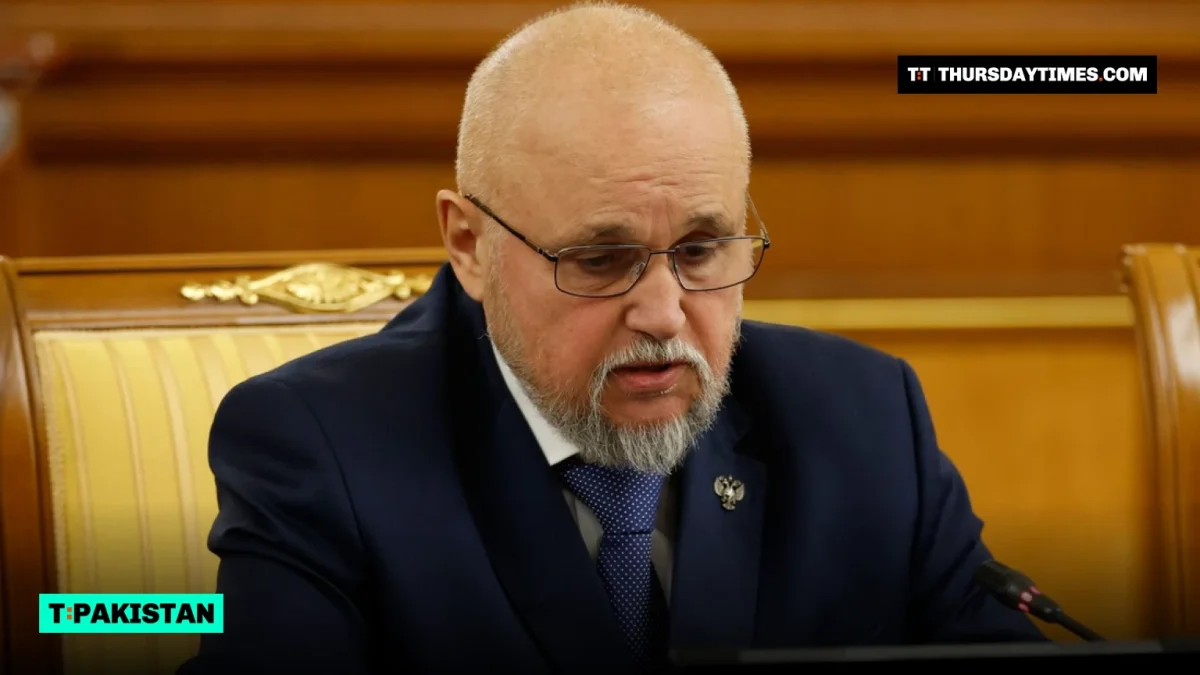
The figure came from the Russian side after Energy Minister Sergei Tsivilev chaired a meeting of Russian officials and companies to review preparations for the session. Tsivilev co-chairs the commission with Pakistan’s Federal Minister for Power, Awais Leghari.
“We expect the upcoming session to consolidate the results achieved, identify new areas for growth and provide additional momentum to the development of joint projects,” Tsivilev said.
The agreements cover energy, trade, transport, industry, healthcare, agriculture, education, and disaster management, the statement said.
Hydropower, steel, and insulin
Energy took up much of the discussion. The two sides looked at improving energy efficiency, deploying energy storage systems, supplying Russian energy resources to Pakistan, building new hydropower plants, and modernising existing ones. Protecting energy infrastructure from cyber attacks was also on the agenda.
On industry, the meeting discussed a revival of the steel mills in Karachi, which were built with Soviet help and have not produced steel since 2015. In healthcare, the two sides explored producing Russian insulin in Pakistan.
For transport, maritime shipping and wider cooperation on the International North–South Transport Corridor, which links Russia to the Indian Ocean through Central Asia and Iran, were named as promising areas.
Trade talks and students
A research group set up this year is studying whether the Eurasian Economic Union, the Moscow-led trade bloc, and Pakistan could sign a free trade agreement, and both countries plan to keep working on it, the statement said.
Farm trade between the two countries has risen 17 per cent, and Russian exports of finished agricultural products to Pakistan are growing. Mineral fertilisers, crop breeding, scientific exchanges, and the possible supply of veterinary vaccines were listed as areas for more work.
About 1,400 Pakistani students enrolled at Russian universities and colleges in the 2025–26 academic year, twice the number in 2023. The two sides are drafting education agreements that include the mutual recognition of degrees, and an Open Education Centre in Islamabad already offers Russian-language courses.
Russia’s emergencies ministry took part in joint exercises with Pakistan in January on responding to forest fires, avalanches, and heavy snowfall. Russian rescue teams also helped in relief work after the 2005 earthquake.
Closing the meeting, Tsivilev said the priority was to put the most promising areas of cooperation into practice and prepare concrete proposals for the Moscow session.
The commission’s 10th session was held in Islamabad in November last year and ended with the signing of several memorandums of understanding.