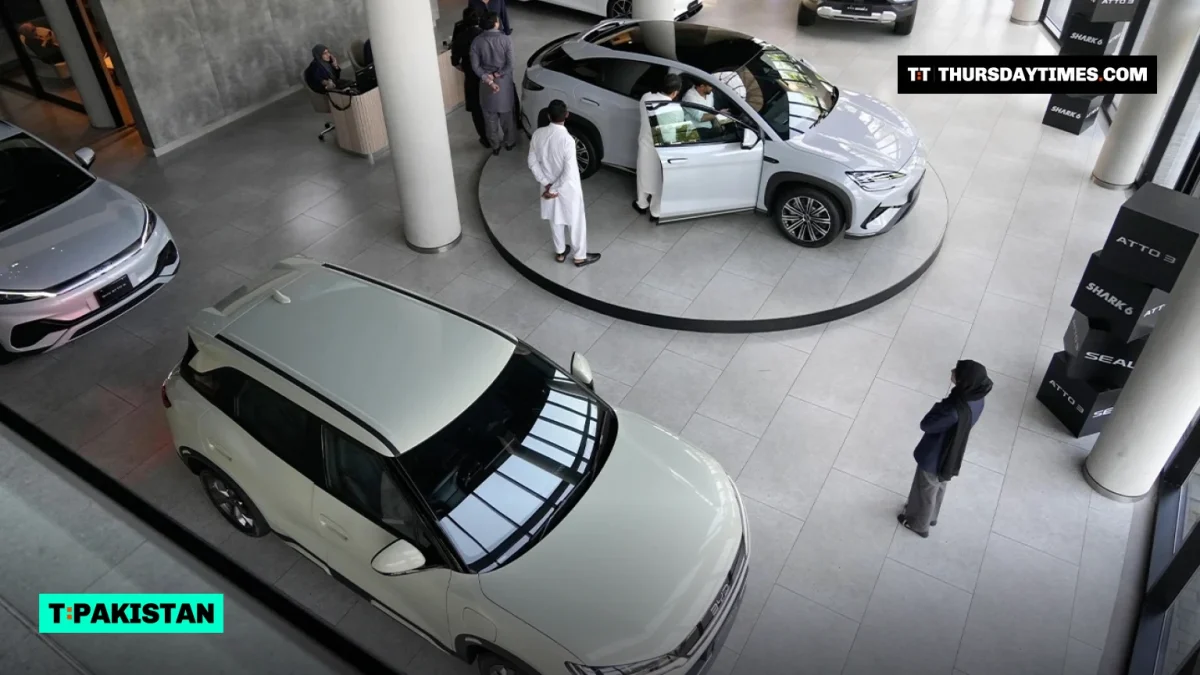
ISLAMABAD (The Thursday Times) — Pakistan’s new auto policy sets a target of about $6 billion in vehicle and parts exports between 2026 and 2031 and makes the use of locally made parts compulsory, Haroon Akhtar Khan, the prime minister’s adviser on industries and production, said on Wednesday.
Chairing a meeting on putting the Autos and Auto Parts Manufacturing Policy 2026-31 into effect, Khan said domestic manufacturing would sit at the centre of the export drive, with the aim of turning the country’s car industry into an export hub.
Parts makers are expected to deliver 55 per cent of the export target, about $3.29 billion, and carmakers the remaining 45 per cent, about $2.72 billion. The government also expects local production to save about $17.7 billion in foreign exchange over the five years, compared with importing finished vehicles.
Help for parts makers
Khan said about 2,200 local auto parts manufacturers would get special support, including a Rs2.1 billion programme to upgrade their technology and production capacity. He said the policy would also put idle factory capacity in the industry to use.
The prime minister has approved the policy after the International Monetary Fund raised no objection to the draft, according to officials. The government plans to take a money bill to Parliament once the federal cabinet has signed off, they said.
Penalties for missed targets
Carmakers that miss their export and localisation obligations face fines of 1 to 3 per cent of their annual factory-gate sales under the policy, and two consecutive years of failure can cost a manufacturer its certificate, except in cases of force majeure.
The policy was first set out on November 7, when the government said it would bring down the price of most vehicles and push electric cars by cutting duties on cars and parts every year for five years.