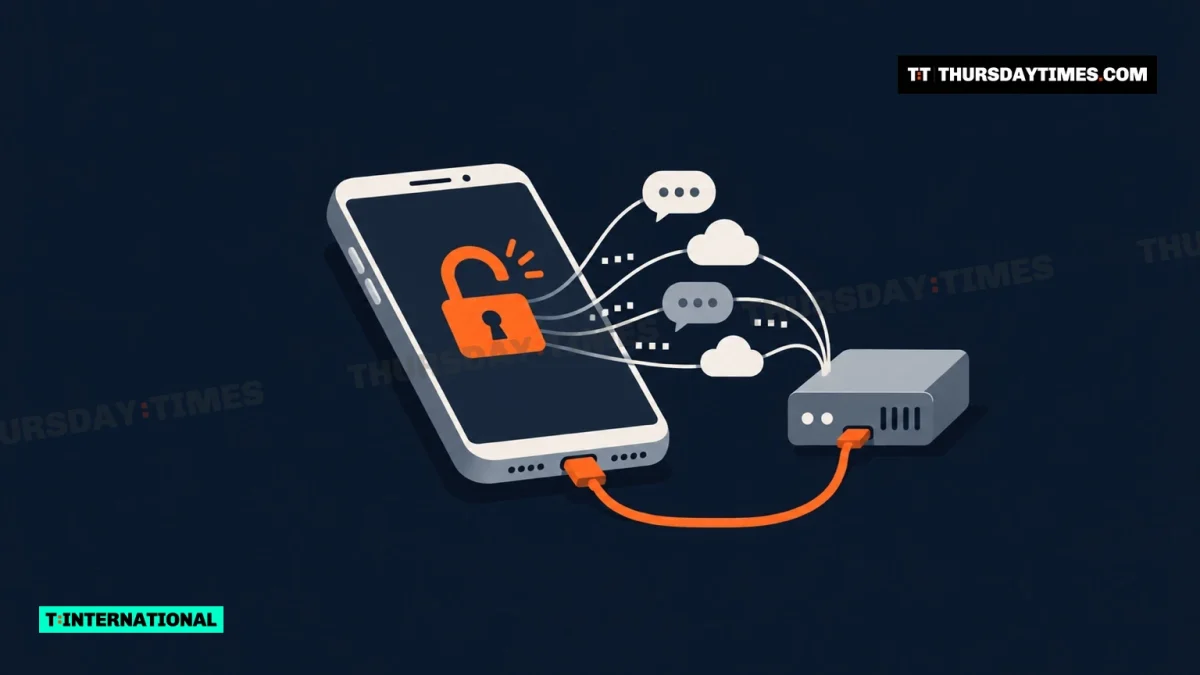
NEW DELHI (The Thursday Times) — India’s Home Minister Amit Shah approved exemptions from the country’s Make in India procurement rules that let federal agencies buy foreign phone-cracking and forensic tools, including products made by the Israeli company Cellebrite, according to an investigation by the digital-rights group Internet Freedom Foundation.
The group says a Home Ministry letter dated January 7 records Shah’s approval of a one-year waiver covering 422 forensic items for the National Forensic Sciences University and the country’s central forensic laboratories. By its count, 118 of them are digital forensics tools, including three Cellebrite products listed at about ₹6 crore to ₹7.5 crore each.
A second letter, dated January 20, records a one-time exemption for the National Investigation Agency to buy Cellebrite’s Premium tool on a three-year licence. The agency’s bid on the government’s procurement portal names Shah as the authority who waived the rule, and the contract was awarded for just under ₹5 crore, the group said.
Questions over safeguards
Under the procurement order, government buyers must prefer Indian-made products unless the minister in charge approves an exemption. The agency’s stated reason was that no other company made software with the same name and specifications. The group says nothing in the records shows that anyone tested whether an Indian product could do the same job.
Specifications attached to the bids require tools that can use login tokens stored on seized phones or computers to get into more than 100 cloud services, from messaging apps to dating platforms, the group says. “India has no statute, rule or published protocol governing the forensic extraction of a person’s phone,” it wrote.
The group said it had not seen the minister’s own note and has sought it under the Right to Information Act. Its account rests on the ministry’s letters and the agencies’ published bids.
A separate report found that states governed by the opposition Congress party, including Karnataka, Himachal Pradesh, and Kerala, have also bought similar phone-extraction tools.
A gap the Supreme Court has flagged
India’s Supreme Court is hearing a case on the seizure of digital devices. In November 2023, judges told the federal government it “must have better guidelines”, and the government said its agencies would follow the Central Bureau of Investigation’s crime manual until rules were framed.
Rights groups have documented the use of Cellebrite tools against journalists and activists in countries including Serbia and Kenya. The Home Ministry has not publicly responded to the findings.