
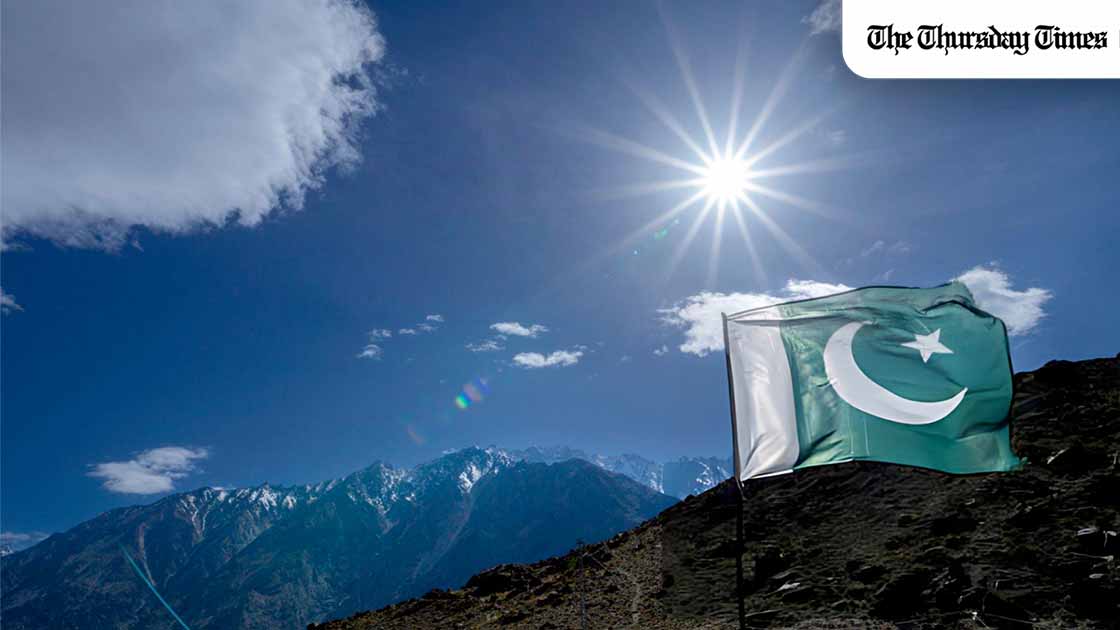
LONDON (The Thursday Times) — Britain has removed Gilgit-Baltistan from the list of Pakistani regions it advises travellers to avoid except for essential journeys, easing a longstanding restriction on one of South Asia’s most dramatic mountain destinations and signalling a modest shift in London’s assessment of conditions in the north.
Read our latest travel advice update for #Pakistan: FCDO no longer advises against all but essential travel to Gilgit-Baltistan. Updated information about regional tensions and upcoming elections in Gilgit-Baltistan region https://t.co/wmYZzIhLtQ pic.twitter.com/0LurwwPXm9
— FCDO Travel Advice (@FCDOtravelGovUK) April 15, 2026
The change appeared in updated travel guidance issued by the U.K. Foreign, Commonwealth & Development Office, which no longer places Gilgit-Baltistan itself under the category of areas where travel is discouraged except when necessary. The move is likely to be closely watched by tour operators, insurers and members of the Pakistani diaspora, for whom official travel advisories often shape practical decisions as much as security perceptions.
Gilgit-Baltistan, home to some of the world’s highest peaks and a gateway to the Karakoram range, has long occupied a complicated place in foreign travel guidance. Admired internationally for its landscapes, trekking routes and alpine culture, it has also been subject to caution because of remoteness, infrastructure limitations, weather disruption and periodic unrest.
The revised British advice does not amount to a blanket endorsement of unrestricted travel. Officials continue to warn of potential demonstrations linked to regional elections, transport delays, severe weather, landslides and the limited emergency capacity common to isolated mountain areas. Flights into Gilgit and Skardu can be cancelled at short notice, while roads remain vulnerable to closures caused by rockfall and snow.
For Pakistan, however, the symbolism is difficult to ignore.
Islamabad has sought for years to present the northern territories as stable, welcoming and increasingly open to international tourism. Successive governments have promoted trekking, climbing and eco-tourism in the region, while domestic travellers have driven a surge in summer visitor numbers. British recognition that conditions no longer warrant the previous level of warning may be welcomed as validation of those efforts.
The decision could carry commercial consequences beyond diplomacy. Travel insurers frequently use FCDO guidance when determining whether cover applies, and some organised travel companies automatically avoid destinations subject to “all but essential travel” notices. Removal from that category can therefore translate into easier bookings, broader insurance access and renewed interest from overseas visitors.
For residents of Gilgit-Baltistan, where tourism supports hotels, guides, transport operators and seasonal businesses, any softening of foreign advisories may offer hope ahead of the coming travel season. International visitors, though still modest in number compared with domestic tourists, tend to stay longer and spend more.
The shift also reflects a broader reality in modern travel diplomacy: official warnings are not static judgements but moving calculations, balancing security, infrastructure, political tensions and practical risk.