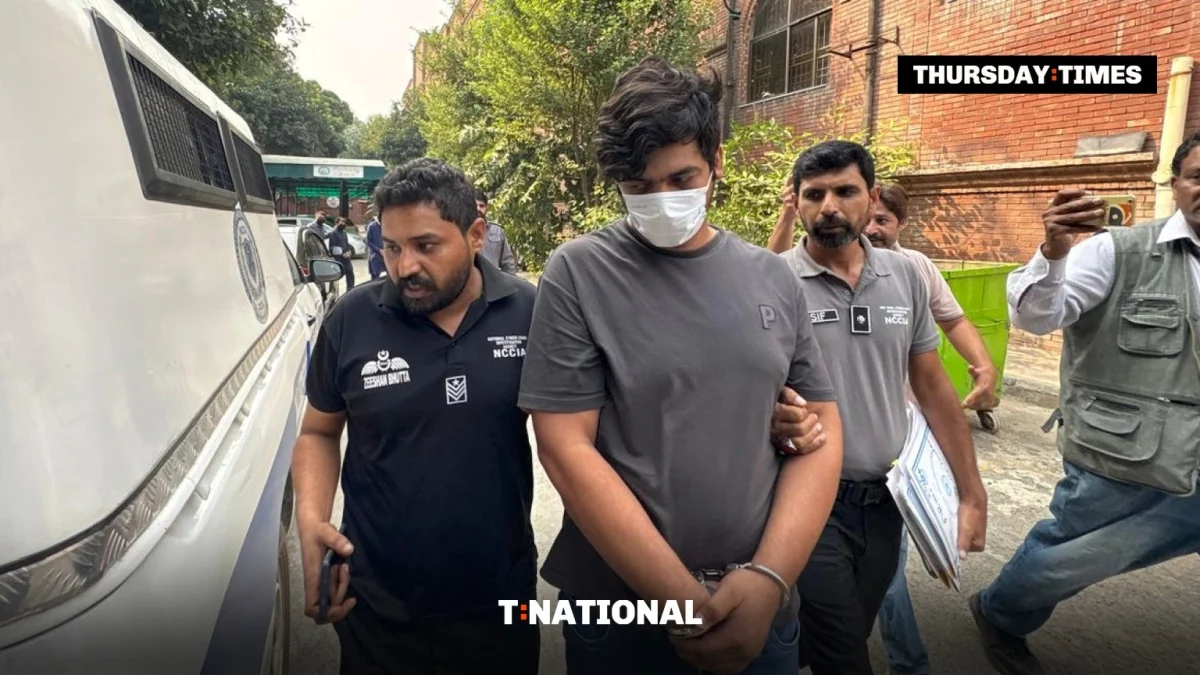
LAHORE (The Thursday Times) — Pakistan’s National Cyber Crime Investigation Agency has arrested a man wanted in the United States over a counterfeit postage scheme that prosecutors say cost the US Postal Service more than $126 million, or about Rs35 billion.
Faheem Akram, 33, from Khanewal in Punjab, is accused of running LabelsBank.com, a website that sold fake US postage labels. The NCCIA said he had been “selling fake stamps via a fraudulent website since 2023”.
$2 a label
According to a federal indictment returned in Florida last month, the site sold more than 5.1 million counterfeit shipping labels to over 5,000 customers. The labels were typically priced at about $2 each, whatever the parcel’s weight, size or destination, a fraction of what real postage would have cost. Prosecutors say the scheme caused more than $126 million in lost revenue and shipping costs for the Postal Service.
Akram faces one count of conspiracy, five counts of making and selling counterfeit postage labels and four counts of wire fraud. He is presumed innocent unless proven guilty. The US Postal Inspection Service had issued a wanted notice for him and offered a reward of up to $100,000 for information leading to his arrest and conviction.
Ten-day hunt
The NCCIA said Akram was picked up after a 10-day “specialised locator operation” in which investigators questioned 47 people and analysed 122 call records. It said 16 bank accounts belonging to his family, including his brother, wife, sister and maternal aunt, had been used to move money from the scheme.
“A case has been registered, and further investigations are underway,” the agency said, adding that it had “a zero-tolerance policy against those involved in cybercrimes and digital fraud.”
NCCIA Director General Syed Ali Nasir Rizvi reviewed the operation with senior officers from the agency’s Lahore office and praised their work, directing them to keep up operations against cybercriminals. Protecting citizens from financial fraud, online scams and other cybercrime was a core responsibility of the agency, he said.
The agency has not said whether Akram will be handed over to the United States.∎