ISLAMABAD (The Thursday Times) — The UAE-based MENA Fintech Association has set up a Pakistan chapter, linking the country’s banks, fintech start-ups, regulators and policymakers to a network that spans 22 markets across the Middle East and Africa.
The association, known as MFTA, says it works with central banks, regulators and financial institutions and has more than 50,000 members. Pakistan joins its chapters in the UAE, Saudi Arabia, Bahrain, Jordan, Iraq, Egypt and Africa.
MFTA said the move followed the World Bank’s decision to group Pakistan with the Middle East and North Africa. The bank now runs Pakistan and Afghanistan out of a combined Middle East, North Africa, Afghanistan and Pakistan region, and the association said that reflected how closely Pakistan’s economy is already tied to the Gulf.
“Pakistan represents a significant and timely expansion of the MFTA network,” said Nameer Khan, the association’s chairman. “The World Bank’s inclusion of Pakistan in the MENA region reflects a broader realignment that is already visible in trade flows, financial connectivity and institutional engagement.”
He said Pakistan had “a large and evolving financial services sector, meaningful digital asset activity, and a policy environment that is actively engaging with the direction of regional and global finance,” and that the association’s job was to connect it to regulators, institutions, investors and innovators across its 22 markets.
What the Pakistan chapter will do
The chapter will bring together policymakers, regulators, financial institutions, fintech companies and investors, and will support dialogue, exchanges and partnerships aimed at developing Pakistan’s financial services industry and taking it abroad.
“Pakistan’s financial ecosystem has much to contribute to regional development and innovation,” said Imran Khan, the chapter’s co-chair, who shares his name with the jailed former prime minister. He said the chapter would give the private sector, policymakers and public institutions a platform to share expertise, explore shared priorities and build relationships.
A push towards the Gulf
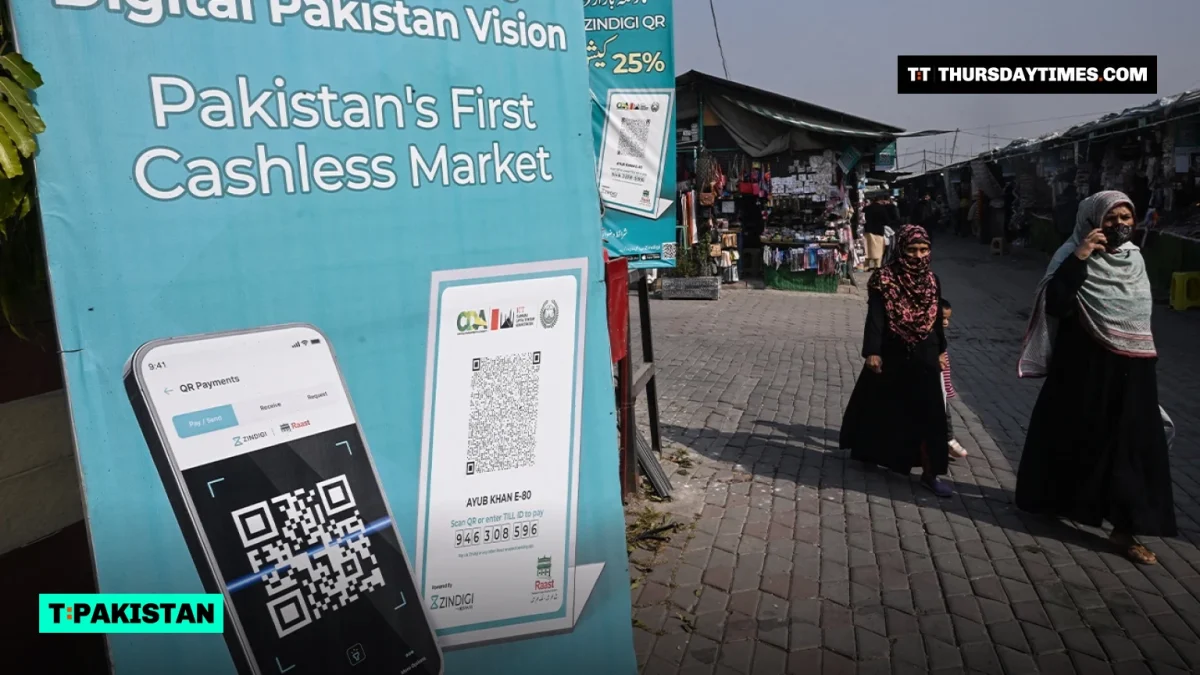
Pakistan has been trying to draw more Gulf money into its financial sector and to move more of its economy away from cash. Islamabad opened what officials called the country’s first cashless market last year, and Kuwait has put $100 million behind a digital bank in Pakistan. Millions of Pakistani freelancers are also paid from abroad, a market that has grown fast as payment links have improved.