ISLAMABAD (The Thursday Times) — Pakistan’s power regulator has notified a revised rate of Rs25.30 a unit for extra electricity used by factories and farms, up from Rs22.98, even though two of its four members opposed the decision and called for the scheme to be suspended.
The National Electric Power Regulatory Authority (Nepra) published its November 6 decision on the incremental consumption package in a statutory regulatory order in the Gazette of Pakistan on Thursday, along with dissent notes from members Amina Ahmed and Maqsood Anwar Khan and the casting vote of chairman Waseem Mukhtar.
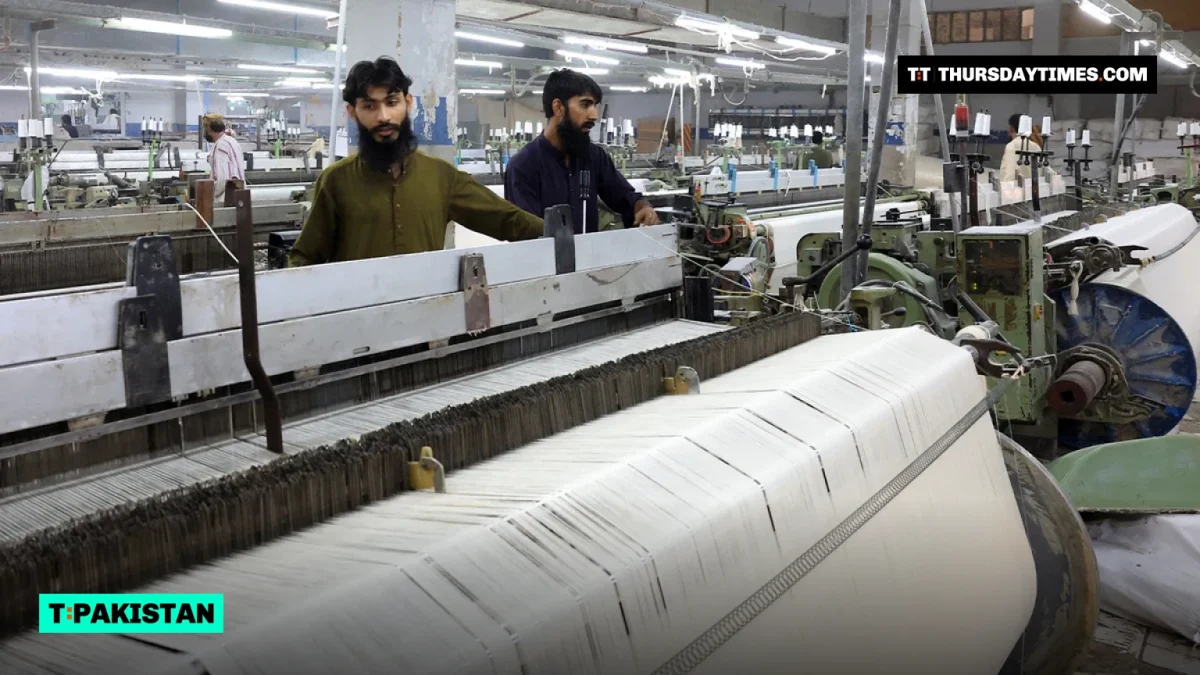
The package, approved by the federal cabinet in November 2025 and introduced in December, lets industrial and agricultural consumers pay a lower rate on electricity they use above their usual consumption. It is meant to bring industrial demand back to the grid and use idle generating capacity. Under its terms, the rate must cover at least the marginal cost of supplying the extra power, so that other consumers do not carry the cost, and it must be reviewed every six months.
The authority split 2-2. Mukhtar and Member (Law) Ghulamullah Shaikh backed keeping the package at Rs25.30, the rate proposed by the Ministry of Energy. Ahmed and Anwar called the figure a “random number” unsupported by evidence, said Nepra’s own calculations put the marginal cost at Rs31.83 a unit, and recommended suspending the package until the Power Division submits a review backed by verifiable data.
The two members said that while the rate stayed below cost, the gap was recovered from all consumers through monthly fuel cost adjustments, and that leaving incremental units out of quarterly adjustments raised the burden on consumers who do not use the package.
All four members held the Power Division and the agencies under it responsible for failing to submit revised calculations that were due six months ago. In his casting vote, Mukhtar said the dissenting members’ conclusions “need serious consideration”, but that suspending the package now would not be appropriate and the ministry should get another chance to provide the data. The determination sets new deadlines and warns that missing them could lead to the package being suspended or ended, and to legal proceedings.
Industrial consumers have objected that the below-cost rate has pushed up fuel cost adjustments for every category of consumer, and Karachi’s SITE Association of Industry has called for the package to be suspended.
The Power Division has rejected reports that the industrial tariff has gone up. A spokesperson said Rs25.30 was the revised marginal rate under the package, not the industrial tariff, which averaged Rs34.40 per kilowatt-hour in October before taxes and is about Rs18.94 a unit lower, including taxes, than in March 2024. The spokesperson said marginal generation costs had risen because of the regional war, and that the revised rate takes effect from November.
Between December 2025 and September 2026, the package covered 6,940 gigawatt-hours of extra consumption and passed on an estimated Rs43.5bn in benefit, the spokesperson said. Of 518,316 eligible consumers, 209,335, or about 40 percent, have used it.
The decision comes as the power system is under strain. The shortfall widened to 1,500MW this week after an incident at Tarbela.