BEIRUT (The Thursday Times) — More than one million people in Lebanon, about a fifth of the population analysed, are facing crisis levels of hunger or worse, and the number is set to rise to 1.15 million by the middle of next year, according to a new assessment by Lebanon’s agriculture ministry and two UN agencies.
The analysis, carried out in September by the Ministry of Agriculture with the Food and Agriculture Organization (FAO) and the World Food Programme (WFP), projects that 1.05 million people, or 21 per cent, will face Crisis or worse levels of acute food insecurity between September 2026 and February 2027. That includes 52,000 people in Emergency conditions, the level just below famine on the scale.
By mid-2027, the number in Crisis or worse is expected to reach 1.15 million, or 24 per cent, while those facing Emergency conditions are projected to almost double to 97,000.
Families running out of options
The agencies said the figure was lower than the peak projected in April, at the height of the displacement caused by this year’s war, but warned that this should not be read as a lasting improvement. Jobs remain scarce, savings have run out, debt is high, and the cost of food, fuel, and other essentials is still straining household budgets.
“Behind these figures are families running out of options,” said Allison Oman Lawi, the WFP’s country director in Lebanon. “When families have nothing left to fall back on, even a small additional shock can push them deeper into crisis.”
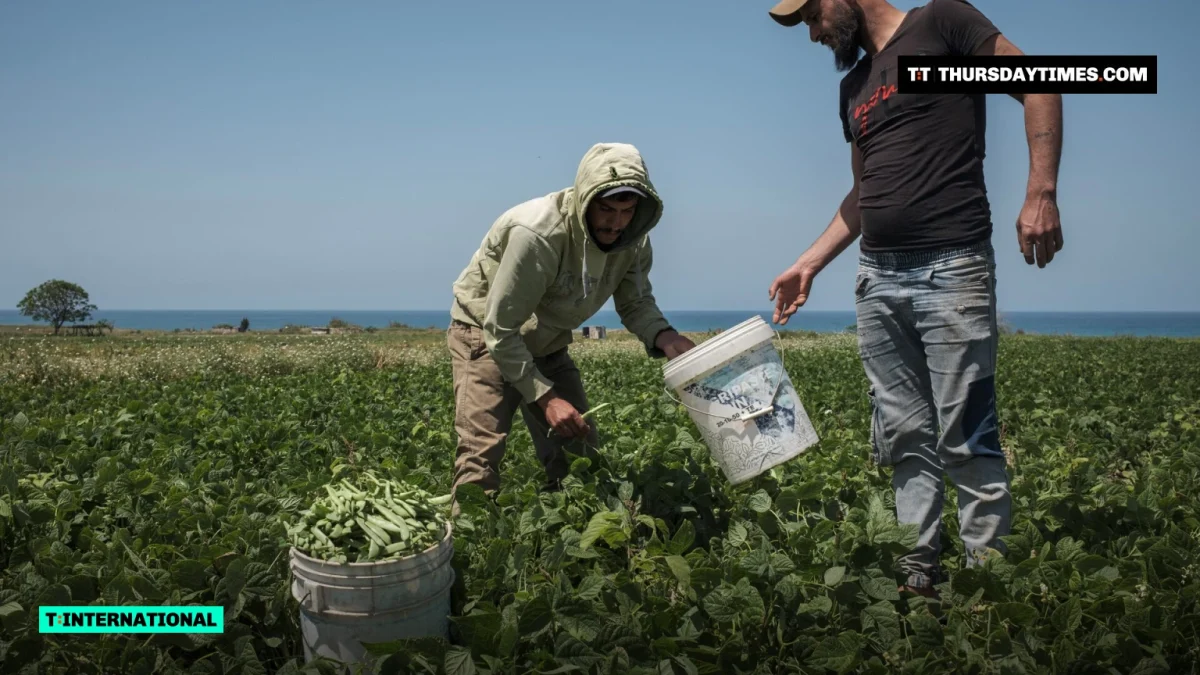
Conditions are worst in conflict-hit districts of southern Lebanon and in Akkar and Baalbek-Hermel, where damaged farmland, restricted access to fields, and high production costs have hit rural incomes. Among Lebanese residents, 686,000 people are currently affected, while the rates are higher among long-staying Syrian refugees, at 28 per cent, and Palestine refugees, at 35 per cent. People who arrived from Syria after December 2024 are the worst off, at 45 per cent.
Two wars and an unfinished recovery
Lebanon’s authorities put the cost of two wars between Israel and Hezbollah since October 2023 at about $27 billion. The latest, which began in March, displaced more than a million people; about 300,000 remain displaced since the fighting eased in June under a US-brokered framework deal, though Israeli forces still occupy land in the south.
Agriculture Minister Nizar Hani called for “a coordinated national response that addresses urgent food needs while protecting livelihoods and restoring productive capacity.” The country is still seeking an IMF bailout, which depends on reforms it has yet to carry out.