ISLAMABAD (The Thursday Times) — A new assessment by the UN Food and Agriculture Organization (FAO) warns that water demand in Punjab already exceeds supply across all sectors, with groundwater being drawn down by about 5.5 billion cubic metres a year.
The findings appear in a report titled Water and Land Accounting in Punjab, which is based on annual water accounts for five water years, from 2012 to 2017. The FAO sought advice from water specialists, including former Wapda chairman Shamsul Mulk and former Irsa chairman Rao Irshad Ali Khan.
The report estimates that Punjab needs an additional 10 billion cubic metres of usable water every year to close the gap between supply and demand and to sustain its groundwater aquifer. It says the gap is especially acute in urban areas, where access to freshwater is limited and groundwater reserves are declining.
Pressure on farms and rivers
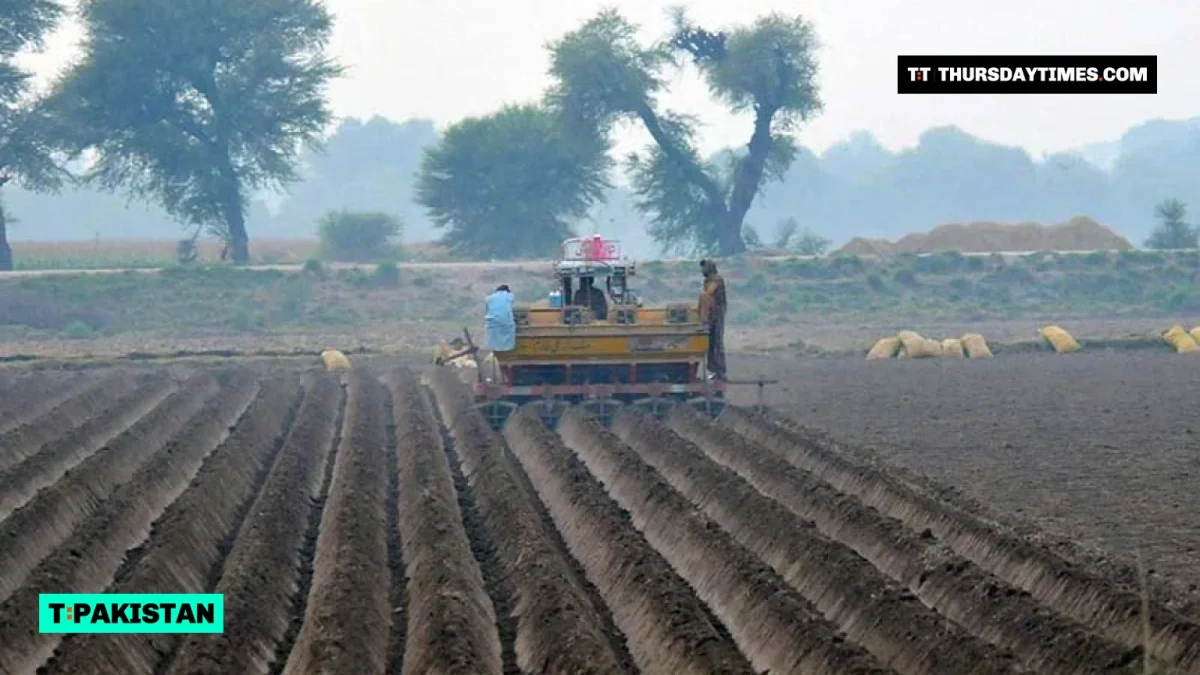
Agricultural production is increasingly at risk from water stress and the depletion of groundwater storage, the report says. Freshwater shortages have led to greater reliance on recycled low-quality water, while pollution from agro-chemicals and urban wastewater has intensified.
It says river flows through Punjab have fallen by about 30 billion cubic metres since the 1960 Indus Waters Treaty with India, and that the province has only 1.7 per cent of wetland area. Punjab’s canal system works as a run-of-the-river system for half the year and cannot draw its full authorised share of river water, the report adds.
A water commission proposed
The FAO strongly recommends a commission to carry out a one-time review of provincial water resources, water-related policies, institutional mandates, and existing strategies. Its tasks would include keeping national and inter-provincial policies consistent, assessing the impact of transboundary water projects, identifying overlapping responsibilities, and projecting water and land demand to 2050.
The report also proposes a provincial coordination cell within the Planning and Development Department for day-to-day work. It calls for ways to increase surface water, improve groundwater recharge, and develop provincial mechanisms for inter-seasonal water transfers.
It identifies shortcomings in data collection and in consolidating information, and recommends extending the land-use classification system to cover the whole province. Because the accounts cover 2012 to 2017, the figures describe that period rather than this year.