BAGHDAD (The Thursday Times) — Iraq’s Federal Supreme Court ruled on Wednesday that the central government can deploy troops along the country’s international borders, including those in the semi-autonomous Kurdish region, backing a push by Prime Minister Ali al-Zaidi to curb oil smuggling.
The ruling came a day after al-Zaidi ordered federal forces to take over Kurdish-run border crossings and demanded authority over oil fields held by Kurdish security forces. The Kurdistan Regional Government denounced the order as “an assault” on the region’s constitutional rights.
According to state television, the court also said federal authorities can oversee the agencies working at all border crossings, including those in northern Iraq, although they must coordinate with regional and provincial governments on customs administration. It said the federal oil ministry can oversee and audit oil and gas fields, while Baghdad shares responsibility for managing what they produce with regional governments and producing provinces.
The government has not said how or when any takeover would be carried out.
Smuggling claims and Kurdish pushback
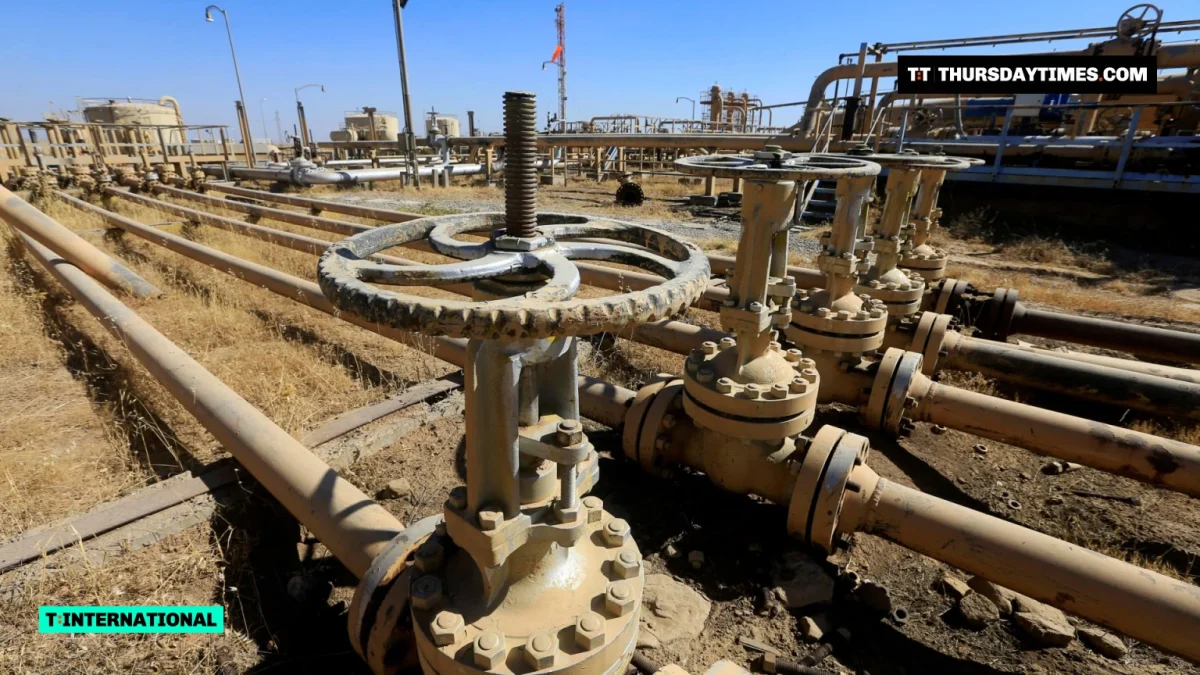
Iraq’s state news agency, citing a federal government intelligence report, said oil belonging to the state-owned North Oil Company was being diverted and smuggled from Kirkuk and from Sulaimaniyah in the Kurdish region to Iran, and onward to Afghanistan.
The Kurdistan Regional Government rejected what it called “military language and threats” in an Iraqi military statement announcing the new measures. It said it was working with federal authorities to fight corruption and called for an end to oil smuggling across Iraq.
The campaign comes a week after al-Zaidi moved against Kataib Hezbollah, an Iran-aligned Shia militia, over similar smuggling allegations. The group first answered with defiance but let Iraqi forces into Jurf al-Sakhar under a compromise brokered by Shia politicians.
Renad Mansour of the Chatham House think tank said Iraq’s judiciary was “very much supportive” of the government’s drive to build a more centralised political order. A senior Shia politician close to al-Zaidi said the prime minister wants to dismantle a “state within a state” by restraining armed factions above state authority and setting clearer limits on what the Kurdish region controls in strategic economic and security matters.
Analysts say the ruling looks like a win for al-Zaidi, but that moving against the Kurdish region and the heavily armed Shia militias loyal to Iran will be hard to carry out.