NEW YORK (The Thursday Times) — About 47,000 women and girls were killed by an intimate partner or a family member in 2025, which works out at five every hour, according to figures released by the United Nations on Tuesday. Partners and relatives were behind 60 percent of the roughly 78,000 intentional killings of women and girls worldwide last year.
The numbers come from the 2026 Femicide Brief, published by the UN Office on Drugs and Crime and UN Women ahead of the International Day for the Elimination of Violence against Women on 25 November. The 47,000 total is lower than the 2024 estimate of 50,000, but the agencies said that drop is largely down to better data rather than a real fall in killings.
Where the risk is highest
Africa had the highest rate of killings by partners or family members, at 2.9 victims per 100,000 women, followed by the Americas at 1.4, Oceania at 1.1, Asia at 0.6, and Europe at 0.5. The UN said homicide rates overall have fallen faster than femicide rates. Between 2010 and 2025, homicides fell nearly twice as fast as femicides in the Americas, and about 1.5 times as fast in Europe.
“Frightening attitudes, social norms, and the failure of institutional safeguards create an environment in which killing a wife, daughter, mother, or sister becomes ‘tolerable’,” said Monica Juma, executive director of UNODC.
Few women report abuse
A separate UN Women report, Access to Justice for Women Survivors of Violence, draws on data from 54 countries. It estimates that 840 million women and girls have experienced physical or sexual violence in their lifetimes, yet only 23 percent of survivors seek help from family, their communities, or the authorities. Between 63 and 97 percent of reported cases do not end in a conviction, according to Kalliopi Mingeirou of UN Women.
Reporting rates vary by region. Just 16 percent of survivors in Asia seek help, compared with 31 percent in Africa and 40 percent in Latin America and the Caribbean. In the European Union, 64 percent confide in someone close to them, but only 14 percent go to the police.
Violence is also moving online. UN Women said 70 percent of women in public life it surveyed, including rights defenders, activists, and journalists, had experienced it, and that AI tools can now produce deepfake images of women’s bodies in seconds.
“The silence is getting louder in most countries where we have tracked it over time. Fewer women are seeking help today than before. We are going backwards,” UN Women Deputy Executive Director Nyaradzayi Gumbonzvanda told journalists at UN headquarters in New York. She urged police to take complaints and investigate, and courts to hear survivors “without putting them on trial”.
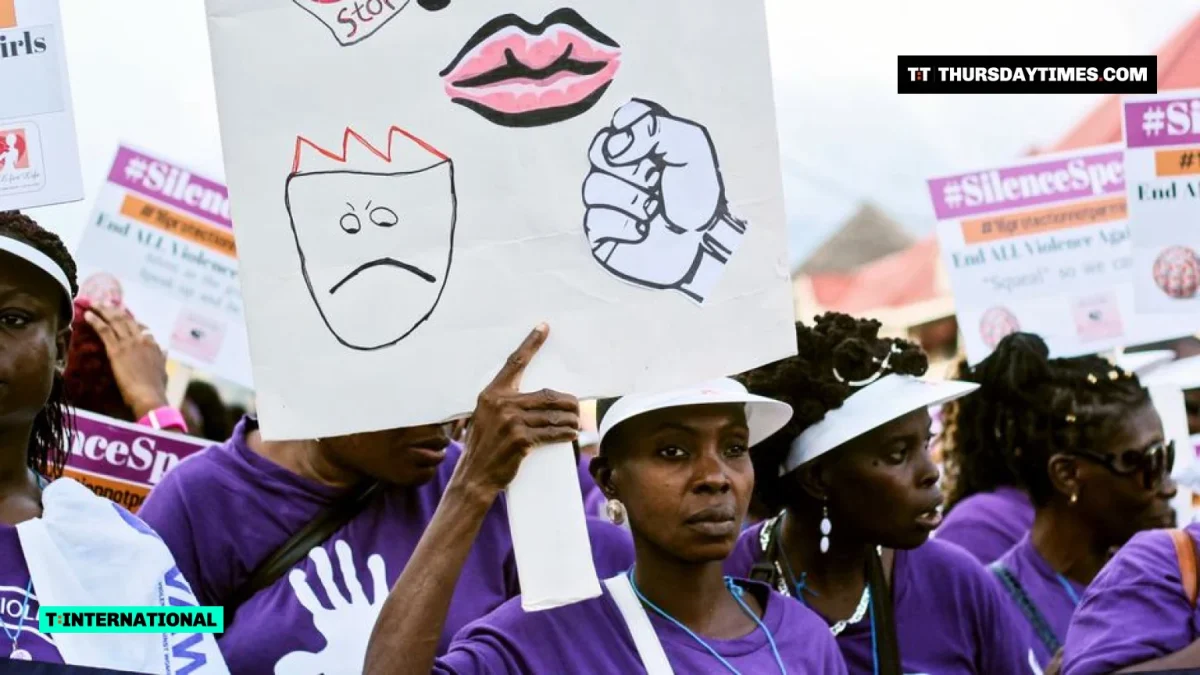
The 25 November day opens the annual 16 Days of Activism against Gender-Based Violence, which runs until Human Rights Day on 10 December. This year’s theme is “UNiTE to End Violence Against Women and Girls: Ensure Justice, Protect Survivors, End Impunity”.