Pakistan, Saudi, Turkiye military chiefs meet in Riyadh
Pakistan's Asim Munir, Turkiye's Selçuk Bayraktaroğlu, and Saudi Arabia's Fayyadh Al-Ruwaili held urgent talks in Riyadh under the Makkah Alliance amid escalating regional security threats.
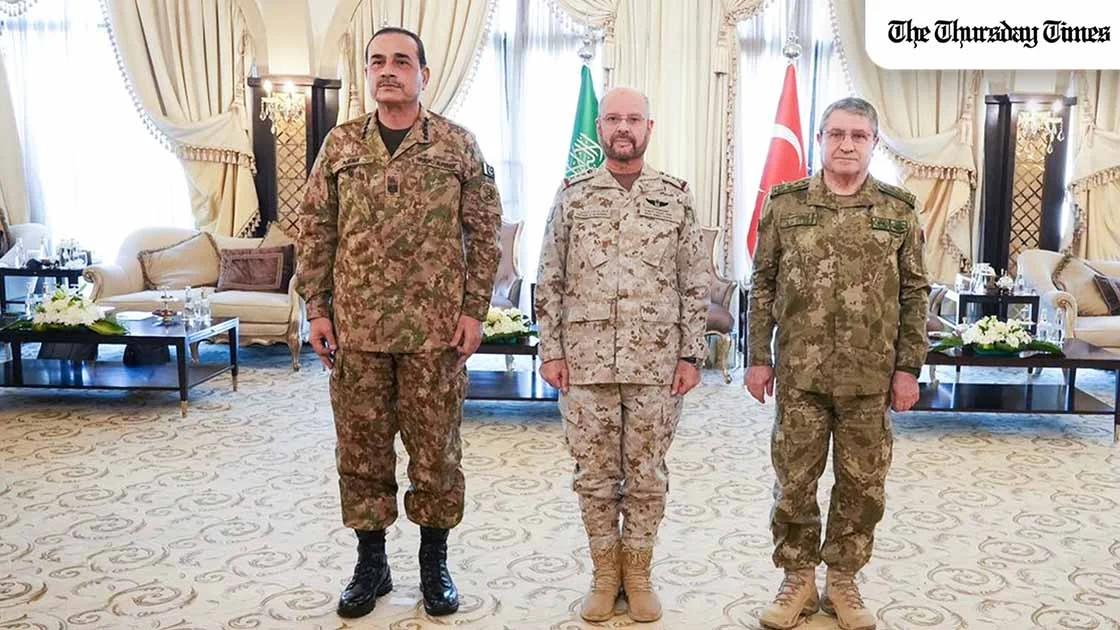
Pakistan's Asim Munir, Turkiye's Selçuk Bayraktaroğlu, and Saudi Arabia's Fayyadh Al-Ruwaili held urgent talks in Riyadh under the Makkah Alliance amid escalating regional security threats.
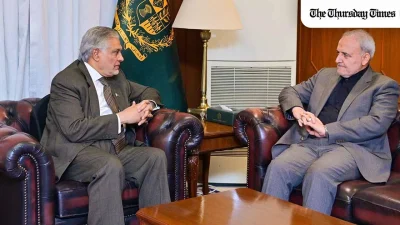
Iranian Ambassador Reza Amiri Moghadam praised Deputy Prime Minister and Foreign Minister Ishaq Dar and Pakistan’s career diplomats for their role in facilitating, coordinating and preparing diplomatic talks.
Pakistan is working against a rapidly closing deadline to revive U.S.-Iran diplomacy before the current truce expires. But fresh escalations at sea, conflicting public messages and Iran’s refusal to negotiate under pressure are making Islamabad’s peacemaking effort far more difficult.
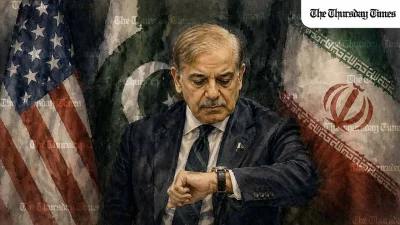
From calls with Tehran and Gulf capitals to ceasefire diplomacy and marathon talks in Islamabad, Pakistan has inserted itself into the most delicate phase of the U.S.-Iran crisis and emerged as an unlikely broker of dialogue.
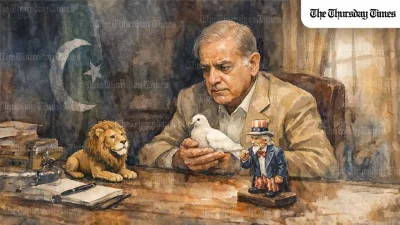
The Islamabad Talks were never designed to deliver an instant grand bargain between Washington and Tehran. Their significance lies in something more foundational: they preserved the ceasefire, brought both sides face to face, defined the central sticking point and opened the door to a second phase of diplomacy.

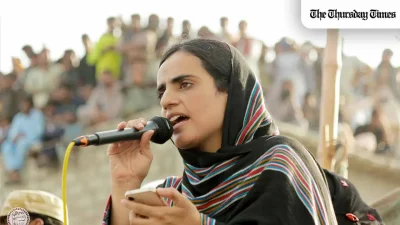
The Guardian was entitled to publish Mahrang Baloch’s testimony. But readers should read it for what it is: a partisan account, sharply written and emotionally potent, not a settled version of events.
دہلی میں ’’اے آئی سمٹ‘‘ کے دوران بھارتی وعدوں اور دھوکہ بازی کی واضح نمائش نظر آئی۔ بھارتی شہروں میں آلودگی، سڑکوں پر ٹریفک کی بندش، پانی و بجلی کے چیلنجز اور بےروزگاری کے مسائل میں آرٹیفیشل انٹیلیجنس عدم مساوات کو مزید گہرا کر سکتی ہے۔

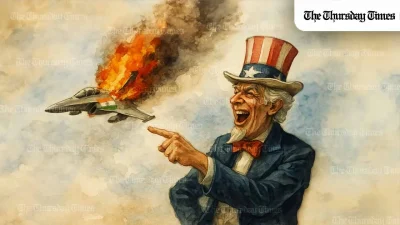
Pakistan did not just survive four days of high intensity conflict with India: it performed well enough that a United States report quietly called it a “military success.” For the first time in decades, India’s assumed conventional dominance met a Pakistan armed with modern systems, finding that punishment comes with real, unexpected costs.
Disgraced American financier and convicted sex offender Jeffrey Epstein’s connection to Imran Khan was not criminal, but social and ideological: he knew the Goldsmith world, watched Imran’s rise, and turned him into a private obsession.

Kabul’s protection of TTP commanders is not a glitch in the system; it is the system, a living covenant that weighs more than any clause signed in Doha. The Taliban in Afghanistan are no longer guests or leverage to be casually traded away; they have hardened into a parallel sovereignty that Kabul cannot fully control.