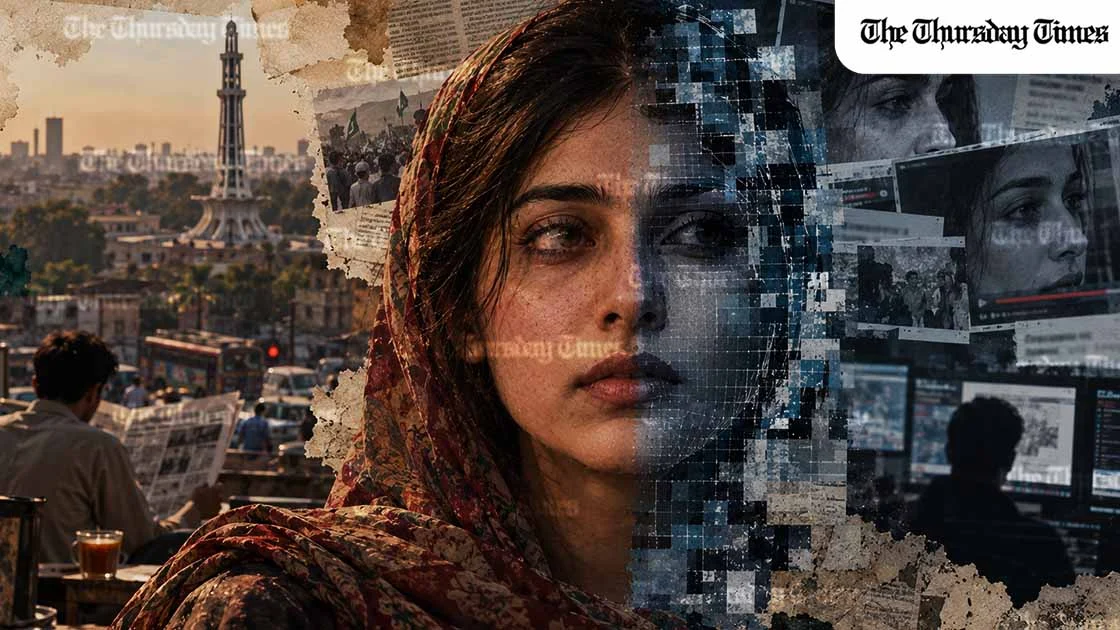
سدهها سال چالش اصلی، یافتن اطلاعات بود. امروز چالش این است که تصمیم بگیریم آیا اطلاعاتی که پیدا میکنیم شایستهٔ اعتماد ما هست یا نه. ما وارد عصری میشویم که در آن واقعیتها، تصاویر، صداها و روایتهای کامل را میتوان در چند ثانیه ساخت یا دستکاری کرد، و همین توانایی تشخیص حقیقت از جعل را روزبهروز مهمتر میکند.
هوش مصنوعی سرعت تولید اطلاعات را دگرگون کرده است. این فناوری در چند ثانیه میتواند یک مقاله بنویسد، یک تصویر بسازد، صدایی را تقلید کند، حجم عظیمی از مطالب را خلاصه کند یا پاسخی بدهد که بهطرز شگفتانگیزی معتبر به نظر میرسد. امکانات آن فوقالعاده است. اما شاید مهمترین پرسش عصر هوش مصنوعی این نباشد که ماشینها چه مقدار اطلاعات میتوانند به ما بدهند. پرسش این است: چه مقدار از آنچه دریافت میکنیم باید باور کنیم؟
خطر هوش مصنوعی اغلب در قالب اطلاعات نادرست مطرح میشود. اما شاید مشکلی عمیقتر هم در کار باشد: فرسایش خود اعتماد. اگر بتوان عکسها را ساخت، صداها را بازسازی کرد و ویدیوها را دستکاری نمود، مردم ممکن است سرانجام نهتنها به آنچه نادرست است، بلکه به آنچه درست است نیز شک کنند. یک ضبط صدای اصیل ممکن است مصنوعی خوانده شود. یک عکس واقعی ممکن است ساختگی نامیده شود. یک گزارش مستند ممکن است صرفاً به این دلیل رد شود که کسی گمان میکند ماشین آن را تولید کرده است. وقتی همهچیز را بتوان زیر سؤال برد، اثبات حقیقت دشوارتر میشود.
اینجاست که داوری انسان نه کماهمیتتر، بلکه مهمتر میشود.
As a journalist, I have experienced first-hand how easily an AI-generated response can turn a seemingly straightforward fact into an embarrassing error. An AI system can produce a polished answer with complete confidence while getting a basic detail wrong. For a journalist, that is not merely a technical glitch. Once that information reaches an audience, the responsibility belongs to the journalist and, ultimately, affects the credibility of the newsroom.
That is why journalism cannot simply become an exercise in copying information produced by machines. A journalist does not only ask, “What happened?” A journalist must also ask: Why did it happen? Who is saying it? What evidence supports it? What context is missing? What happened before this? And what does this development actually mean in the environment in which it is taking place?
Context matters. A journalist working in a particular country understands that a development cannot always be interpreted simply by reading what has been published online. There are local realities, institutional positions, historical circumstances and conversations taking place behind the headlines. Journalists speak to officials, experts and people directly involved in events. They ask follow-up questions. They observe reactions. They sometimes notice that what is being said publicly does not entirely match what they are hearing or seeing.
An AI system can process enormous amounts of information. But processing information is not the same as understanding its significance.
The 2026 Reuters Institute Digital News Report found that global trust in news had fallen to 37%, while 62% of respondents said they were concerned about misinformation online. It also found that 10% of respondents were using AI chatbots for news each week, while trust in news obtained from AI chatbots stood at 20% globally. These figures do not tell us that AI is inherently harmful. They do show that the relationship between technology, information and trust is already changing.
We may eventually have AI-generated news presenters who speak flawless English, never mispronounce a word, never lose their place and never appear tired. They may look perfect, sound perfect and deliver information with extraordinary efficiency. But perfection is not necessarily authenticity.
A human journalist pauses. A human being sometimes searches for the right word. A human voice can carry concern, surprise, hesitation or emotion. These imperfections are not necessarily weaknesses. They can be part of the connection between one human being and another.
If we begin replacing every human imperfection with artificial perfection, we should also ask what we are losing.
The question becomes even more important when we think about children growing up in this environment. What happens when a child spends years looking at perfectly generated faces, perfectly shaped bodies, perfectly edited lives and perfectly delivered voices? Will ordinary human beings eventually appear inadequate simply because they are human?
Real people grow older. They have wrinkles, scars, birthmarks and imperfections. They sometimes stumble over their words. They have bad days. They experience complicated emotions. They cannot be edited with a prompt.
And perhaps that is precisely what makes them real.
Technology should make human life easier, not make humanity itself feel obsolete.
This does not mean that we should reject artificial intelligence. That would be neither realistic nor desirable. AI can help us learn, research, analyse, create and solve problems in ways that were unimaginable only a short time ago. The challenge is not whether we should use AI. The challenge is whether we will remain in control of how we use it.
AI can assist a journalist, but the journalist should verify the information. AI can help analyse data, but humans should decide what that analysis means. AI can accelerate a task, but it should not automatically determine the judgement behind it.
Responsibility cannot rest with journalists alone. Technology companies, governments, educational institutions, schools, parents, media organisations and individuals all have a role to play in developing a society that knows how to question information without becoming cynical about everything.
The next generation will need more than digital skills. It will need critical thinking. It will need the ability to pause before sharing something, question a source, look for evidence and recognise the difference between something that is convincing and something that is true.
Perhaps this is the paradox of the AI age: the more intelligent our machines become, the more important human judgement may become.
We are entering an era of extraordinary information abundance. But information itself may become less valuable than the ability to establish its credibility.
The future will not simply belong to those who can produce the most information. It will belong to those who can distinguish information from knowledge, knowledge from judgement, and artificial perfection from human reality.
The task before us is not to choose between human judgement and artificial intelligence, but to ensure that technology remains a tool rather than becoming the authority. We can use AI to expand what we know and what we can create, while preserving the distinctly human ability to question, verify, understand context and make the final judgement. In an age when almost anything can be made to look or sound real, perhaps our greatest advantage will be knowing when to pause and deciding what deserves to be believed.