ROME — Italy’s government has approved a security decree creating a new offence of violent participation in a demonstration and making parents pay for damage caused by their children, after a weekend of riots and looting in Milan and other cities.
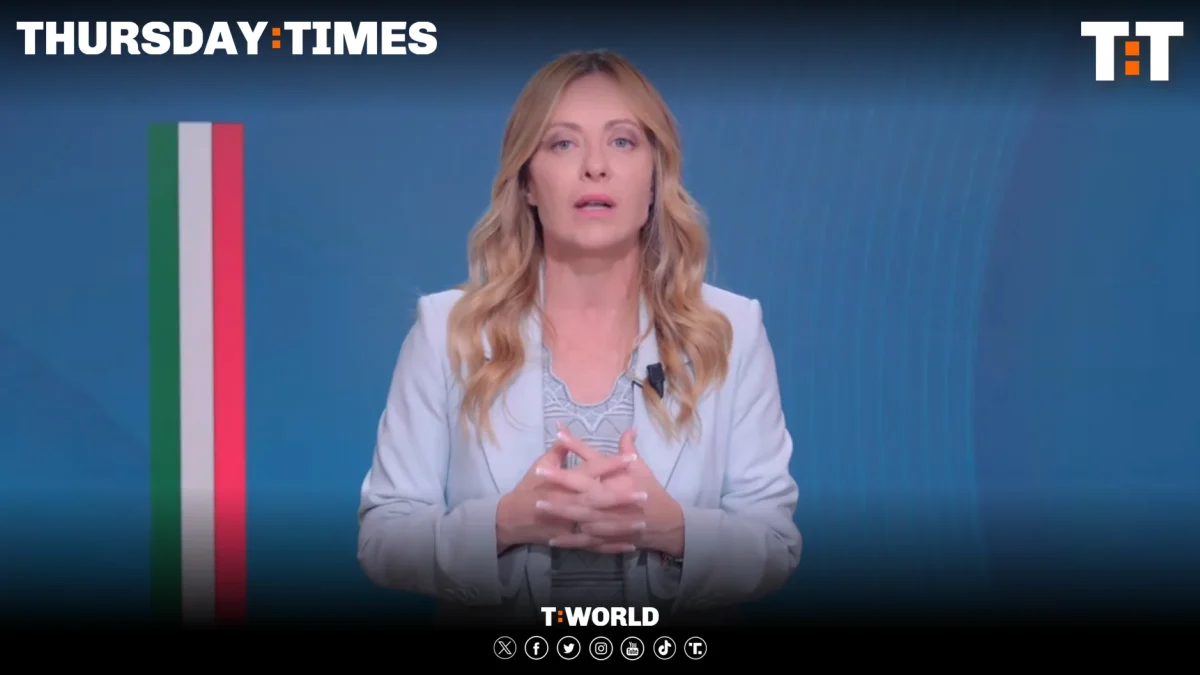
Prime Minister Giorgia Meloni announced the measures in a video after Tuesday’s Council of Ministers meeting. “These are unacceptable scenes that nobody can think of downplaying or justifying,” she said of the weekend’s violence, in which shops were looted, windows smashed and police officers attacked.
The decree takes effect immediately and must be converted into law by parliament within 60 days.
A new offence
Under the decree, anyone who joins a group of five or more people during a march or demonstration and throws stones or firecrackers or wields sticks, endangering public safety, faces up to five years in prison and a fine of up to €20,000. LaPresse reported that the offence carries a minimum sentence of two years. Penalties increase if the offender’s face is covered or if someone is injured, and penalties for destruction carried out as part of a group will also rise, Meloni said.
“If you break something, you pay for it”
Meloni said the decree applies a simple principle: “If you break something, you pay for it. And if the person responsible is a minor, their parents must pay.”
Damage to public property, such as bus shelters, traffic lights or police vehicles, will be met with a payment order sent by the prefect to the offender’s home. Owners of damaged private property, such as shop windows or cars, can obtain an immediately enforceable payment order through the courts. The orders can be challenged, but payment is due in the meantime, Meloni said.
The decree also presumes that anyone over the age of 14 is capable of understanding their own actions unless proven otherwise, a question previously left to a judge, the Associated Press reported. It deploys 500 additional soldiers alongside police in Milan until the end of the year, adds magistrates and detention places to the juvenile justice system, and allows arrests on the basis of CCTV footage.
Meloni said the new measures build on steps approved in recent months, including biometric identification, through artificial intelligence among other tools, to identify rioters hiding behind hoods.
“Vandalism and theft are not protest, they are criminality,” she said on social media, Reuters reported. She added that hardship must never be used as an excuse for violence.
The weekend’s violence
The unrest followed initially peaceful demonstrations over rising costs and poor public services, Reuters reported. Groups of mainly young people smashed windows, looted shops and attacked police in Milan’s central shopping district.
The violence left nearly 200 police officers injured and caused damage estimated by the business association Confcommercio at around €1 million in Milan, according to LaPresse. More than 200 young people were detained after the Milan riots, and 80 per cent of them were under 18, Il Sole 24 Ore reported.
What comes next
Authorities fear further unrest at demonstrations planned for Saturday, according to Reuters. Protesters say rising prices are pushing families into poverty, a concern for Meloni ahead of national elections due in 2027.∎