TEHRAN (The Thursday Times) — Iran turned down a request from US Vice President JD Vance for direct talks with its negotiators before Washington answers Tehran’s conditions, an adviser to Iran’s chief negotiator said, as President Donald Trump declared that he wanted “total victory” in the war.
Mehdi Mohammadi, an adviser to parliament speaker Mohammad Bagher Ghalibaf, who leads Iran’s side in the talks, said Tehran had rejected Vance’s request for a meeting until the United States gave its final response to Iran’s proposals. A US media report on Wednesday said Vance was weighing face-to-face talks with Iran’s security chief, Mohsen Rezaei, and had written to him in October.
Writing on his Telegram channel, Mohammadi said the Americans had proposed a timeframe of about two weeks, after which Trump would decide on military action. He said Washington was preparing for a limited strike and that Iran was preparing a response.
If US sanctions continued, he said, a comprehensive “pre-emptive war” would be needed “to increase the cost of sanctions for the enemy”. He described the US reply to Iran’s proposals on reopening the Strait of Hormuz as “not only unsatisfactory but completely deceptive”.
‘Not a 93 percent victory’
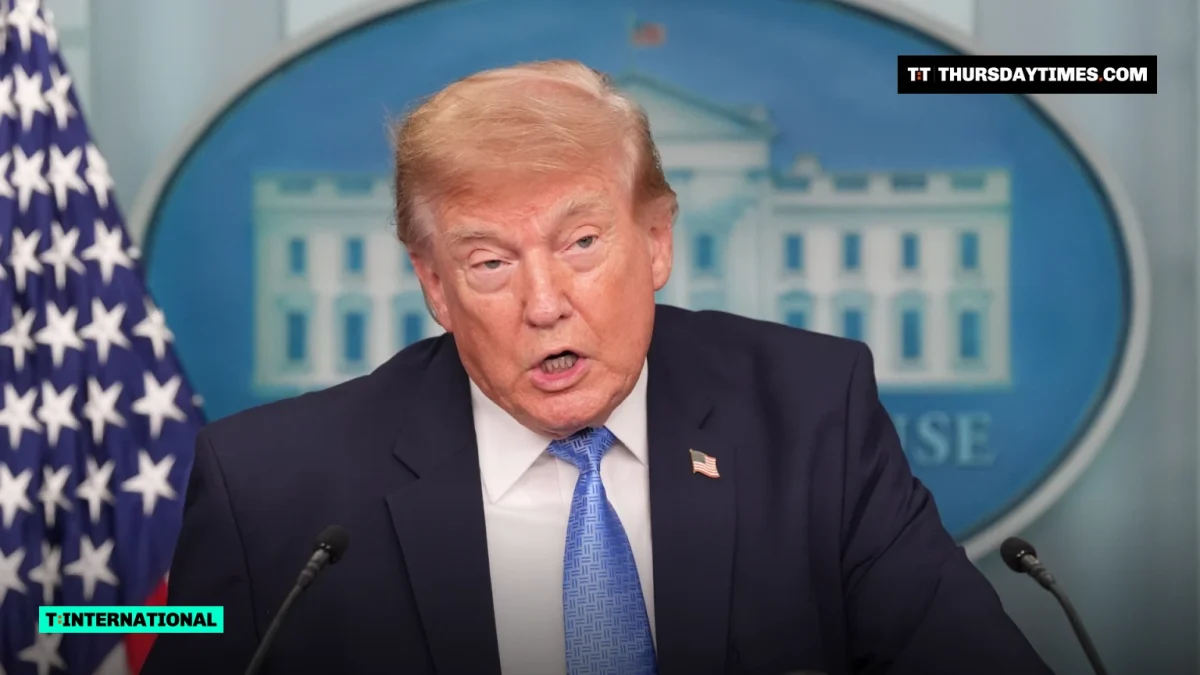
Speaking at a Veterans Day ceremony at Arlington National Cemetery on Wednesday, Trump said US forces had already defeated Iran militarily. “We won. It’s just a question of when we end it,” he said. “I want to make sure we have a total victory, not a 93 percent victory.”
Ghalibaf has said Washington has not formally answered Tehran’s seven conditions for reopening the strait and resuming talks, and that the strait will never return to its pre-war status. Rezaei said this week that none of Iran’s enriched uranium would leave the country.
Pakistan presses for restraint
The standoff comes as Pakistan continues to mediate between Washington and Tehran. Prime Minister Shehbaz Sharif, who met President Masoud Pezeshkian on the sidelines of the COP31 climate summit in Antalya, has called for restraint and said negotiations offer the only path to lasting peace.
The United States and Israel launched their offensive against Iran on February 28. A ceasefire followed in April, and the two sides signed a framework agreement in Islamabad in June, but talks on a final settlement have stalled.