ISLAMABAD (The Thursday Times) — Pakistan will have to reapply for its GSP+ trade status with the European Union before a new framework starts in 2028, German Ambassador Ina Lepel said on Monday.
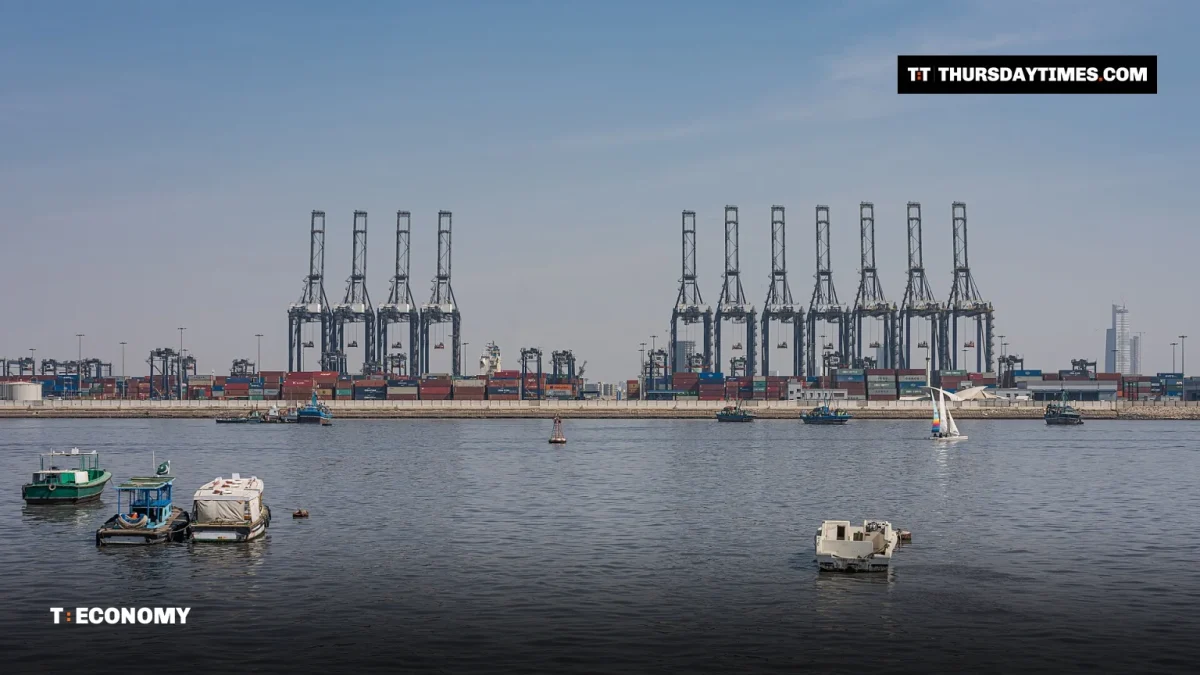
Under the scheme, Pakistani goods enter the EU on preferential terms. The EU is Pakistan’s largest export market, led by Germany. All beneficiary countries must reapply, Lepel told reporters in Islamabad, and the EU published a report in July, after a monitoring visit last winter, setting out the areas of compliance Pakistan must address.
She said officials hoped Pakistan would complete that work convincingly and keep its status.
Lepel said Germany supported Pakistan’s International Monetary Fund programme on its merits, and pointed to signs of economic resilience after recent shocks. She expressed hope that the momentum on structural reforms would continue.
Trade between the two countries has stayed at about €3.5 billion a year since 2017, she said, despite an economic relationship going back to 1959, when Pakistan became the first country to sign an investment protection agreement with Germany. She said companies were showing new interest as they looked to diversify their supply chains, and pointed to a German-Pakistan business forum and a new Pakistan Desk at the German-Emirati Joint Chamber of Commerce in Dubai.
The number of Pakistani students at German universities has more than doubled, from 6,000 in 2017 to 13,000 today, Lepel said. German officials put that largely down to public universities that charge no tuition fees, leaving students to cover only their living costs.