IMF sees UAE growth at 0.2% in 2026, rebounding to 7.3% in 2027
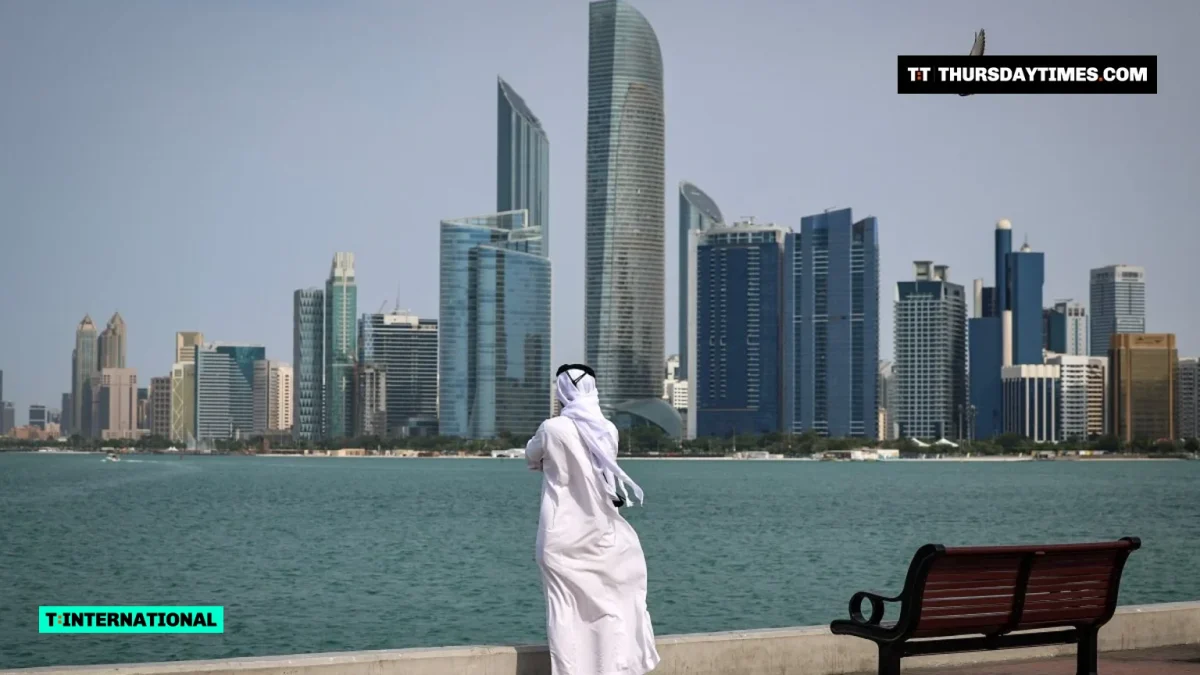
An IMF team projects UAE real GDP growth of 0.2% in 2026 and 7.3% in 2027, assuming regional disruptions are lifted, after concluding its Article IV mission.
Topic · Economy
Pakistan’s programme with the International Monetary Fund: the money, the reviews, and the conditions behind every budget.
Pakistan joined the International Monetary Fund in 1950 and has turned to it for loans more than 20 times. Its current programme, a 37-month Extended Fund Facility of about $7 billion, was approved in September 2024. A further $1.4 billion for climate resilience, under the Resilience and Sustainability Facility, followed in May 2025.
The money comes in instalments, each after a review, roughly every six months, in which IMF staff check Pakistan against agreed targets on tax collection, energy prices, the budget and the exchange rate. A staff-level agreement closes a review; the IMF board’s approval then releases the money.
An IMF team projects UAE real GDP growth of 0.2% in 2026 and 7.3% in 2027, assuming regional disruptions are lifted, after concluding its Article IV mission.
EDITORIAL
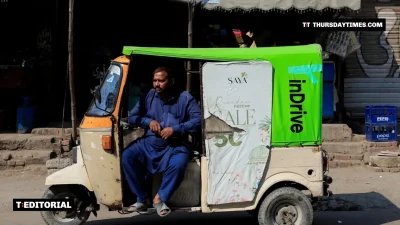
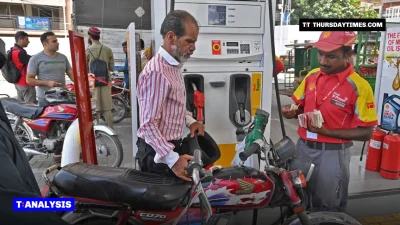
The IMF wants the fuel relief scheme phased out. Pakistan should do it on a clear timetable, keep help for its poorest families through BISP, and write a costed rule for the next oil shock.
ECONOMY
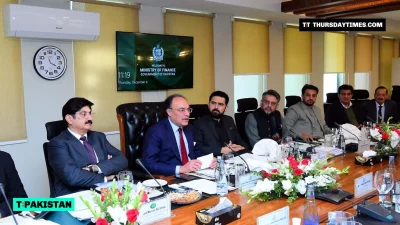
Finance Ministry figures show three provinces ran budget surpluses in July to September, while Balochistan spent Rs16bn more than it took in.
ECONOMY
Any future fuel support should be limited, timebound, targeted, and fit within this year’s budget, an IMF spokesperson said, with the board due to meet in December.
ANALYSIS
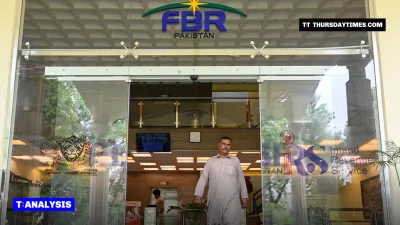
The FBR is Rs95bn behind, interest costs are climbing again, and the foreign debt keeps rolling over. How the pieces fit, and which levers are real.
ECONOMY
The primary surplus of 2.1% of GDP already tops the full-year target, but the overall surplus shrank as non-tax revenue fell and interest costs rose 23%.
ANALYSIS
The levy brings in Rs1.676 trillion a year by the government’s target, and the IMF programme counts on it. Jamaat-e-Islami wants it gone. Here is what is at stake, and the options in between.
ECONOMY
New loans of $16.16bn more than covered the repayments, so external public debt rose to about $98bn by June, the economic affairs ministry’s annual report shows.
ECONOMY
Rs103.88bn was used from July to October against Rs412bn cleared for release. The highways authority spent under 6% of its allocation.
NATIONAL
Hafiz Naeemur Rehman said the government is considering a phased cut in the levy after about ten rounds of talks, but protests and negotiations will run side by side.
ANALYSIS
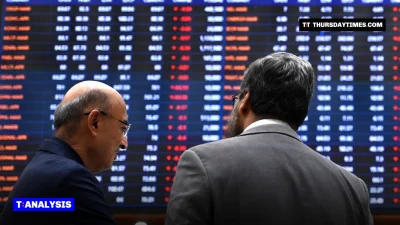
Pakistani shares have regained the level where they ended the last fiscal year. Cheaper oil, record reserves and remittances drove the rebound; rising interest rates, foreign selling and the Strait of Hormuz will decide what comes next.
EDITORIAL
The new auto policy starts from an honest diagnosis. It will be judged on the dates, the enforcement and the sums the government has not yet shown
ECONOMY
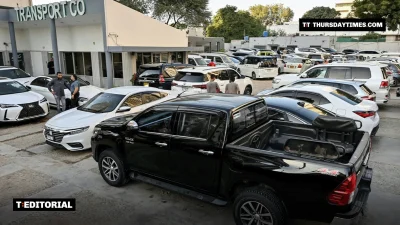
Duties on cars and parts will fall every year for five years, EVs get 1% sales tax and bigger loans, and carmakers must localise and export or face penalties
ANALYSIS
Reserves are at a high and bond markets have reopened, but about a third of this year’s bill still rests on friendly rollovers
ECONOMY
Rashid Mahmood Langrial told Karachi industrialists work has begun, after a two-point cut in the rate
ECONOMY
Ina Lepel said the EU has set out areas Pakistan must address, as she reported that the number of Pakistani students in Germany has more than doubled to 13,000.
ECONOMY
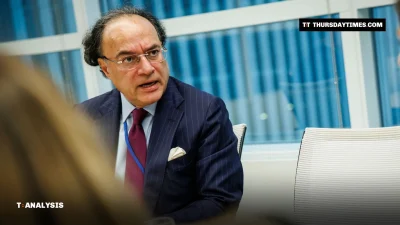
The finance minister set three priorities: development-first policymaking, a bigger voice for developing economies and reform of the international financial architecture.
ECONOMY
Under the BRIDGE programme, due for approval in January, Pakistan will pass an Investment Act and a factoring law and open up trade in wheat and sugar to lift private investment.
ECONOMY
The Finance Ministry says the July-September surplus narrowed to 0.8% of GDP from 1.7%, as subsidies were cut by 90% and development spending rose sharply.
ECONOMY
The IMF puts Bangladesh’s GDP per person at $2,886 this year against India’s $2,749, but India is growing almost twice as fast and is set to regain the lead by 2029.