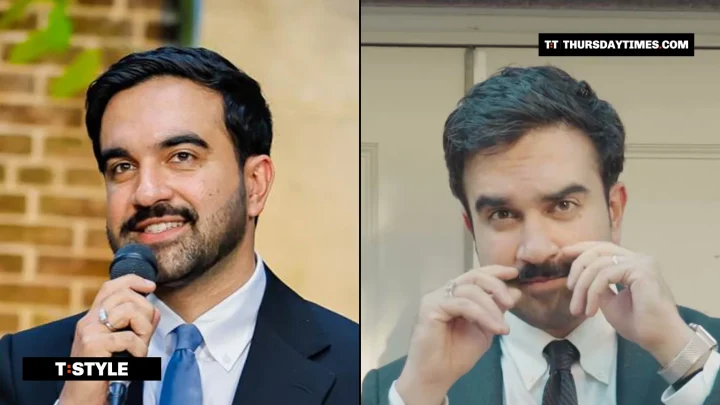
MUMBAI (The Thursday Times) — Bollywood actor Imran Khan has given India’s Bombay High Court an unconditional apology and promised to join no more protests, after he was told to leave the country for attending a demonstration against the voter-roll revision that has shaken Indian politics.
The court on Monday put the Leave India Notice on hold until the next hearing on December 7, and said it expected him to live in India until then as a “law-abiding person”, not taking part in protests or other activities that are rights of Indian citizens. Khan, the nephew of actor Aamir Khan, is a US citizen who holds an Overseas Citizen of India card and says he has lived in India for 42 years.
He was detained on October 10 at a protest in Mumbai against Chief Election Commissioner Gyanesh Kumar over the Special Intensive Revision of electoral rolls. The Foreigners Regional Registration Office issued the notice days later, ordering him out by October 28.
‘At the mercy of the sovereign’
Chief Justice Mahesh Chandra Tripathi told Khan that he had no standing in the dispute. “You cannot behave like an Indian citizen… because you are not even remotely affected to that cause. Therefore, you had no right at all to participate in this,” he said in oral remarks.
“OCI cardholders cannot be put at parity with Indian citizens. They are at the mercy of the sovereign, and they have no right at all to stay here and criticise the country. This cannot be tolerated,” the chief justice said. He also asked Khan why he had not taken Indian citizenship.
The bench did question the authorities too. It said Khan should have been given at least an opportunity to present his side before the notice was issued, and suggested they show a “big heart” and take a lenient approach once he had apologised. Additional Solicitor General Anil Singh, representing the registration office, argued that accepting an undertaking would set a wrong precedent and that the government had “unfettered rights” to deport him. The court has asked the government to set out its position in an affidavit.
What Khan promised
“I am volunteering to give the present undertaking that there will be no participation by me in any protests in the future,” Khan said in the document. He said he had gone to the protest site to see why freedom of movement was being restricted and “why people’s voices were being oppressed and suppressed”, and that he had made no demands.
He added that he had “the utmost love and respect” for India and its Constitution, and that his marriage, daughter, family, work and taxes were all tied to the country. “My life, profession, and affiliation are all confined to this great nation,” he said.
A growing fight over the rolls
The case has become part of a wider national row. India’s opposition accuses the election commission of wrongly striking voters off the rolls, and Home Minister Amit Shah said on Monday that about 30 million of those removed were illegal infiltrators from Bangladesh. The opposition has staged large protests against the revision, including a rally in Delhi on Sunday.