WASHINGTON (The Thursday Times) — US Vice President JD Vance said on Monday that Washington had “made some progress” towards a deal with Iran, and President Donald Trump answered “no” when asked if he was considering strikes after Tuesday’s midterm elections, as oil prices fell more than 7 percent.
“The president and I both feel pretty good about the prospects for potentially coming to a negotiated settlement,” Vance told reporters. He said Trump still had “kinetic options”, that no deadline had been set, and that “the Iranians are always a little unpredictable”. Any path to a deal, he said, required a firm and verifiable commitment that Iran would not rebuild its nuclear programme.
Trump has played down the prospect of attacks before and then ordered them, and in recent weeks he had hinted at renewed strikes once voting ended. “Iran wants a settlement, as soon as possible. It could happen!” he posted on Monday.
Qatari mediators back in Tehran
A delegation of Qatari mediators arrived in Tehran on Monday evening to resume talks, a diplomat familiar with the negotiations said. The diplomat said the deal under discussion would see Iran quickly reopen the Strait of Hormuz in return for US sanctions relief, followed by full talks on the nuclear programme.
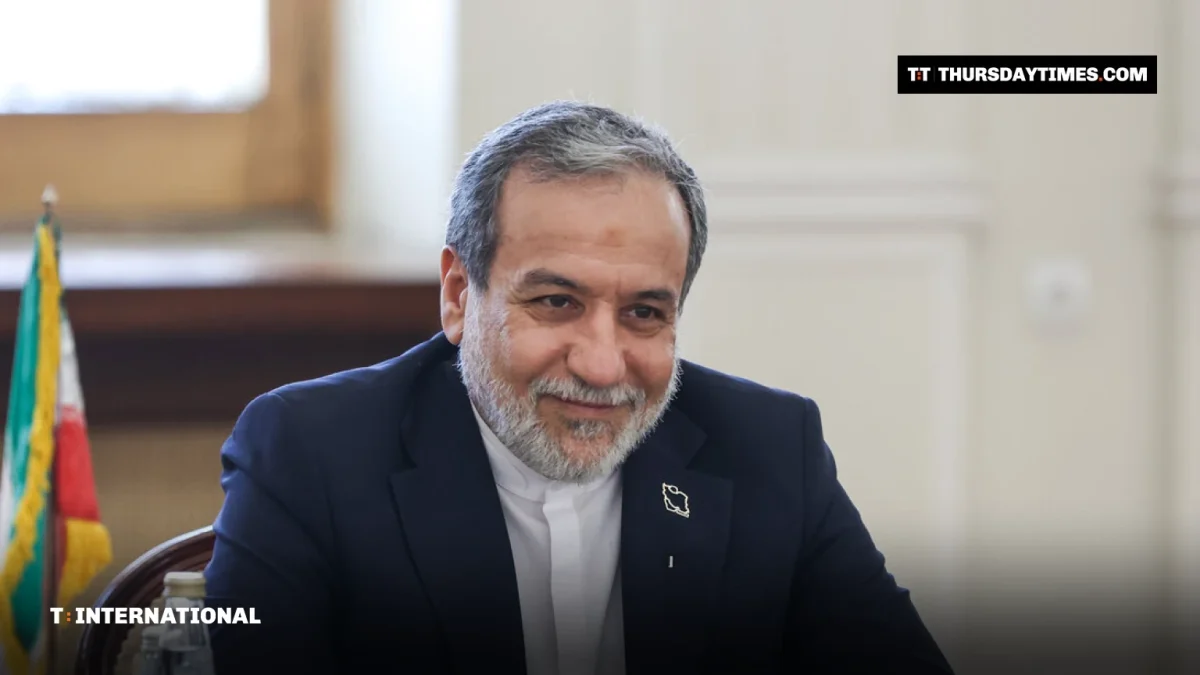
Foreign Minister Abbas Araghchi said consultations through mediators were “very intensive”. “We have presented our conditions and proposals, and everything depends on the political rationality of Washington,” he said. Iran insists the United States must lift its naval blockade and meet its demands before any agreement.
President Masoud Pezeshkian said Supreme Leader Mojtaba Khamenei had given the elected government “certain authorities” for the talks, according to Iranian state media, and that Tehran sought to solve the problem through dialogue.
Oil’s sharp fall
Brent crude settled $8.66 lower at $104.77 a barrel, a fall of 7.63 percent, and US crude fell 7.36 percent to $96.46. “Oil Prices are DROPPING LIKE A ROCK,” Trump wrote. Brent had ended October at a six-month high on fears that fighting would resume after the US vote.
The risks still in play
Israeli Prime Minister Benjamin Netanyahu has been pushing for another wave of strikes after the US election, two regional officials and a third person familiar with the matter said. Trump would not commit to military action when Netanyahu raised it in a call at the weekend, the person briefed on the call said. Israel and the White House did not directly comment.
Other US allies in the region are warning against more strikes, another regional official said, because they could destabilise the region and lead Yemen’s Houthis to step up attacks on Saudi Arabia and Red Sea shipping.
The Strait of Hormuz also remains dangerous. Iran’s Revolutionary Guards said two crude oil tankers caught fire after hitting sea mines there, and Gulf states condemned Friday’s attack on a Qatari liquefied natural gas carrier.