VIENNA (The Thursday Times) — The UN nuclear watchdog has urged Iran to let its inspectors back into the country’s nuclear sites, warning in a confidential report to member states on Friday that its lack of information about Iran’s nuclear material is “a matter of serious proliferation concern” that “needs to be rectified with the utmost urgency”.
The International Atomic Energy Agency said it was “fully prepared to resume its safeguards activities in Iran at short notice”. Its director general, Rafael Grossi, encouraged Tehran to consider “technical and gradual measures” that would allow inspectors to return, the report said, describing such “incremental steps” as a possible path back to normal monitoring and towards “a wider agreement”.
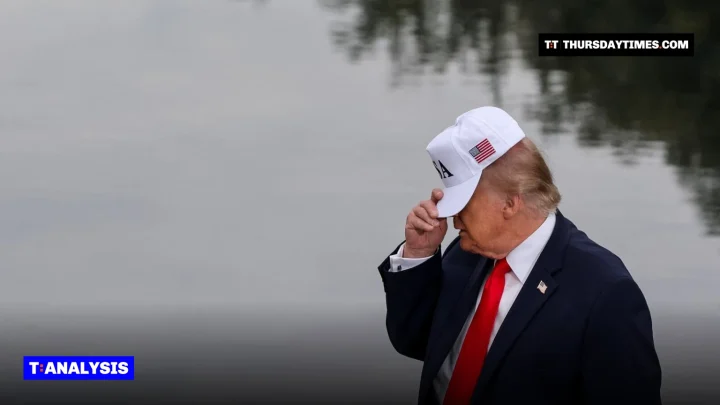
Iran told the agency this month that inspections could not resume amid what it called “persistent, explicit, and public threats” by the US president “to commit further acts of armed aggression”, according to the report. Tehran said the matter would not be settled “until the root causes of the present situation are addressed”. Iran has said that none of its enriched uranium will leave the country (read more).
A plant inspectors have never seen
The report voiced particular concern about the Isfahan Fuel Enrichment Plant, an underground facility in central Iran that Tehran declared in 2025 but that the agency has never inspected. Inspectors do not know its precise location, whether it holds nuclear material, or its status, though the report did not establish that enrichment is taking place there.
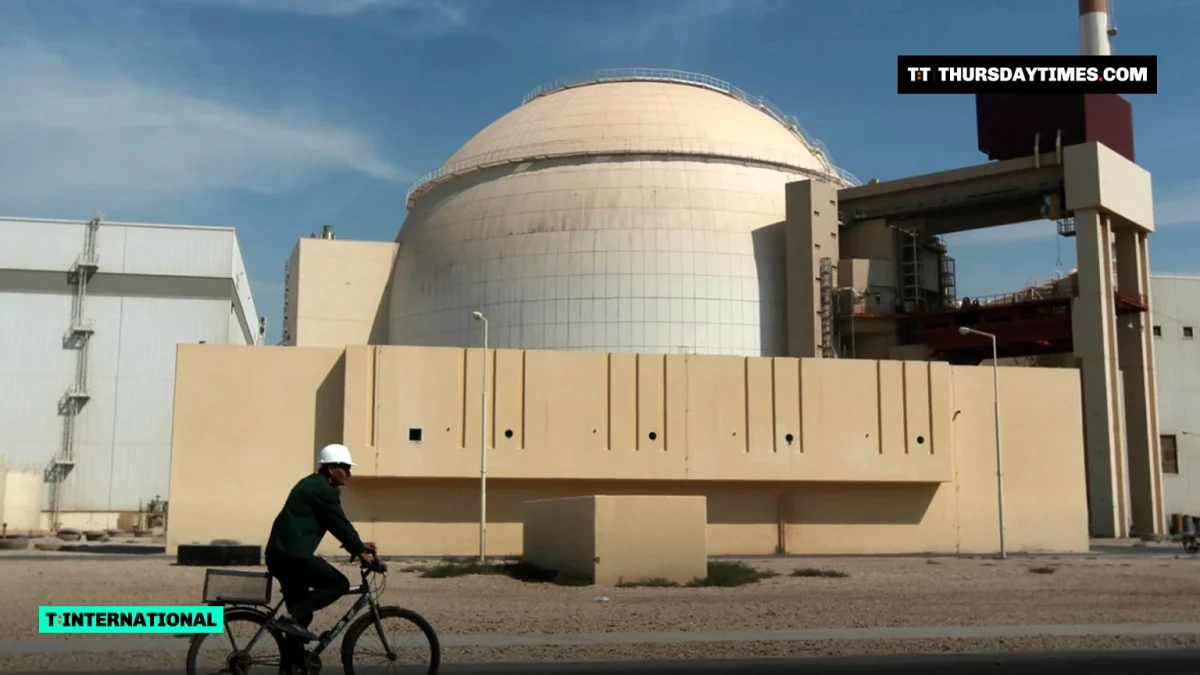
The agency has had no access to Iran’s key nuclear facilities since Israel, joined by the United States, struck them in June 2025. Its inspectors visited the Bushehr nuclear power plant in September, but nowhere else. Nuclear sites were hit again in the war that began on February 28.
Without cooperation, “the agency is not able to conclude that there has been no diversion of declared nuclear material from peaceful nuclear activities in Iran”, the report said, while acknowledging that the military attacks had “created an unprecedented situation”.
The missing stockpile
Before the June 2025 strikes, the agency calculated that Iran held about 440 kilograms of uranium enriched to 60%, close to the roughly 90% needed for a weapon. What has happened to it since is unknown. The report is due to be discussed at a meeting of the agency’s board of governors next week.
Iran’s foreign ministry spokesperson, Esmaeil Baghaei, said on Monday that Iran remained committed to the Nuclear Non-Proliferation Treaty, but he blamed the US and Israeli attacks for limiting its cooperation with the agency. Iran has long denied seeking a nuclear weapon.
The report comes as Iran and the United States trade claims of attacks around the Strait of Hormuz (read more).