ISLAMABAD (The Thursday Times) — Government offices in Islamabad will stop accepting cash after November 30, and every merchant in the capital is to be taking digital payments by December 31, when the government wants Islamabad to become Pakistan’s first fully cashless city.
Minister of State for Interior Talal Chaudhry set the two deadlines on Friday while chairing a meeting on the Cashless Islamabad initiative. “After November 30, no cash payments will be accepted in any department of the Islamabad Capital Territory administration or the Capital Development Authority,” he said, according to an official statement issued after the meeting.
Chaudhry said about 26,000 merchants in the capital were already connected to digital payment systems. The rest, from roadside vendors and small shops to large commercial centres, are to be brought in by the end of the year.
He said Interior Minister Mohsin Naqvi had promised Prime Minister Shehbaz Sharif that Islamabad would become the country’s first cashless city and the world’s first cashless capital. Capital Development Authority chairman Sohail Ashraf and representatives of the banks attended the meeting, and the banks promised their support.
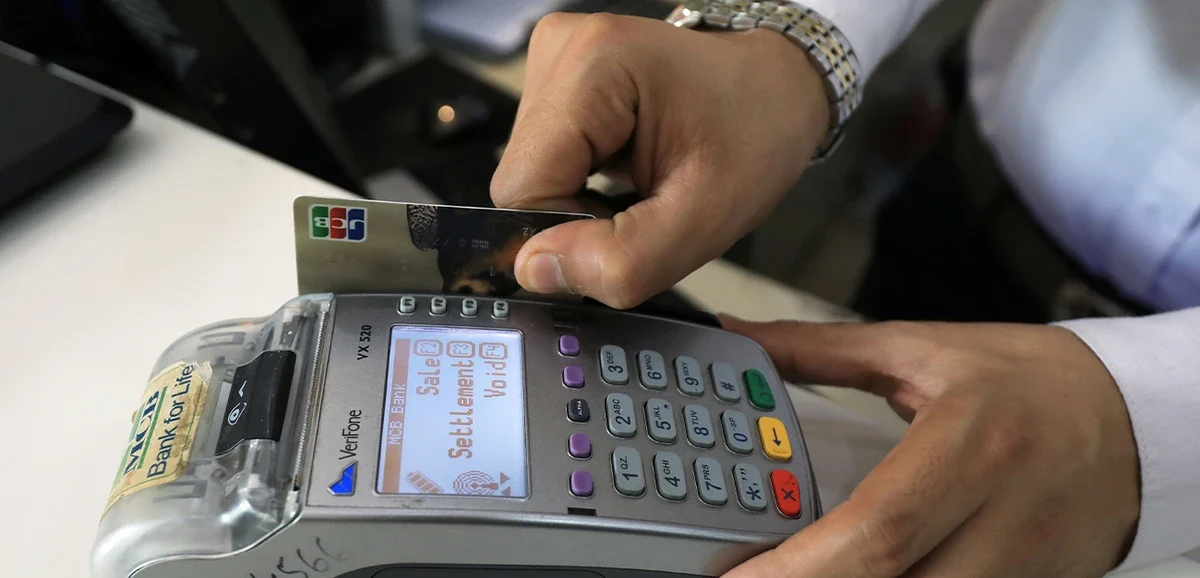
The plan is part of the prime minister’s Cashless Pakistan drive, which aims to move a largely cash-based economy onto digital channels, make transactions easier to trace, and bring more businesses into the tax net. Much of it runs through Raast, the State Bank of Pakistan’s instant payment system, which lets customers pay by scanning a QR code with a banking or payment app.
Figures shared at a separate meeting chaired by Minister of State for Finance and Railways Bilal Azhar Kayani show that the number of merchants actively taking digital payments across Pakistan has risen fourfold under the drive, from 500,000 to 2.03 million. Raast QR codes are now printed on more than 45 million gas and electricity bills, every National Database and Registration Authority centre can take Raast payments, and the overall volume of digital payments has doubled in a year.
From November 16, all payments made through Asaan Assignment Accounts, which government drawing and disbursing officers use to pay for official spending, will go through Raast instead of by cheque. The officers have already been trained for the switch.
Kayani’s meeting also told the State Bank to prepare a working paper on a merchant discount rate scheme for Raast QR payments, which would set the fees shops pay to accept them. Payment values, transaction volumes, and the number of individual users are to be tracked on a central dashboard.
The capital has been moving this way for weeks. Its district administration began accepting fines by QR code this week, and Shehbaz last week ordered a roadmap for fully digital payments across the country, along with reliable internet access and simpler digital services for consumers.