KHARTOUM (The Thursday Times) — Sudan’s army and its allies have captured al-Khuwai, one of the main towns in West Kordofan, pushing deeper into a region where the paramilitary Rapid Support Forces (RSF) has held key cities for more than a year, while a local relief group said on Saturday that RSF fighters had killed 10 civilians in a nearby city.
Sudanese officials said the army took al-Khuwai on Friday after clashes with the RSF. The town lies about 100 kilometres (62 miles) from al-Nuhud, the main city of the Dar Hamar area and the second-largest in West Kordofan, which the RSF has controlled since May 2025. On November 7 the army took Ayal Bakhit, north-west of al-Khuwai.
“RSF members killed 10 unarmed civilians in different neighbourhoods of the city since Thursday,” the Dar Hamar Emergency Committee said of al-Nuhud. It said fighters on motorcycles were looting shops, raiding homes, and intimidating residents, and that the city had lost all communications, including Starlink satellite internet. The RSF did not comment.
Siege of al-Obeid broken
The offensive by the Sudanese Armed Forces (SAF) and allied Darfur forces, which began several weeks ago, has already broken the RSF siege of al-Obeid, the capital of North Kordofan. It has also opened routes into central and south-western Sudan, towards Babanusa, South Kordofan, and the approaches to North Darfur, including a road linking al-Khuwai with al-Nuhud, a centre of gold mining.
The RSF and its reported allies in the Sudan People’s Liberation Movement-North, led by Abdelaziz al-Hilu, still hold al-Nuhud and parts of South Kordofan.
“The RSF’s shift from attack to defence will alter its military composition, which was built on demanding rapid tribal support,” said Mohamed Ali, an independent Sudanese analyst. He said Kordofan was “not a social stronghold for the RSF” and expected the group to pull back to Darfur, a move that “could make Darfur the new epicentre of the conflict sooner than expected”.
The RSF draws its main support from Arab communities in South and East Darfur, around Nyala and el-Daein, and along Sudan’s borders with its neighbours.
Drones over Kordofan
Fighting has intensified across North, West, and South Kordofan since October 25. On Wednesday the army said its air defences had shot down two FH-95 drones, one south of Ayal Bakhit and one near el-Daein in East Darfur, bringing the number of hostile drones it says it has downed to 29. Sudanese authorities and rights groups have accused the RSF of using drones against civilian targets; army drone strikes on a market in Nyala also killed more than 100 people last month, a rights group said.
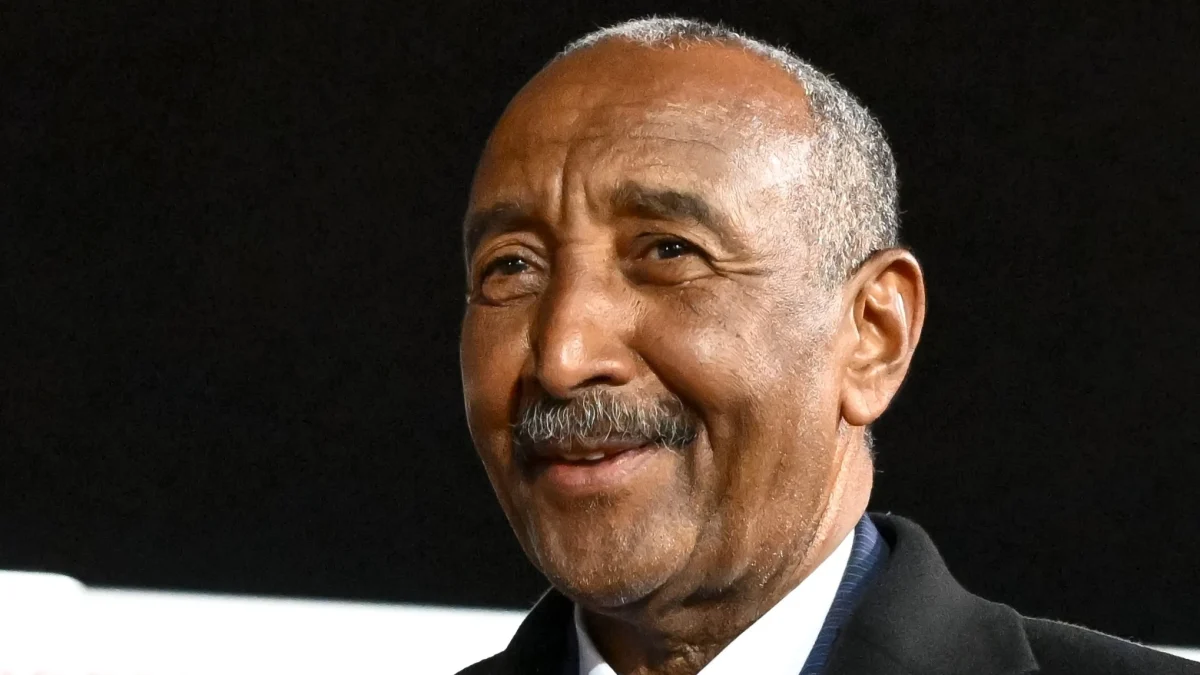
The army chief, General Abdel Fattah al-Burhan, who heads Sudan’s Transitional Sovereignty Council, told the COP31 climate summit in Antalya this week that developed countries should double their funding for climate adaptation.
The war between the army and the RSF, which began in April 2023, has killed tens of thousands of people and driven nearly 13 million from their homes, according to UN estimates.