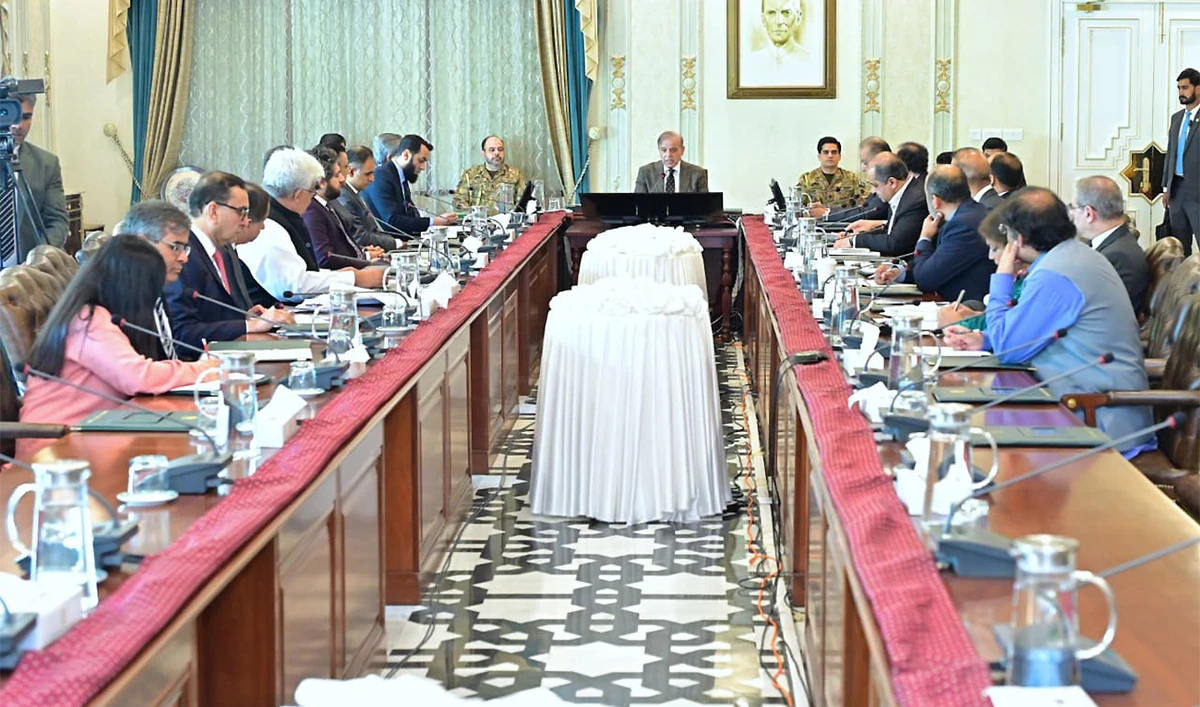
ISLAMABAD (The Thursday Times) — The Federal Board of Revenue has begun separating sales tax and federal excise duty from income tax in its Inland Revenue wing, and has transferred and posted 54 senior officers to put the new structure in place, according to notifications issued late on Friday.
Under the new set-up, businesses are expected to deal with separate commissioners for sales tax and for income tax from January 2027, on top of their existing dealings with Customs.
The FBR has appointed Dr Muhammad Sarmad Qureshi, a grade-21 officer of the Inland Revenue Service, as Member, Sales Tax and Federal Excise Duty (Technical), a new post at its headquarters in Islamabad. The FBR’s Board-in-Council approved the post, and the board’s organisational chart has been redrawn with new reporting lines.
The 54 officers moved in the reshuffle range from grade 17 to grade 21.
No matching post of Member, Income Tax (Technical) had been notified by Saturday. Income tax work is expected to stay with the Member Inland Revenue (Operations), while separate sales tax zones are to be set up in the FBR’s field offices.
What changes for businesses
Inland Revenue offices have until now handled both taxes for the same taxpayer. Under the split, income tax and sales tax cases are expected to be reallocated and the records for the two taxes separated in the field, which means a company could deal with one commissioner for income tax, another for sales tax, and Customs for its imports.
Tax experts have asked the FBR chairman to spell out the powers of the new member and what is left under the Member Inland Revenue (Operations). They said it was not yet clear whether the chief commissioners who run the field offices would report to the chairman or to the operations member, and questioned the point of separating sales tax if income tax officials continue to report to the operations member.
Some experts also said the change runs against the effort by the federal and provincial governments to bring sales tax rules closer together. Sales tax on goods is collected by the FBR, while sales tax on services is largely collected by the provinces.
A revenue gap in the background
The overhaul comes as the FBR tries to close a gap in its collections. It fell Rs95 billion short of its tax target for the first four months of the fiscal year, and the shortfall has added to pressure on a budget already squeezed by interest payments, as TT reported this week.
The FBR has not yet published a detailed explanation of how the new structure will work or how cases will be divided between the two wings.