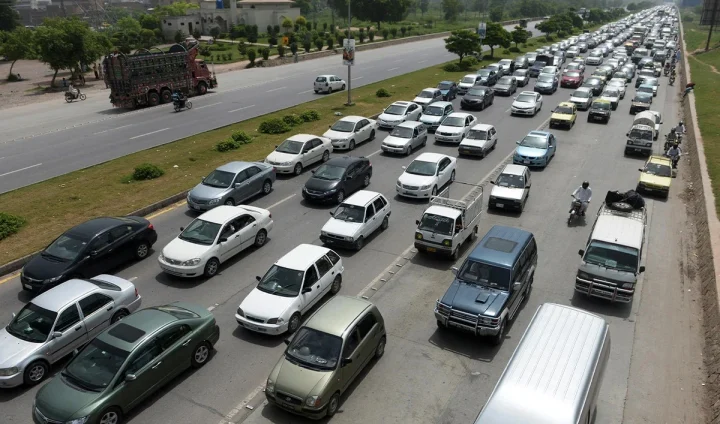
SANTIAGO (The Thursday Times) — Chile’s President José Antonio Kast has backed down on fuel prices after a truckers’ strike blocked highways across the country, but the climbdown has not stopped the protests, and polls show his approval at the lowest point of his eight months in office.
The government agreed on Thursday to reverse that day’s rise in fuel prices and to cut diesel by 100 pesos (about 10 US cents) a litre, the interior minister, Claudio Alvarado, said after two days of talks with the main truckers’ groups. Diesel, the fuel truckers use most, will not rise again before 31 March 2027, he said. The strike, which began on Tuesday, was called off.
A day earlier, the government had announced a three-month freeze on fuel prices and sent Congress a bill to reverse planned increases. The bill is expected to pass this month.
“Chile needs normality to keep growing, to keep developing,” Alvarado said. Cristián Sandoval, who leads the Fuerza del Norte truckers’ confederation, said the talks had nearly collapsed. “We were about to go home with a flat no,” he said.
Fuel prices have climbed since the US-Israeli war with Iran began in February and disrupted shipping through the Strait of Hormuz. Earlier this year, Kast’s government changed the state mechanism that cushions sudden swings in fuel prices, passing more of the increase straight on to drivers.
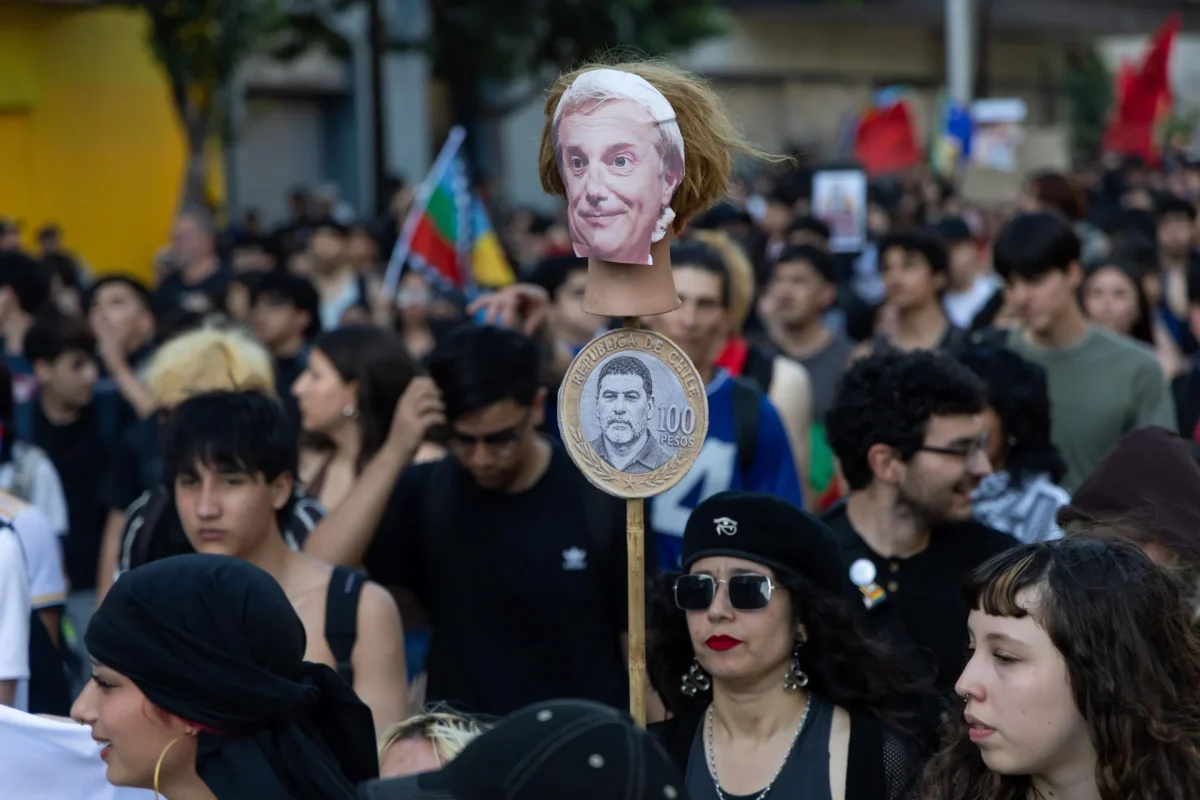
The anger has spread beyond the truckers. About 1,000 people joined a student march against fuel prices in central Santiago on Friday. It began peacefully but ended in clashes, with some protesters throwing firecrackers and police answering with tear gas and water cannon. Organisers had not received permission for the march.
Protesters also pointed to the government’s budget proposal, which seeks cuts to education, culture, and science, and to decrees revealed last month that cut the sentences of 56 prisoners, among them people convicted of raping children and of human rights crimes under the dictatorship. Kast has called the decrees an “error”.
A Criteria poll last weekend put Kast’s approval at 24% and his disapproval at 67%, the worst figures of his government. A Cadem poll the next day had his disapproval at 68%.
Kast, who won the presidency in December 2025 on promises to tackle crime and illegal immigration, is not the only leader in the region under pressure over living costs. Polls show majorities disapproving of Argentina’s Javier Milei and Peru’s Keiko Fujimori.