ANTALYA (The Thursday Times) — Pakistan has proposed a virtual green university built on partnerships between universities abroad and at home, along with a fund to back climate ideas from young people, as it tries to turn climate research into practical projects.
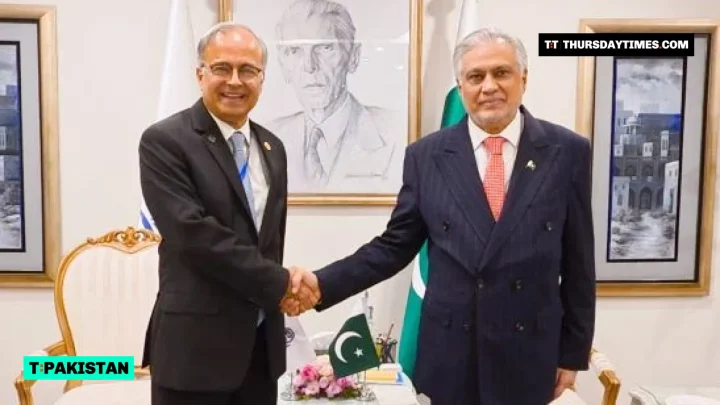
Climate Change Minister Musadik Malik made the proposals on Sunday at a session on climate resilience, education, and innovation, held with the Islamabad Electric Supply Company on the sidelines of the COP31 climate conference in Antalya, Türkiye. He said the world needed to move beyond conference resolutions to results, and that Pakistan wanted an international platform where students, researchers, and universities could work on climate problems together.
What the university would do
Under the framework, universities abroad would be invited to join Pakistan in joint research programmes, faculty and student exchanges, seminars, and virtual research centres. Malik said it could bring together scholars, experienced researchers, and graduate students, especially from developing countries, to find solutions that fit their own societies.
He also offered Pakistan’s research facilities, glacier data, and support for primary research to foreign scientists who want to study mountain ecosystems and the changing cryosphere, the frozen parts of the planet. Mountain regions are among the first to feel such changes, he said, warning that what happens there could affect the downstream plains in the coming years.
A fund for young innovators
The second proposal is the Greenfield fund, meant to give financial backing to climate ventures and ideas developed by young people. Malik said the fund had been announced and a board set up, with a proposed five-member team that includes private-sector and investment expertise to assess promising ideas and help finance them. He described access to risk capital as a major need for young innovators, since good ideas often struggle to reach the market.
Malik has spent the conference pressing for climate money. On Saturday he asked partners to fund batteries and grid links for households switching to solar, and a parliamentary delegate at the Pakistan Pavilion called for debt swaps to pay for adaptation.