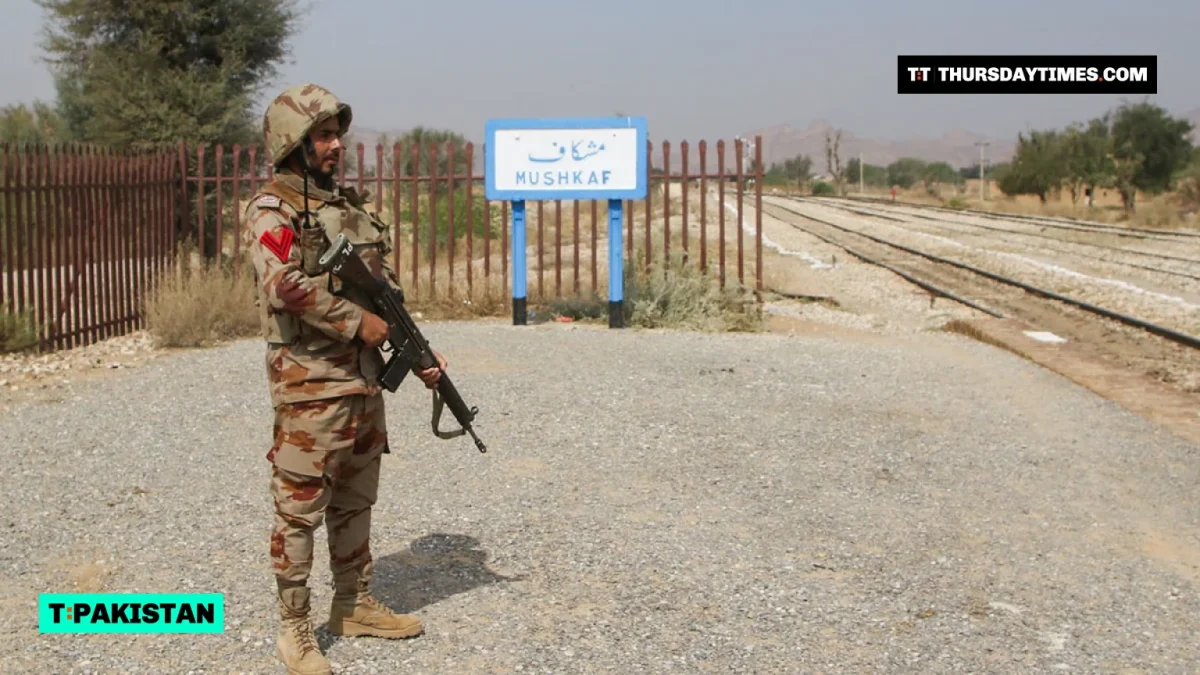
ISLAMABAD (The Thursday Times) — The banned Tehreek-e-Taliban Pakistan (TTP) has reorganised its command structure with a new focus on Balochistan, merging three districts around Quetta into a single unit and naming judges to so-called courts, according to an assessment published on Sunday by the Pakistan Institute for Conflict and Security Studies (PICSS).
The Islamabad-based think tank said announcements the terrorist group made on November 13 went beyond routine personnel changes. They point, it said, to “a deliberate effort to streamline authority” in Balochistan and the frontier belt next to it.
Balochistan in focus
According to the assessment, written by PICSS managing director Abdullah Khan, the TTP has placed Quetta, Qila Abdullah, and Pishin under a single “wilayat”, the term the group uses for its self-declared provinces. A separate arrangement centred on Zhob now takes in Qila Saifullah.
The announcements made three linked moves, the assessment says: a change of leadership in Bajaur, a reorganisation of what the group calls its Western Zone, and the creation of a judicial layer through appointments to “primary courts”.
In Bajaur, Malang Bacha has been named the group’s local head, with Maulvi Tahire, who held the post in an earlier roster, moved to deputy. In the Western Zone, a single commander has been replaced by an administrative commission chaired by a man identified only as Hamza, PICSS said.
The think tank cautioned that the announcements did not give a complete list of office-holders. They should be read as changes to specific posts, it said, not as proof that everyone left unmentioned had been removed.
Fewer attacks, more deaths
The assessment follows PICSS figures showing that attacks fell in the week of November 6 to 12 even as the toll rose. The think tank recorded 33 attacks across the country, down 32.7% from 49 the week before, but deaths rose by 124% to 56 and injuries by 147.6% to 52.
Khyber Pakhtunkhwa remained the main centre of violence, with 16 attacks and 44 deaths, while Balochistan recorded 13 attacks that killed eight people and wounded 19. Attacks in the former tribal districts fell sharply, PICSS said. Targeted killings, roadside bombs, kidnappings, and the use of drones remained the main tactics.
Security forces killed 33 terrorists in operations during the week, most of them in Balochistan and the former tribal districts, according to the think tank.
The military has reported a string of operations in recent days. It said on Friday that troops had killed 31 terrorists in Quetta district as part of operations that killed 74 in Khyber Pakhtunkhwa and Balochistan, and on Saturday that a major and a havildar were martyred when terrorists used armed quadcopters against a patrol near Kolpur, where troops killed eight terrorists. In North Waziristan, two soldiers were martyred and 16 terrorists killed in raids this week.