ISLAMABAD (The Thursday Times) — Saudi Arabian energy company Delta Energy Saudi has signed a memorandum of understanding (MoU) with Pakistan’s Inter State Gas Systems (ISGS) to explore a proposed investment of about $30 billion in gas infrastructure in Pakistan, the companies said in a joint statement on Tuesday 17 November.
The agreement is a framework for studying the projects only. According to the statement, it is not a final investment decision, and it does not commit either side to finance or build any of the proposed facilities. The $30 billion figure describes the proposed scale of the programme, not funding that has been secured.
What the framework covers
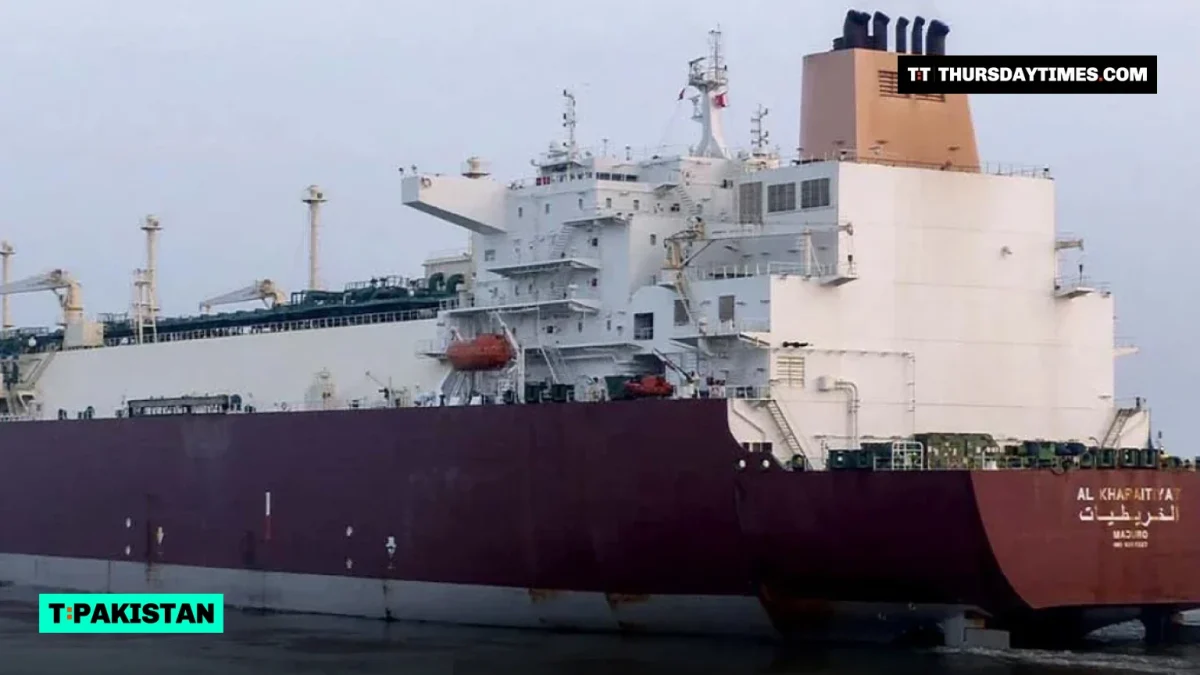
The companies said they would examine a natural gas pipeline network running from Pakistan’s western border to Gwadar, with a possible extension towards the eastern border. The programme would also look at liquefied natural gas (LNG) facilities, gas processing and storage, and export terminals.
One proposed route would run from Chaman, near the Afghan border, to Fazilka, close to the Indian border. Delta Energy described this route as a “core strategic commitment”, but the statement noted that it would need formal engagement and agreements with the authorities in both Pakistan and India.
Afghan gas and TAPI
The programme will also look at possible gas supplies from Afghanistan, including the Kashk gas concession and other Afghan resources, according to the companies. Delta Energy said the initiative is separate from the long-delayed Turkmenistan-Afghanistan-Pakistan-India (TAPI) pipeline and does not depend on Turkmen gas.
The two companies will now assess the proposed projects and their feasibility, and the statement said any further decisions would depend on the results of that work. No construction schedule or financing arrangement has been announced.
The MoU comes as Pakistan looks to widen its gas supply options and attract foreign investment in its energy infrastructure. The Thursday Times has also reported on Pakistan and Turkmenistan’s talks on TAPI, held the same day.