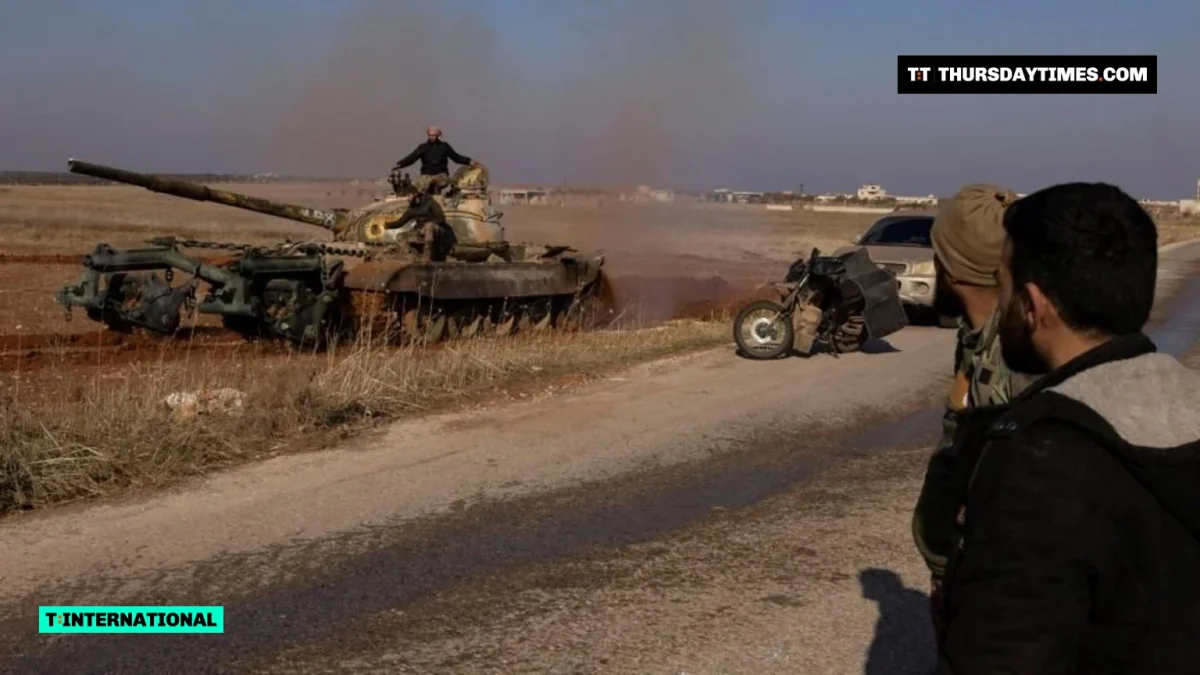
GENEVA (The Thursday Times) — Casualties from landmines and unexploded munitions reached a five-year high in 2025, with Myanmar and Syria driving the rise, according to the Landmine Monitor 2026 report published on Tuesday by the International Campaign to Ban Landmines.
The report recorded 6,929 casualties worldwide in 2025. Civilians made up about 84 percent of them.
Myanmar, where both the military government and armed groups use landmines, recorded 1,891 casualties, the highest of any country for the third year running. On average, five people are killed or wounded by landmines there every day.
“Myanmar has gone beyond crisis to catastrophe,” said Yeshua Moser-Puangsuwan, a co-author of the report. “There is now contamination at some level in almost two-thirds of the townships of the country.”
Syria’s returnees pay the price
Syria recorded 1,602 people killed or injured by landmines and explosive remnants of war in 2025, an increase of more than 50 percent on the previous year. The report links the rise partly to the large-scale return of refugees and displaced people after the fall of Bashar al-Assad in December 2024.
“When you look at population movement, a couple of months later you see an increase of incidents in these areas, because that’s exactly where people go and start to use the fields again,” said Katrin Atkins, research lead at Landmine Monitor.
The Halo Trust, the world’s largest landmine clearance charity, says more than 60 percent of the casualties it records involve farming, agriculture, or shepherding. “People are taking risks out of desperation,” said Simon Jackson, its Syria programme manager.
The UN Mine Action Service has recorded at least 1,556 incidents involving explosive ordnance in Syria since Assad fell on 8 December 2024. They have caused 2,701 casualties, with 935 people killed and 1,766 injured. Children account for 995 of the victims, about 37 percent. Experts estimate the true toll could be 25 to 50 percent higher because of under-reporting.
The danger has continued this month. An explosion in a school courtyard in Hasakah on 4 November killed a 12-year-old and injured 19 others. On Sunday, 11-year-old Alaa was killed while tending her family’s goats near their home in Umm Khuzaym, north-west Syria, and her brother Mahmoud, 10, was seriously injured. At least 20 people have been killed and more than 40 injured by explosive ordnance in Syria in November, according to reports.
The Syrian Ministry of Defence says its teams have found and dealt with more than 315,000 mines and unexploded munitions since the end of 2024. No nationwide survey has established how much land remains contaminated.
A treaty under strain
The report also points to pressure on the 1997 Mine Ban Treaty. Finland, Estonia, Latvia, Lithuania, and Poland, all bordering Russia, have pulled out, citing the security situation in their region. Ukraine has notified the United Nations that it is suspending implementation of the treaty, although the treaty does not provide for that.
Russia is not a party to the treaty and has made widespread use of mines in its invasion of Ukraine. The Monitor found that Ukraine has used them as well.
Lebanon, the Marshall Islands, and Tonga joined the treaty during the reporting period, bringing the number of states bound by it to 162. The campaign continues to urge more countries to join and end the stockpiling, production, and transfer of anti-personnel mines.