UNITED NATIONS (The Thursday Times) — Pakistan has called for decisions on the use of nuclear weapons to stay under human control and warned that artificial intelligence systems must never be used to target nuclear command, control, and communications systems.
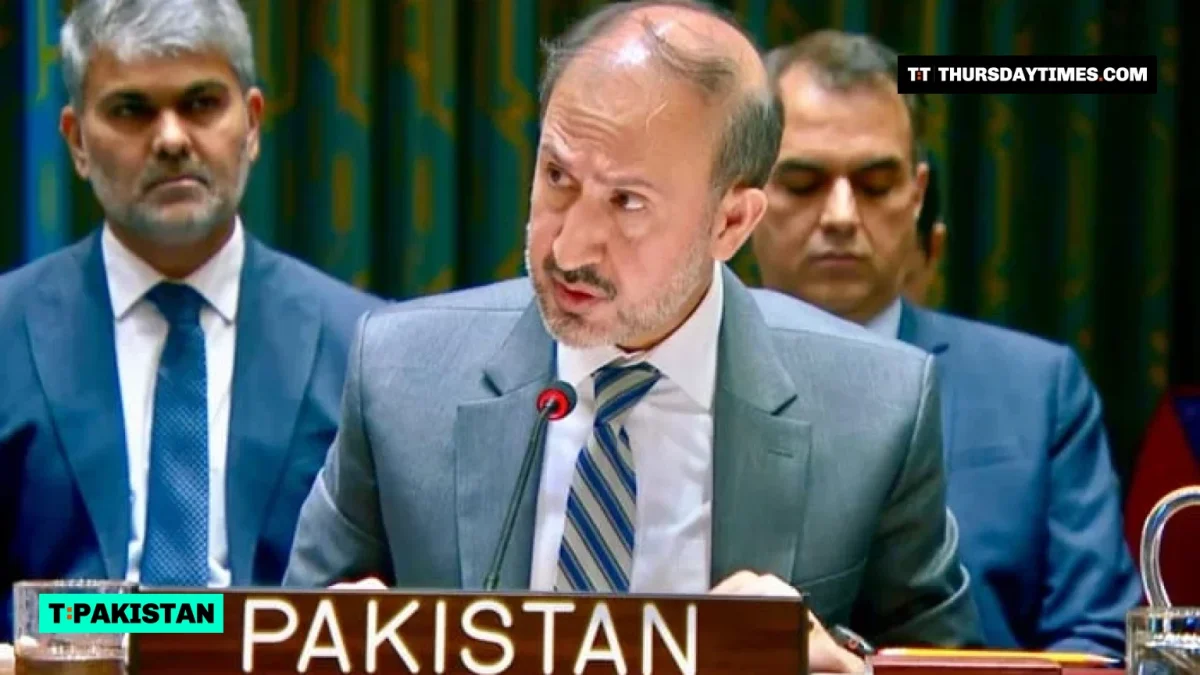
Ambassador Syed Haider Shah, Pakistan’s Permanent Representative to the United Nations, made the remarks on Wednesday at a high-level open debate of the UN Security Council on conflict resolution in an era of rapid technological change.
“This is most critical in the nuclear domain, where decisions on the use of nuclear weapons must remain under human control, and AI systems must never be used to target nuclear command, control and communications systems,” Shah said.
He said the rapid convergence of emerging technologies was adding unprecedented speed, scale, and complexity to international security challenges and could intensify the arms race. Technology itself was neutral, he said, and the first priority should be to keep human judgement and control at every stage of design, development, and integration.
Shah called for safeguards, regulations, and governance frameworks so that technological advances serve peace rather than become tools of geopolitical dominance. In the military domain, he urged restraint and confidence-building measures, including crisis communication and deconfliction, to reduce the risk of miscalculation and compressed decision-making, especially where nuclear weapons are concerned.
He also said the fragmented nature of emerging technologies called for layered governance, accountability measures, and, where appropriate, legally binding instruments. “Delaying regulation to secure advantage and domination will not work,” he told the council.
The envoy warned against allowing advanced technologies to become the monopoly of a few powerful countries. Measures introduced in the name of safety, he said, should not be used to deny other states access to technology and infrastructure, and developing countries retain an inalienable right to the peaceful use of technology.
Shah added that the UN Charter and international law apply in all situations, whatever the underlying technologies. He also pointed to the growing dangers of misinformation, disinformation, and cyberattacks on critical infrastructure by state and non-state actors.
Pakistan believes discussions on the implications of emerging technologies for arms control should take place in inclusive, representative multilateral forums under UN auspices, Shah said. He supported the council’s engagement with the subject but said it should focus on operational implications, including the implementation of mandates in peacekeeping, peacebuilding, and conflict resolution.
He said artificial intelligence and unmanned aerial vehicles could improve civilian protection and the safety of UN peacekeepers, and that their use by terrorists and other non-state actors could be addressed when council mandates are renewed.
The remarks carry particular weight in South Asia, where both Pakistan and India possess nuclear weapons.