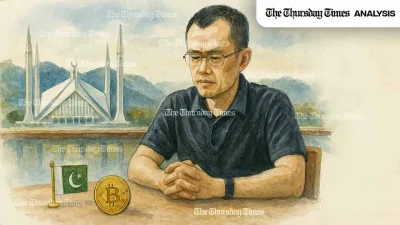
A year of pressure, progress, and practical statecraft
From Beijing to Washington, the Gulf to the UN, Islamabad ended the year with more credibility, capability, and room to manoeuvre than it began with.
Reports from The Thursday Times' in-house monitoring desk.
From Beijing to Washington, the Gulf to the UN, Islamabad ended the year with more credibility, capability, and room to manoeuvre than it began with.
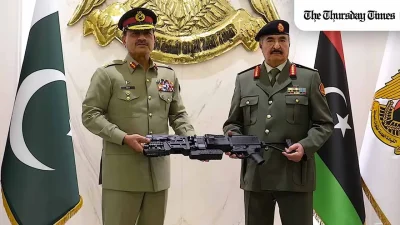
Pakistan is portraying a new Libya agreement as a major boost for defence exports and a wider trade revival strategy, linking it to military diplomacy and renewed international interest in Pakistani hardware.
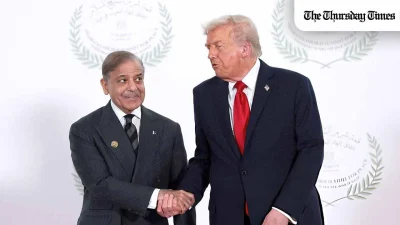
Pakistan says no finality exists on a reported US visit by Field Marshal Asim Munir and no decision has been taken on sending troops to Gaza, The Thursday Times confirms.
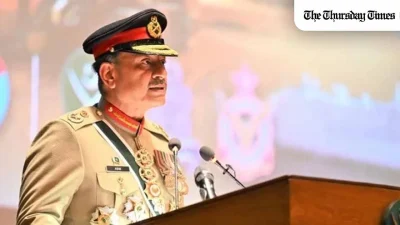
British defence journal claims four Indian Rafales were shot down in the May air clash with Pakistan and points to serial numbers it says match aircraft lost during the engagement.
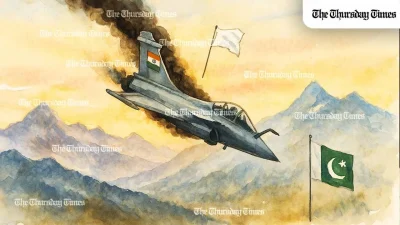
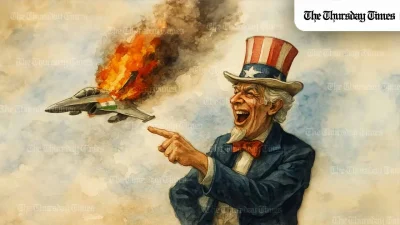
Pakistan did not just survive four days of high intensity conflict with India: it performed well enough that a United States report quietly called it a “military success.” For the first time in decades, India’s assumed conventional dominance met a Pakistan armed with modern systems, finding that punishment comes with real, unexpected costs.
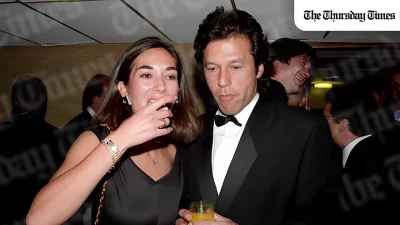
Disgraced American financier and convicted sex offender Jeffrey Epstein’s connection to Imran Khan was not criminal, but social and ideological: he knew the Goldsmith world, watched Imran’s rise, and turned him into a private obsession.
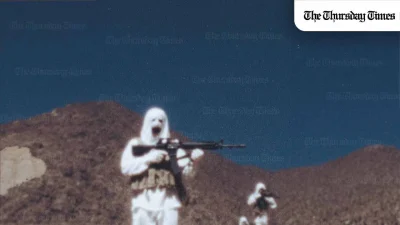
Kabul’s protection of TTP commanders is not a glitch in the system; it is the system, a living covenant that weighs more than any clause signed in Doha. The Taliban in Afghanistan are no longer guests or leverage to be casually traded away; they have hardened into a parallel sovereignty that Kabul cannot fully control.
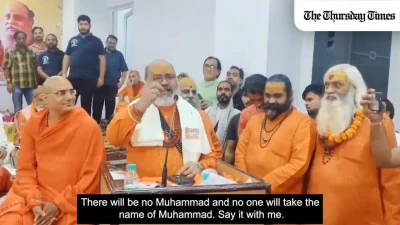
When a priest with his record can promise the erasure of the Prophet’s name and still function within the margins of acceptability, it is the Indian state’s commitment to secular democracy that is under forensic examination, not just his words.
Khyber Pakhtunkhwa’s political unrest under Sohail Afridi reveals a province caught between noise and neglect, as Pakistan’s federal resolve is tested by a populist movement that confuses chaos for courage and defiance for governance.