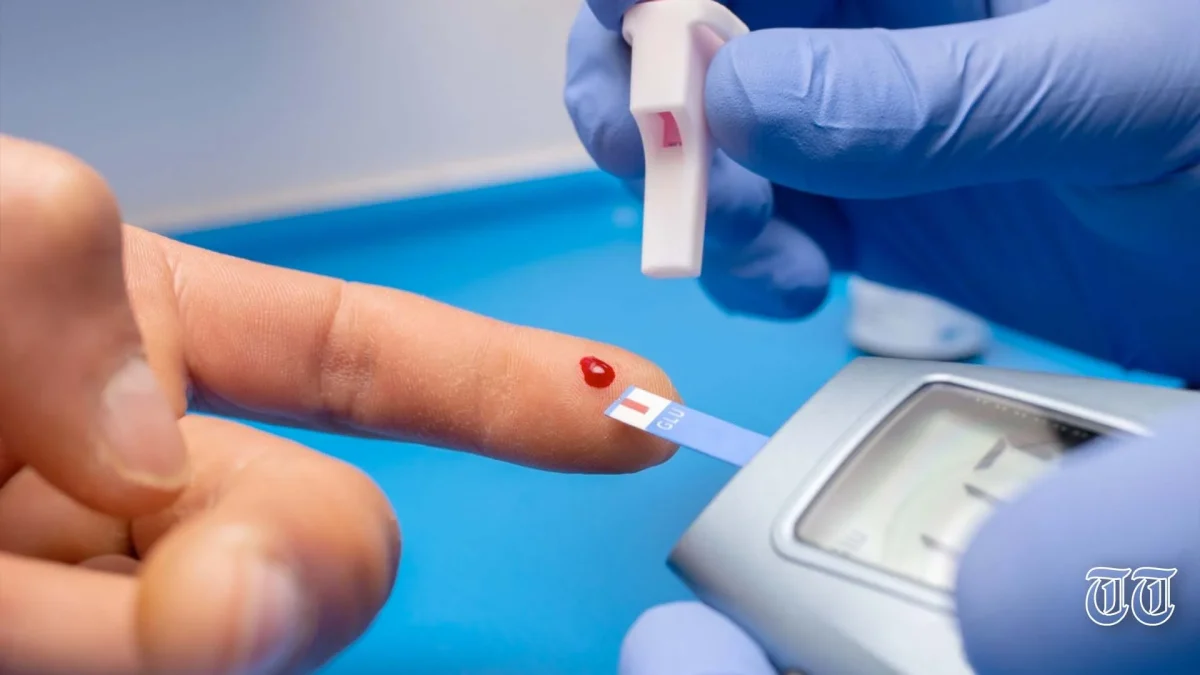
ذیابیطس ایک دائمی مرض ہے جو دنیا بھر میں کروڑوں لوگوں کو متاثر کرتا ہے۔ یہ ایسی کیفیت ہے جس میں جسم توانائی کے لیے گلوکوز (ایک قسم کی شکر) کو درست طور پر استعمال اور ذخیرہ کرنے کے قابل نہیں رہتا۔ اس سے خون میں شکر کی سطح بڑھ سکتی ہے، جس کے جسم پر، بشمول منہ اور دانتوں کی صحت، طرح طرح کے منفی اثرات مرتب ہو سکتے ہیں۔ یہاں ہم بتاتے ہیں کہ ذیابیطس آپ کے منہ اور دانتوں کی صحت پر کس طرح اثر انداز ہو سکتی ہے اور ان اثرات سے بچاؤ یا ان پر قابو پانے کے لیے آپ کیا کر سکتے ہیں۔
ذیابیطس ایک دائمی بیماری ہے جو دنیا بھر میں کروڑوں لوگوں کو متاثر کرتی ہے۔ یہ ایسی کیفیت ہے جس میں جسم توانائی کے لیے گلوکوز (ایک قسم کی شکر) کو درست طور پر استعمال اور ذخیرہ کرنے کے قابل نہیں رہتا۔ اس سے خون میں شکر کی سطح بڑھ سکتی ہے، جس کے جسم پر، بشمول منہ اور دانتوں کی صحت، طرح طرح کے منفی اثرات مرتب ہو سکتے ہیں۔ یہاں ہم بتاتے ہیں کہ ذیابیطس آپ کے منہ اور دانتوں کی صحت پر کس طرح اثر انداز ہو سکتی ہے اور ان اثرات سے بچاؤ یا ان پر قابو پانے کے لیے آپ کیا کر سکتے ہیں۔
ذیابیطس کے منہ اور دانتوں کی صحت پر اثر انداز ہونے کے سب سے نمایاں طریقوں میں سے ایک مسوڑھوں کی بیماری کے خطرے میں اضافہ ہے۔ ذیابیطس کے مریضوں میں مسوڑھوں کی بیماری، جسے پیریوڈونٹائٹس بھی کہا جاتا ہے، پیدا ہونے کا امکان زیادہ ہوتا ہے۔ یہ مسوڑھوں اور دانتوں کو سہارا دینے والی ہڈی کا انفیکشن ہے۔ اس کی وجہ یہ ہے کہ ذیابیطس خون کی نالیوں کو نقصان پہنچا سکتی ہے، جس سے خون کی گردش خراب ہو سکتی ہے، اور اس کے نتیجے میں جسم کے لیے انفیکشن کا مقابلہ کرنا مشکل ہو جاتا ہے۔ اس کے علاوہ، خون میں شکر کی بلند سطح ایسا ماحول فراہم کر سکتی ہے جس میں بیکٹیریا پنپتے ہیں، اور یہ بھی مسوڑھوں کی بیماری کا سبب بن سکتا ہے۔
Gum disease can cause a number of oral health problems, including red, swollen, and bleeding gums, receding gums, loose teeth, and even tooth loss. If left untreated, gum disease can also lead to other health problems, such as heart disease and stroke. Studies have shown that people with diabetes have a higher risk of developing gum disease than those without diabetes and that this risk increases as blood sugar levels become more uncontrolled. In fact, gum disease is the most common oral complication in people with diabetes and it is estimated that around one-third of people with diabetes have severe gum disease.
Another way that diabetes can affect oral health is by increasing the risk of oral fungal infections, such as thrush. Thrush is a yeast infection that occurs in the mouth and is caused by the overgrowth of a fungus called Candida. People with diabetes are more likely to develop thrush because high blood sugar levels can provide an environment where the fungus can thrive. Symptoms of thrush include white or red patches on the tongue, cheeks, or gums, soreness, and difficulty swallowing.
Diabetes can also affect the health of the tongue. People with diabetes are more likely to develop a condition called geographic tongue, which is characterized by red, raised areas on the tongue that can be sore or itchy. The exact cause of geographic tongue is not known, but it is thought to be related to changes in the immune system that occur in people with diabetes.
Diabetes can also affect the health of the salivary glands. People with diabetes are more likely to develop dry mouth, also known as xerostomia. A dry mouth is a condition in which the salivary glands do not produce enough saliva to keep the mouth moist. This can lead to a number of oral health problems, such as tooth decay, oral infections, and difficulty speaking or swallowing. Saliva has a crucial role in oral health, it helps to neutralize acid, wash away food particles and bacteria, and also contains enzymes and antibodies that can help fight infection. When there is a lack of saliva, the oral cavity becomes more susceptible to bacteria and infection, which can lead to tooth decay and gum disease.
To prevent or manage the effects of diabetes on oral health, it is important to manage blood sugar levels through diet, exercise, and medication as prescribed by your doctor. Additionally, it is important to practice good oral hygiene, including brushing and flossing regularly and visiting a dentist or dental hygienist for regular check-ups and cleanings.
In conclusion, diabetes can have a significant effect on oral health, including increasing the risk of gum disease, oral fungal infections, and dry mouth, it is important for individuals with diabetes to be extra mindful of their oral health and to take steps to prevent and manage any oral health problems that may arise. By working closely with a dentist or dental hygienist, people with diabetes can help keep their mouths healthy and avoid serious complications.
The contributor, Dr Mussab Tariq, is a dental surgeon at Islam Medical and Dental College, Sialkot.
He can be reached @Mussab_Tariq.