
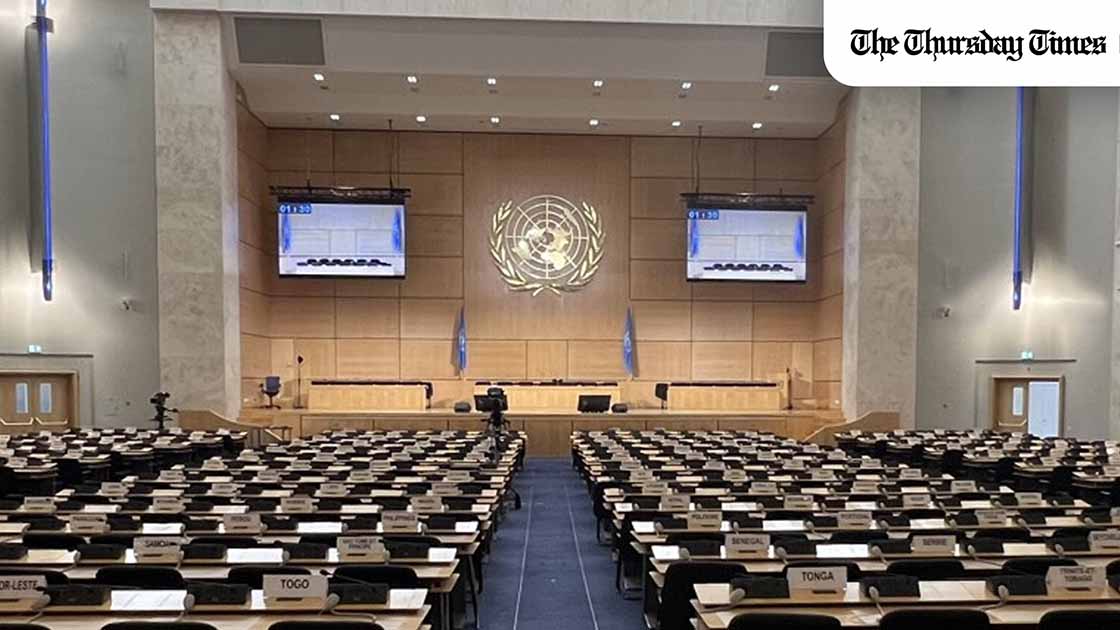
ISLAMABAD (The Thursday Times) — Pakistan has rejected allegations raised in a recent statement by the United Nations Human Rights Council, arguing that the claims reflect a politicised external narrative rather than verifiable facts and risk prejudging matters currently before the courts. Sources familiar with the government’s position said Pakistan remains a sovereign state with an independent judiciary and established oversight mechanisms, and that, in their view, no external body has the mandate to intervene in ongoing legal proceedings.
According to sources, detention conditions across Pakistan’s prison system are governed by domestic jail rules and aligned with the UN Standard Minimum Rules for the Treatment of Prisoners. Regular judicial inspections have consistently certified compliance, they said. The former prime minister at the centre of the allegations is subject to the same standards as all detainees, with no special or punitive treatment applied.
Claims that lawful security arrangements amount to torture were described by sources as misleading. Such measures, they said, are routinely applied to high-risk detainees and are designed to ensure safety, prevent self-harm, and guard against external interference, rather than to function as punishment.
Medical care has also featured prominently in the response. According to sources familiar with court filings, the detainee has been examined on multiple occasions by authorised medical specialists, who have assessed his condition as stable. Allegations of medical neglect, they said, contradict documented clinical assessments and records of access granted to doctors and legal representatives.
Sources further cautioned that public statements issued without verification risk interfering in domestic judicial affairs and undermining due process. International mandate holders, they added, are expected to rely on objective evidence and established engagement mechanisms rather than public advocacy that may deepen political polarisation.