TEHRAN (The Thursday Times) — Iran has publicly identified Pakistan as its only official intermediary with the United States, a notable diplomatic endorsement that places Islamabad at the centre of one of the world’s most delicate geopolitical disputes.
Iran recognizes Pakistan as sole official mediator in talks with the US:
Pakistan is currently the only official mediator in the diplomatic process between Tehran and Washington — Iranian Foreign Ministry spokesman Esmaeil Baqaei pic.twitter.com/FJlFanY94p
— The Thursday Times (@thursday_times) April 20, 2026
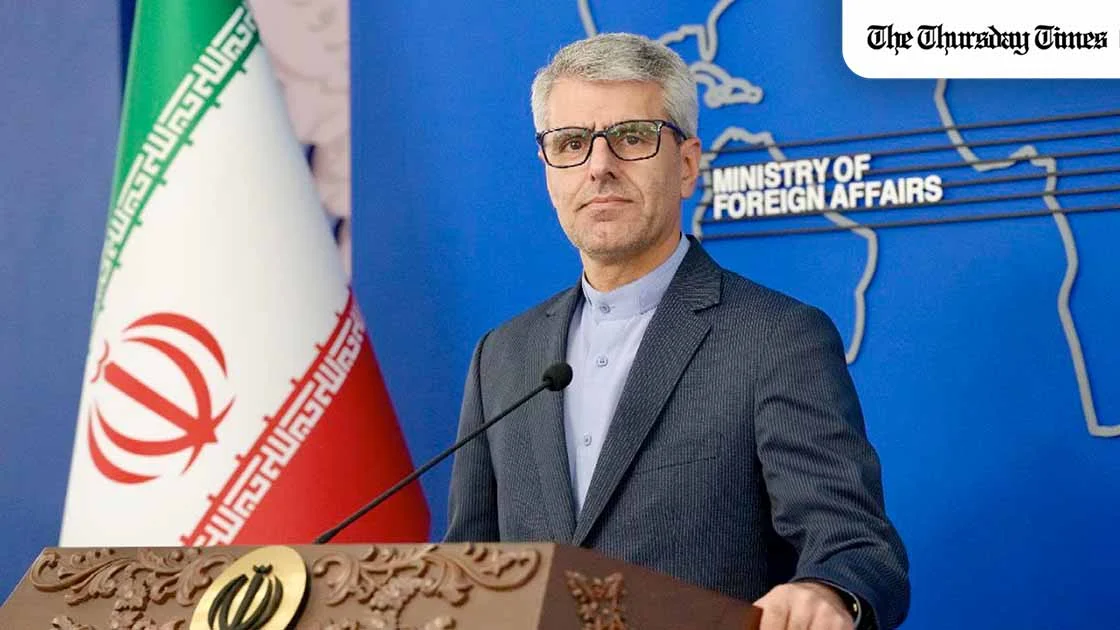
Speaking at his weekly press briefing, Iranian Foreign Ministry spokesman Esmaeil Baqaei said Pakistan is currently the sole formal mediator in the diplomatic process between Tehran and Washington. While other states remain in contact with Iran and continue consultations, Baqaei indicated that Pakistan alone holds recognised intermediary status in the present channel.
The statement is significant because diplomacy between Iran and the United States has historically relied on a rotating cast of discreet facilitators. Countries such as Oman, Qatar and various European governments have often hosted messages, relayed proposals or provided neutral venues during periods of heightened tension. By explicitly naming Pakistan as the only official mediator, Tehran appears to be signalling a clear preference for a single trusted route.
That route runs through Pakistan, a country whose geography and political relationships give it unusual leverage. Pakistan shares a border with Iran, maintains longstanding ties with the United States, and has deep relationships across the Gulf region as well as close strategic links with China. Few states can communicate credibly with so many competing power centres at once.
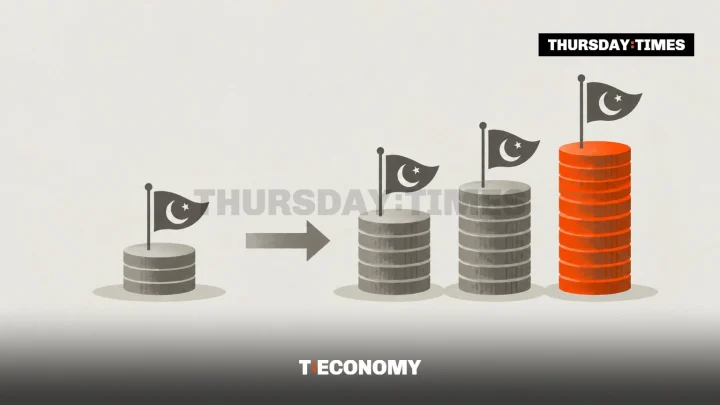
For Islamabad, the announcement amounts to more than diplomatic praise. It offers rare strategic relevance at a time when middle powers are increasingly valued for their ability to keep adversaries talking. Pakistan has often been viewed internationally through narrower lenses: security concerns, economic restructuring or domestic politics. Baqaei’s remarks instead place it in the role of negotiator, messenger and potential stabiliser.
The timing is also important. Regional tensions remain elevated, maritime security concerns persist, and mistrust between Tehran and Washington remains deep. In such circumstances, even the existence of a functioning communication channel can matter as much as the content of the talks themselves. When direct contact is politically difficult, trusted intermediaries become indispensable.
Pakistan’s involvement may also reflect a practical calculation from Tehran. A mediator with regional proximity, military credibility and working ties across rival blocs may be seen as better positioned to carry sensitive messages than states viewed as too close to one side or too distant from the realities on the ground.
Yet mediation also carries risk. If talks collapse, pressure intensifies or either side believes messages are being distorted, the intermediary can quickly become exposed. Diplomatic prestige and diplomatic liability often arrive together. Pakistan’s new prominence therefore comes with expectations as well as opportunity.
Still, Baqaei’s language was unambiguous. Pakistan was not described as one participant among many, nor as an occasional facilitator. It was identified as the only official mediator between Tehran and Washington. In diplomatic language, that distinction matters. It implies recognition, trust and utility at a particularly volatile moment.
Whether the channel produces fresh negotiations, a temporary cooling of tensions or simply prevents further escalation remains uncertain. What is clear is that Iran has now publicly placed Pakistan at the centre of its formal contact with the United States.∎