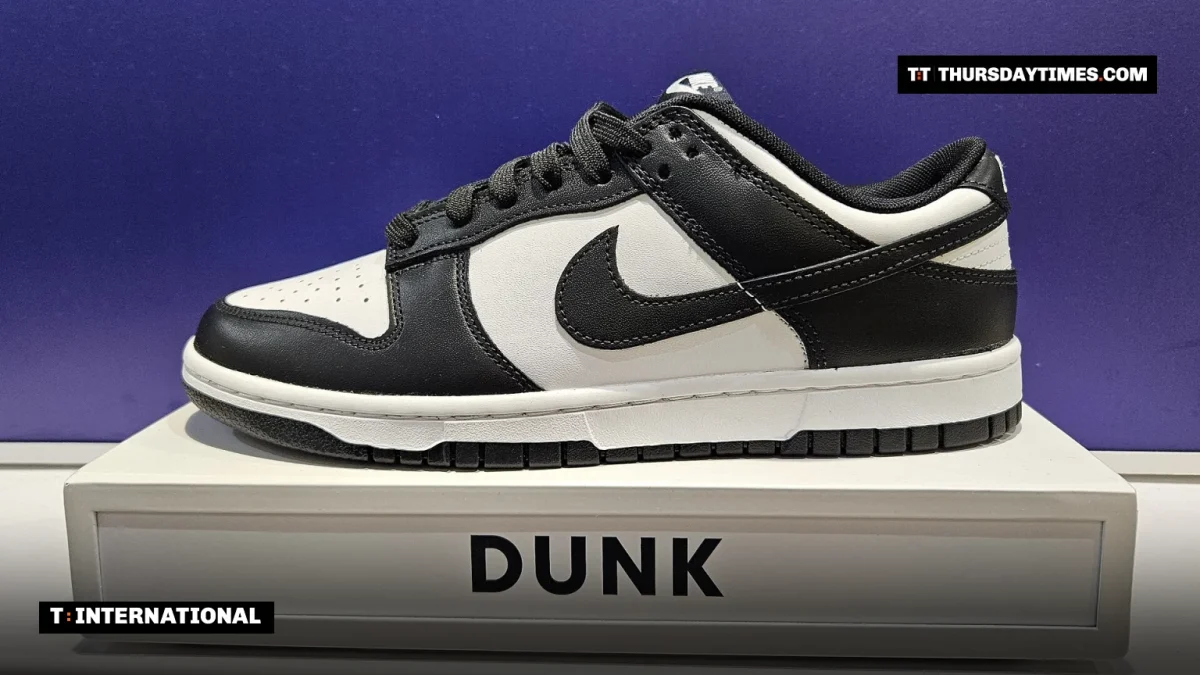
TRIPOLI (The Thursday Times) — Libya’s highest religious authority has issued a fatwa telling Muslims not to buy, sell or wear clothing with the Nike logo, arguing that the brand is named after a Greek goddess.
The ruling from the Dar al-Ifta in Tripoli says the US sportswear company took its name from Nike, the goddess of victory, and that its swoosh was inspired by her wings. Wearing the logo, it argues, amounts to promoting symbols linked to polytheism, the worship of more than one god.
The ruling was approved by the country’s Grand Mufti, Sadiq al-Gharyani. It also accuses Nike of supporting Israel and repeats the institution’s call, first made in November 2023 during the Gaza war, to boycott Western companies it considers supportive of Israel.
A fatwa is a religious opinion, not a law. This one does not announce a state ban on Nike products or set out any penalty for people who keep buying or wearing them, though the rulings of the Dar al-Ifta can carry real social weight.
Libya remains split between rival authorities in the east and west, and the institution is based in the west of the country. Nike has no official store in Libya, but its products, along with counterfeits, are sold by local retailers and in markets.
It is not the first ruling of its kind. Last year the same institution ruled against jewellery and watches with the logo of the French luxury house Van Cleef & Arpels, saying its four-leaf clover was tied to Christian beliefs and the pursuit of good luck.
Reaction on social media has been mixed, with some users welcoming the fatwa and others calling it a distraction from bigger problems. The goddess herself has local roots: a statue of her stands among the remains of Cyrene, the ancient Greek city in eastern Libya.