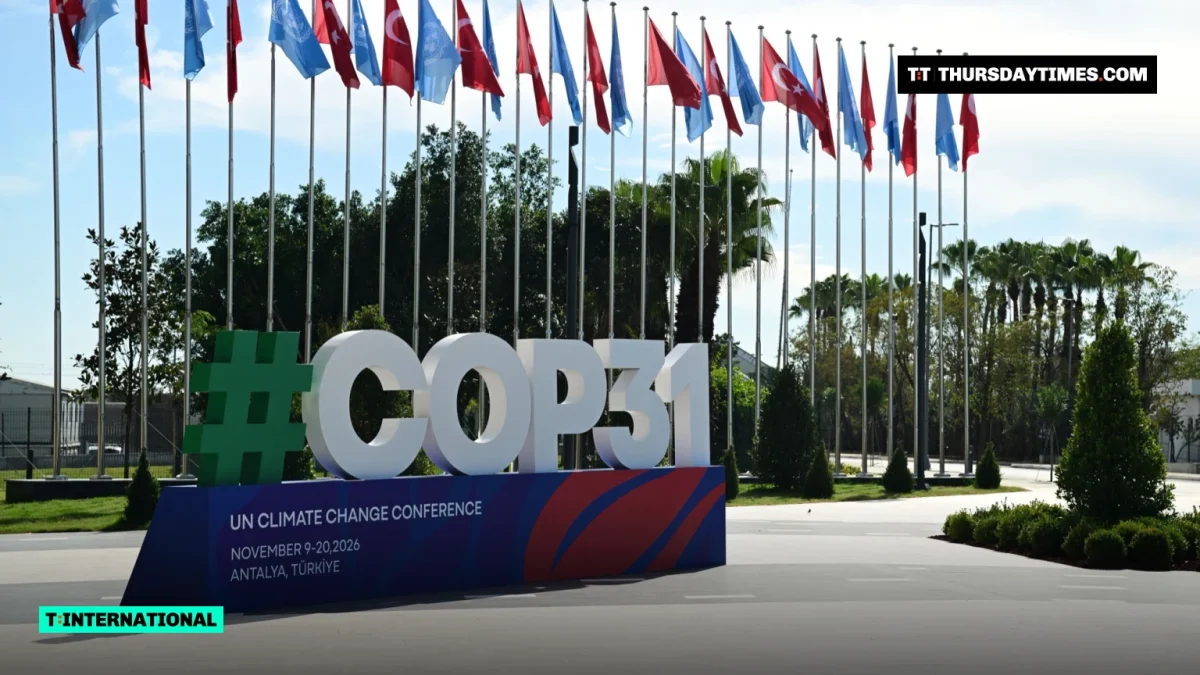
ANTALYA (The Thursday Times) — The transition away from fossil fuels is back on the list of issues that could feature in a final political agreement at the COP31 climate talks, after the conference’s presidencies published a summary of the proposals countries have made so far.
The “summary of reflections”, released on Friday as the two-week conference in Antalya neared its midpoint, sets out ideas raised in consultations on a possible “cover decision”, a broad political text that would need the consensus of every country taking part. It does not say which countries made which proposals, and the presidency stressed that it is “not intended to reflect consensus, nor the strength or prevalence of views expressed”.
Australia is steering the negotiations alongside Türkiye, the host.
What is on the list
Among the items is the “transition away from fossil fuels in energy systems”, wording agreed after hard bargaining at COP28 in Dubai in 2023 but missing from the final decisions at COP29 in Baku and COP30 in Belém, where oil-producing countries were accused of resisting it.
The list also includes a call to triple adaptation finance, the money that helps developing countries prepare for floods, droughts, and heat; efforts to limit the “magnitude and duration” of warming beyond 1.5C, a threshold the world is expected to pass; and a target of raising electricity’s share of final energy use to 35% by 2035. It also floats welcoming roadmaps on moving away from fossil fuels and on halting deforestation.
Countries are split over climate science, too. Some want the next major assessment by the UN’s Intergovernmental Panel on Climate Change to be ready for a key review of global progress in 2028, while Saudi Arabia, India, and China have argued for 2029, saying more time is needed to include research and data from developing countries.
A fight over whether to have a deal at all
Some large emerging economies have questioned whether there should be a cover decision at all, arguing that it has been pushed by the Turkish and Australian presidencies rather than by countries. Russia and the Arab Group are among those who say there is no mandate for such an overarching agreement.
The European Union has warned that there is little political appetite for new funding pledges in Antalya, which makes the adaptation finance proposal one of the hardest to land.
“There’s all kinds of signals being sent here about what could be in the cover decision,” said Alden Meyer of the climate think tank E3G. “The big question is what can survive that test of opposition by different groups of countries.”
A first draft could be published on Monday. The conference is due to end on November 20, though UN climate talks often run past their deadlines.
Why it matters for Pakistan
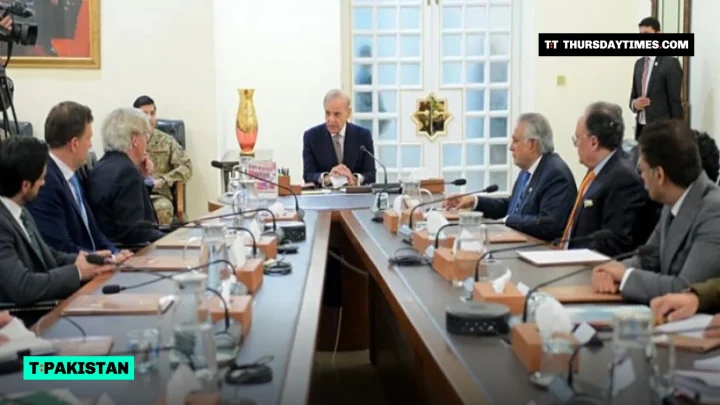
The adaptation money in particular matters to countries such as Pakistan, among the most exposed to floods and heat. Prime Minister Shehbaz Sharif told the summit this week that Pakistan needs $138 billion for clean power by 2035, and called for climate finance to come as grants rather than loans.
The talks have also been overshadowed by reports that China has ruled out hosting COP33 in 2028, the year of that key review, while Britain, Norway, and Canada this week launched a $10 billion climate finance push for emerging markets.