BAGHDAD (The Thursday Times) — Iraq’s Council of Ministers has postponed a vote on the draft 2027 federal budget, the largest spending plan in the country’s history, which would raise money through new taxes on internet services, foreign travel, restaurants, and private clinics as the government tries to narrow a deficit of about 43 trillion dinars.
An extraordinary cabinet session that had been called for Saturday to approve the draft was put off without a new date, a source in the council said. The source said a joint committee of officials from Baghdad and Erbil had not finished rewriting the bill’s clauses, and that technical talks on the Kurdistan Region’s share of the budget had still not produced a final agreement.
The draft, published on October 6, projects public spending of about 217 trillion dinars against non-oil revenue of about 29.5 trillion dinars. Oil sales, which pay for most state salaries and services, would again have to cover the rest. At the official exchange rate, the deficit is worth roughly $28 billion.
Taxes on the internet and travel
To raise non-oil income, the bill proposes a 7% sales tax on telecommunications and internet services, a 25,000-dinar fee on every foreign travel ticket, and new charges at airports and border crossings. Restaurants, hotels, private medical services, digital advertising, and some other commercial activities would also be taxed.
Jamal Kocher, a member of parliament’s finance committee, said the state should collect more of the customs and tax revenue it is already owed instead of loading new costs onto citizens as living costs rise. Some of that money never reaches the treasury because of corruption and weak oversight, he said.
Traders have objected too. Rashid Saadi, spokesman for the Baghdad Chamber of Commerce, said importers already pay a 3% tax deposit before they receive their goods, and customs duties of up to 30% or 40% on some items. Wider fees could push merchants to raise prices or cut imports, hurting small and medium-sized businesses, he said.
Economist Salah al-Obeidi said the non-oil target was close to double the 2025 figure and unlikely to be met through new taxes alone, because higher charges on travel, communications, and services could cut demand and limit the money raised.
A weaker dinar
The budget fight comes five weeks after Baghdad devalued the dinar to pay salaries and cover a revenue shortfall, as the war in the region disrupted the oil exports that fund the state. On October 7, the government raised the official rate to 1,520 dinars per dollar from 1,320, making the dollar about 15% more expensive. Iraq has since been trucking crude across the desert to Syria’s Baniyas port while shipping through the Strait of Hormuz stays disrupted.
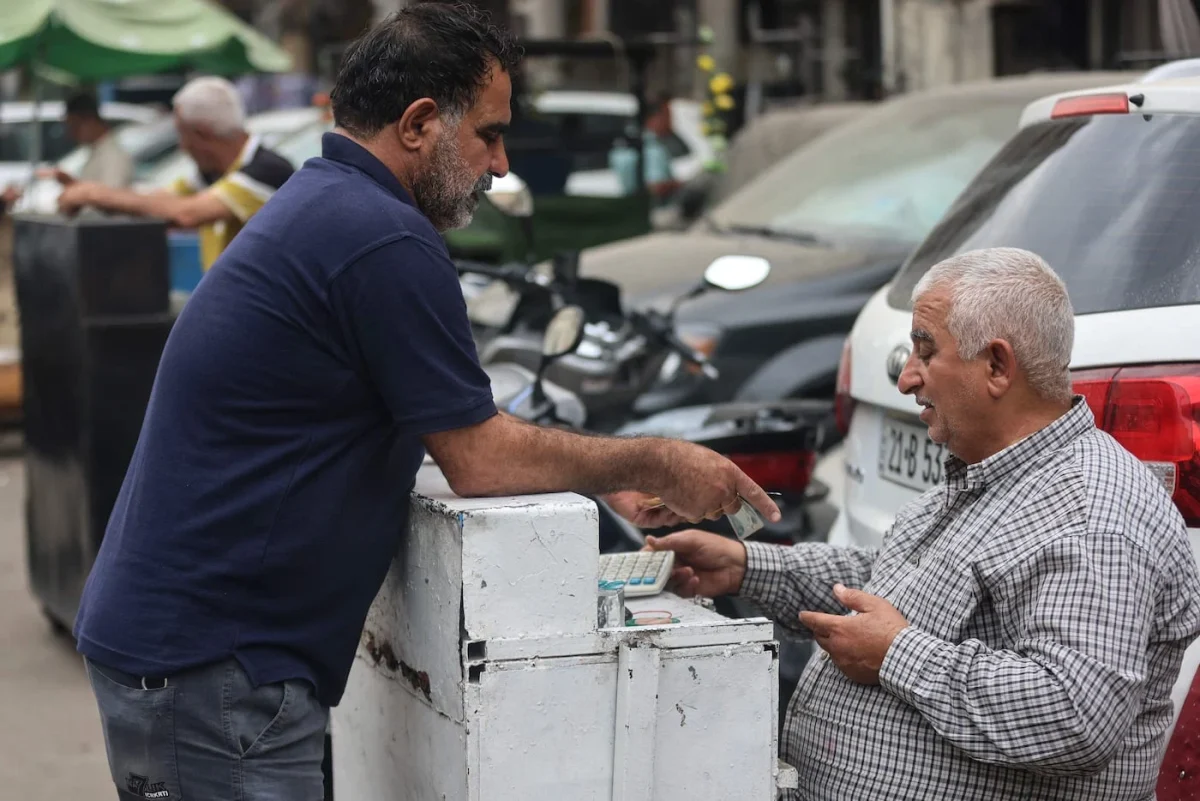
The street market has stayed well above the official rate. Exchange shops in Baghdad were selling dollars at 169,750 dinars per $100 on Saturday morning, according to a survey of the capital’s currency markets, against the official 152,000.
The Central Bank of Iraq said on Thursday that it was still funding import payments approved before the devaluation, and told traders whose transfers had not reached suppliers abroad to check with their banks or file a complaint on its online platform.
The delay leaves ministries, provinces, and the Kurdistan Region without an approved spending plan for 2027 less than seven weeks before the year begins.