TOKYO (The Thursday Times) — Japan is considering setting its total defence spending for the next five years at around 60 trillion yen ($376 billion), well short of what its Defence Ministry says it needs, as the government revises its key national security documents, people familiar with the discussions said.
The Defence Ministry estimates it will need 70 trillion to 80 trillion yen for the five years from fiscal 2027 to fiscal 2031, while the Finance Ministry is pressing to keep the total below 60 trillion yen, the people said on Friday. The current programme, which covers fiscal 2023 to 2027, allocated 43 trillion yen.
A senior Finance Ministry official called the higher estimate “an astronomical figure” and “out of the question”. A senior official in the prime minister’s office pushed back, saying that, “given fluctuations in exchange rates over the past few years”, a cap below 60 trillion yen “would amount to an effective spending cut and would be difficult to justify to the international community”. Defence specialists in the governing Liberal Democratic Party have also called the Finance Ministry’s proposal unacceptable.
Drones, missiles, and staying power
The new Defence Buildup Program, one of three security documents under revision, is expected to focus on new forms of warfare such as artificial intelligence and drones, and on “denial capabilities” meant to stop an adversary from reaching its objectives. It is expected to include large purchases of drones and missiles, and steps to improve Japan’s ability to sustain military operations.
Earlier this month, people familiar with the planning said the government and its coalition partner were considering 70 trillion to 80 trillion yen, nearly double the current plan, and that a weaker yen had pushed up the cost of buying equipment.
Who pays
How to fund any increase is the harder question. Prime Minister Sanae Takaichi is reluctant to raise taxes while she pursues a cut in the consumption tax on food, people close to her say, and business groups oppose higher corporate taxes. “We must raise taxes and issue additional government bonds if necessary,” a senior government official said.
The administration of US President Donald Trump has urged allies to raise defence spending to 3.5% of GDP. Japan’s GDP is expected to reach about 690 trillion yen this fiscal year, up from about 560 trillion yen in fiscal 2022, the base year for the current plan. A five-year total below 60 trillion yen would mean 10 trillion to 12 trillion yen a year, short of even 2% of GDP.
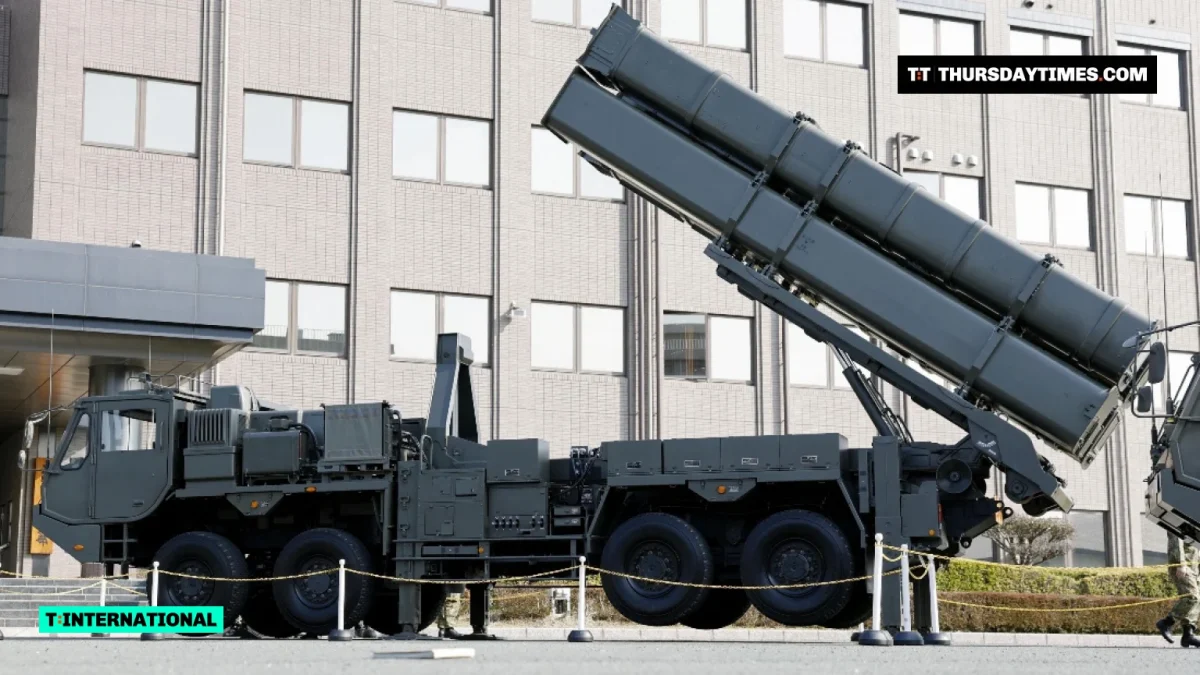
Under its current security documents, Japan aims to lift defence and related spending to 2% of GDP by fiscal 2027, paid for through spending reforms and higher corporate, income, and tobacco taxes. In March it deployed its first long-range missiles, upgraded Type-12 land-to-ship missiles with a range of about 1,000 kilometres.
Takaichi is due to attend a summit of the Asia Zero Emission Community on Tuesday, as Tokyo also prepares to help ASEAN countries build joint oil reserves.