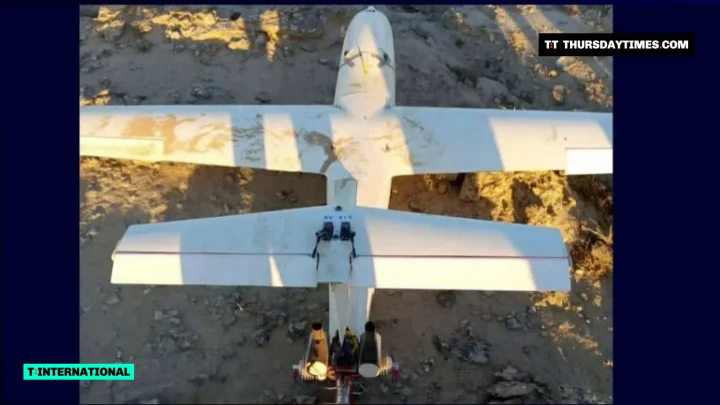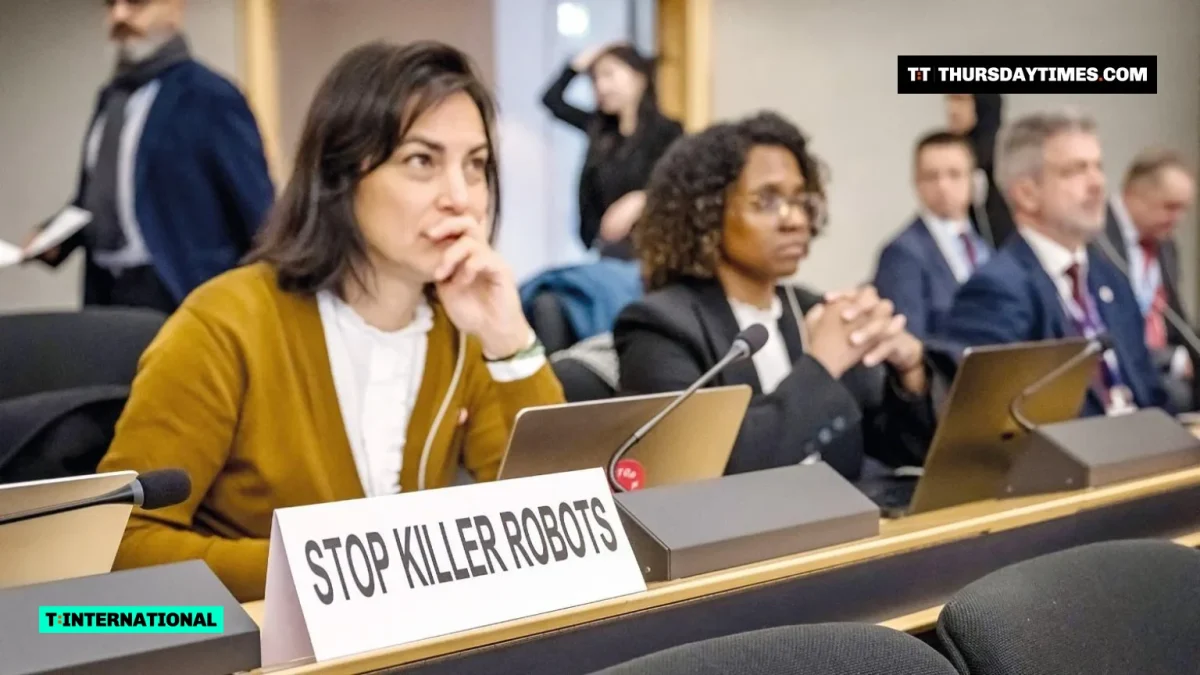
GENEVA (The Thursday Times) — UN Secretary-General António Guterres on Monday urged countries to move towards negotiating a legally binding treaty on lethal autonomous weapons systems, often called “killer robots”, as talks opened in Geneva.
In a video message to delegates from more than 120 states at the seventh review conference of the Convention on Certain Conventional Weapons, Guterres said the nature of warfare is changing and called for “clear prohibitions and restrictions”. “Take action to prevent the use and spread of these merciless weapons,” he said.
The conference, which brings together 128 states parties to the convention, is expected to consider whether to open negotiations. There is currently no agreement on whether any new instrument should be legally binding, or on a timeframe.
UN human rights chief Volker Türk made a similar appeal on Friday. “A machine must never have the power to decide whether a human being survives or dies,” he said, calling for bans on autonomous weapons that target people and on systems whose effects cannot be fully understood, predicted, explained, and controlled by human users.
Armies are turning to artificial intelligence to find and strike targets faster and more accurately. Laurent Gisel of the International Committee of the Red Cross said the need for rules has taken on new urgency. Countries that already have the technology are reluctant to accept limits: when the UN General Assembly voted last month on a resolution calling for negotiations, 163 states backed it and five, including the United States, Russia, and Israel, voted against.