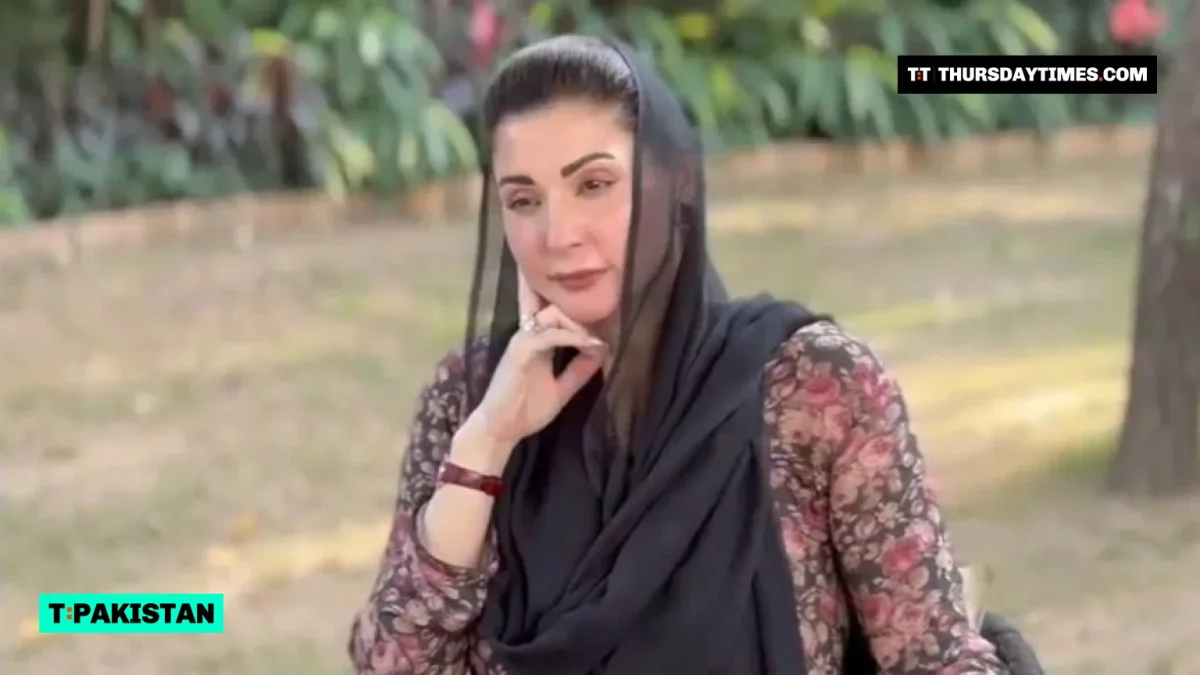
LAHORE (The Thursday Times) — The Punjab government has published a draft Punjab Panchayat Act 2026 that would give legal form to community panchayats for settling local disputes, and has invited public suggestions until 15 December. Punjab Advocate General Zafarullah Khan said Chief Minister Maryam Nawaz has approved the draft.
What the draft proposes
Under the draft, a panchayat would try to resolve a dispute within 15 days. Retired judges, retired military officers, retired government officers, and lawyers could be appointed as panchayat members, as could teachers, professors, scholars, and mosque imams. The deputy commissioner would appoint, supervise, and dismiss them, for a three-year term that can be renewed on satisfactory performance. Members would serve without pay and take an oath before assuming office.
Panchayats could take up civil, family, domestic, and neighbour disputes, including disagreements over property, land boundaries, possession, roads, and irrigation, as well as business and financial matters. They could act only with the consent of all parties.
Limits and safeguards
Rape, sexual violence, harassment, and crimes committed in the name of honour would fall outside a panchayat’s jurisdiction. The draft also proposes banning the giving of women in marriage under customs such as Vani, Swara, and Badla Sulh. Cases of underage or forced marriage, the legal status of a marriage, annulment, and child custody would be excluded, as would disputes over government land, abandoned property, and endowment property. A panchayat could not decide against a woman’s property rights.
Panchayats would have no judicial powers and would be limited to mediation. Cases already being tried in court could not be handed to them, though a court could refer a dispute for mediation. Any agreement would have to be in writing, with signatures or thumbprints of the parties, and could be converted into a court decree, which the court would decide within 30 days. A court would reject an agreement obtained through fraud, coercion, or misrepresentation. Panchayat members could be suspended or dismissed for corruption, bribery, or misuse of powers, and the draft says proceedings would be kept on record and the parties’ statements kept confidential.
At a recent meeting in Lahore, Maryam Nawaz said the Punjab government was introducing the law to revive the centuries-old tradition of community mediation within a proper legal framework and make people partners in the justice system. The draft says the Act would come into force at once and apply across the province.